
Photos & Videos
363 media items in Truth and Reconciliation Commission - Peru
Tag
sendero luminoso
×

Shining Path: Initiator and main party responsible for the violence. Part 2

Shining Path
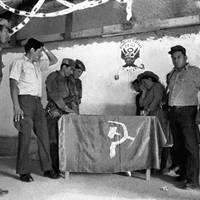
SHINING PATH KILLS AN AUTHORITY IN VISTA ALEGRE
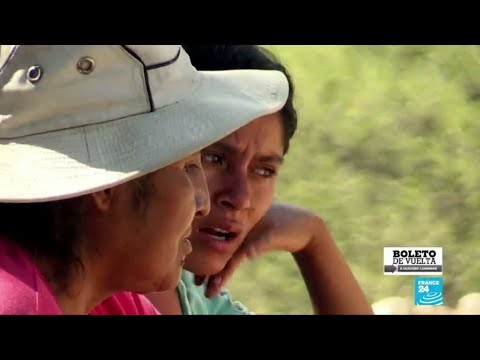
Peru: what remains of the Shining Path guerrilla?

Operation Victoria - Documentary
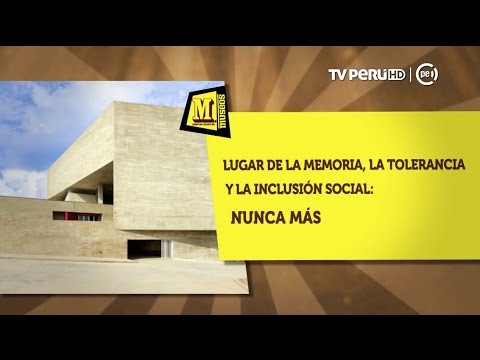
Place of memory, tolerance and social inclusion
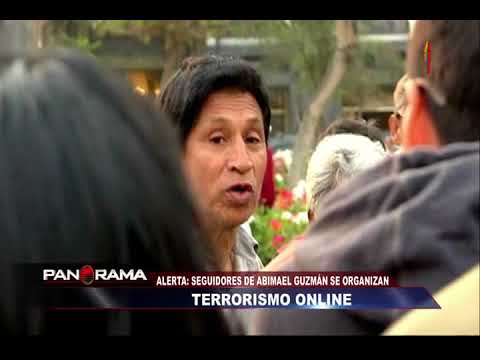
Online Terrorism: followers of Abimael Guzmán spread terrorist discourse
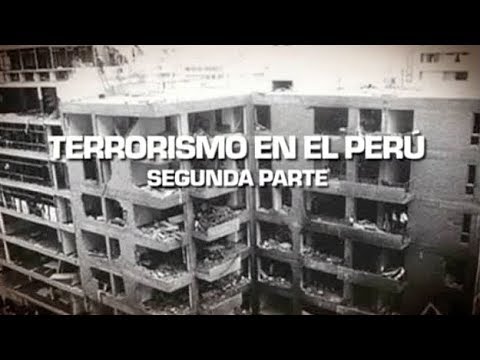
Terrorism in Peru - Part II
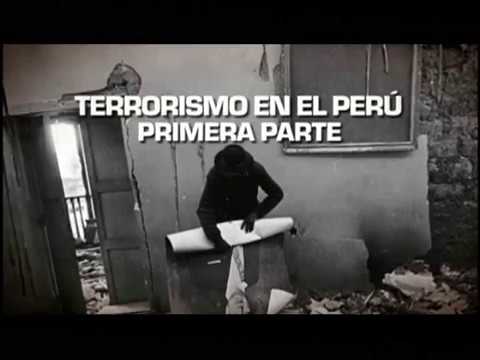
Terrorism in Peru - Part I

Abimael and the birth of Shining Path

Island - Documentary

"Cabanino: the death express". Documentary.
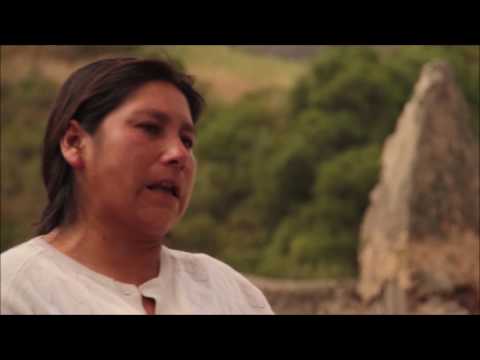
Testimony of Juana Bustos Huamaní
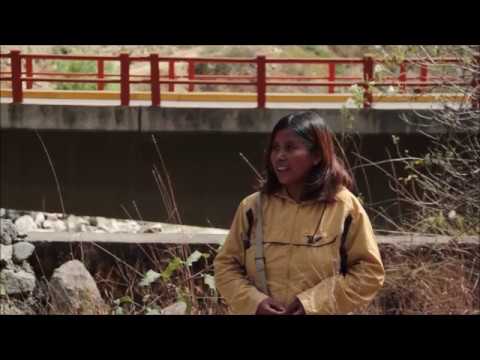
Testimony of Yasmina Fuentes Tello
Testimony of Víctor Sánchez Marca
Testimony of Simeón Alarcón Santi
Testimony of Eugenia Quispe Sánchez
Testimony of Cecilia Barrios Alarcón
Testimony of Evaristo Contreras Huamán
Testimony of Faustina Huamán Junco
Testimony of Eugenia Altamirano Huamán
Testimony of Igidia Arullca Oscco
Testimony of Toribia Casa Carrasco
Testimony of Ramiro Niño de Guzmán
Lirio Qasa - Song
Jaynapuncha Pajarin (Yesterday and tomorrow)
Mamakuna (Mamá Cirila) - Documentary
Achka Illaki kallpanchawaraku (So much pain gave us strength and courage) - Documentary
Warmicha (Women) - Documentary
Willakusqaykichik kunan (I want to tell you something) - Documentary

Martyrs of Uchuraccay. Fragment of the documentary "Traces of the path"
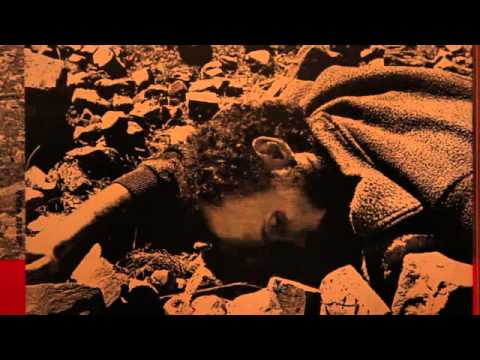
Why did terrorism begin in Peru?
Paths - Documentary
Manzana lote - Documentary
War photographers. Report.

The capture of the century - 20 years later. Journalistic report.
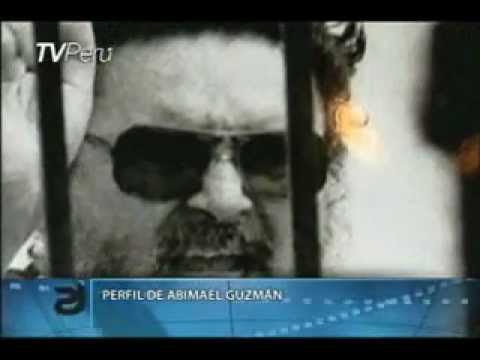
Shining Path: The terror that a Peruvian must not forget. Report

The secret life of Abimael Guzmán - Second part

The secret life of Abimael Guzmán - First part
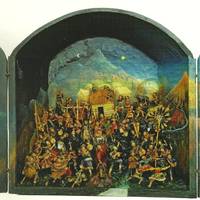 2012
2012
RETABLO. ANDEAN FESTIVALS
 2012
2012
RETABLO. LUCÍA (DETAIL)
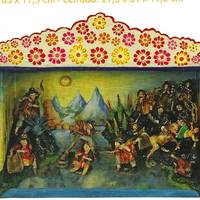 2012
2012
RETABLO. PASÑACHA
 2012
2012
RETABLO. DETAIL OF MY MEMORIES
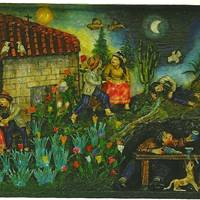 2012
2012
RETABLO. MY MEMORIES
 2012
2012
RETABLO. HORNS AND CLAWS
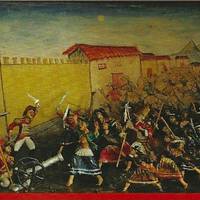 2012
2012
RETABLO, VENTURA CCALAMAQUI
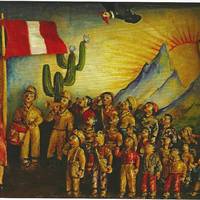 2012
2012
RETABLO. START OF SCHOOL YEAR
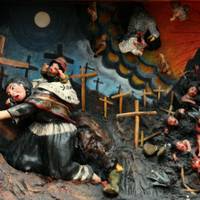 2012
2012
RETABLO. WOMAN IN THE CEMETERY
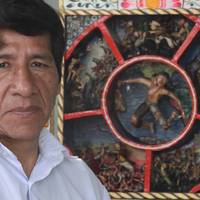 2012
2012
RETABLO. PHOTOGRAPH BY EDILBERTO JIMÉNEZ
Showing 1–50 of 363 items
Timeline Events 50
-
Barrientos Family Home Invasion
On March 24, 2003, the Barrientos family home was violently invaded by a group of armed individuals with military-like demeanor. The attackers, some of whom were identified as linked to Sendero Luminoso, brutally interrogated and assaulted family members, demanding information about Edwin Barrientos Velásquez. The attackers left after vandalizing the …
-
Discrimination Against Widows and Orphans in Post-Conflict Communities
In October 2002, reports from Huamanga, Peru, highlighted the discrimination faced by widows and orphans in repopulated communities. These vulnerable groups, often led by women, were marginalized due to their inability to pay for labor to work their land, a situation exacerbated by the loss of their husbands during the …
-
Violence and Reconciliation Efforts in Ayacucho
In October 2002, discussions and workshops were held in Huamanga, Ayacucho, focusing on reconciliation and the impact of violence in the region. Participants, including victims' families and community members, expressed the need for dialogue with former members of the Sendero Luminoso (Shining Path) to foster peace. These efforts were part …
-
Narcotrafficking and Military Involvement in Uchiza
In Uchiza, during the early 2000s, the narcotrafficking industry was reported to have financed military activities. The military allegedly commandeered vehicles without compensation and were involved in various abuses. Additionally, both the military and the Sendero Luminoso were implicated in violent acts against civilians, with the latter known for leaving …
-
Sendero Luminoso's Influence in Raucana
The text describes the organizational structure and influence of the Sendero Luminoso (Shining Path) in Raucana. It highlights the centralized and vertical nature of decision-making within the community, with directives often coming from a clandestine central committee. Despite this, there were varying degrees of autonomy and involvement among local leaders, …
-
Sendero Luminoso's Influence and Resistance in Huaycán
In Huaycán, Sendero Luminoso attempted to exert influence through intimidation and armed presence at local events. Despite their efforts, the local leadership, aligned with IU, resisted their tactics and maintained a focus on community development and democratic processes. The failure of Sendero Luminoso to adapt to local needs and their …
-
Sendero Luminoso's Control and Expropriation in Huancasancos
During the period of violence in Peru, the Shining Path (PCP-SL) exerted control over local communities in Huancasancos, expropriating livestock and restricting access to farmland. The group replaced traditional authorities with younger locals, leading to internal conflicts and dissatisfaction among the population. The Shining Path's actions, including expropriations and unequal …
-
Sendero Luminoso's Coercion of Local Patrols
During the early 2000s, the Shining Path (Sendero Luminoso) began coercing local villagers in Accomarca, Peru, to join their patrols. These patrols were poorly armed, often with homemade bombs and knives, and faced harsh conditions such as cold and hunger. The Shining Path used fear tactics, threatening villagers with violence …
-
Human Rights Abuses in Peru
In 2002, numerous testimonies were collected from individuals in Peru who experienced severe human rights abuses. These accounts describe a pervasive climate of fear, with threats of violence, torture, and murder by groups such as Sendero Luminoso (Shining Path). Many people were forced to abandon their homes and live in …
-
Human Rights Violations by Sendero Luminoso
The text discusses the psychological and economic impact on families affected by the violence perpetrated by Sendero Luminoso in Peru. Testimonies from various regions, including Lima, Junín, Huánuco, and Ayacucho, highlight the ongoing sense of injustice and impunity felt by victims' families. The lack of a fair judicial system exacerbates …
-
Sendero Luminoso's Use of Popular Schools for Indoctrination
During the early 2000s, Sendero Luminoso, also known as the Shining Path, utilized 'popular schools' to indoctrinate young, intelligent leaders in Vilcashuamán, Peru. These schools focused on guerrilla warfare strategies and organizing local communities by neighborhoods. Attendance was mandatory for those committed, and those who did not participate were marked, …
-
Persecution of the Asháninka by Sendero Luminoso
During the internal conflict in Peru, the Asháninka people faced severe persecution from the militant group Sendero Luminoso (Shining Path). The group viewed the Asháninka as obstacles to their revolutionary goals, leading to acts of violence and attempts to erase their cultural identity. The Asháninka were subjected to forced displacement, …
-
Ongoing Fear and Insecurity in Peru Post-Sendero Luminoso Conflict
In 2002, testimonies from various regions in Peru, including Tingo María and Lima, highlighted the ongoing fear and insecurity among communities due to the remnants of the Sendero Luminoso (Shining Path) insurgency. Despite the official end of the conflict, many locals, including indigenous groups like the Asháninkas, continued to face …
-
Collapse of Local Authority in Ayacucho
In 2002, local authorities in Ayacucho, Peru, faced a crisis as many resigned due to threats and fear of violence. This left communities without leadership, resulting in insecurity, confusion, and social isolation. The absence of authority was particularly felt in the aftermath of the violence associated with the Sendero Luminoso …
-
Capture of Sendero Luminoso Leader Feliciano
The capture of the Sendero Luminoso leader known as Feliciano highlighted the severe human rights abuses committed by the group. Feliciano was detained with several women who had been kidnapped as children and forced into sexual slavery as 'security' for the group's leaders. This event underscored the systematic exploitation and …
-
Impact of Sendero Luminoso on Rural Development and Education
The presence of Sendero Luminoso in rural areas like Tarma severely disrupted local development and education. The guerrilla group's activities led to a decline in construction and forced many residents to flee to safer areas. Schools, once seen as vital for social mobility, became dangerous as they were infiltrated by …
-
Role of the Evangelical Church in Peru during the Conflict with Sendero Luminoso
During the early 2000s, the Evangelical Church in Peru played a significant role in supporting rural communities amidst the conflict with Sendero Luminoso (Shining Path). The church provided spiritual guidance and a sense of justice, encouraging forgiveness and conversion among those affected by the violence. This period saw many individuals, …
-
Peruvian Internal Armed Conflict and Reconciliation Efforts
The text discusses the complex process of overcoming the traumatic effects of the internal armed conflict in Peru. It highlights the testimonies of victims who have learned from their painful experiences and emphasizes the importance of reconciliation and healing. The document references various interviews and workshops conducted in 2002, focusing …
-
Assassination of Giulio Rocca
On October 1, 1999, Giulio Rocca, a young Italian volunteer working with the Prelature of Huari, was assassinated in Jangas, near Huaraz, Peru. This event was part of a broader campaign by the Shining Path against the Catholic Church, which they accused of being agents of imperialism. The Shining Path's …
-
Assassination of Giulio Rocca by Sendero Luminoso
Giulio Rocca, a young seminarian and volunteer with the Matogrosso operation, was assassinated by members of Sendero Luminoso (SL) on October 1, 1999, in Jangas, near Huaraz, Peru. Rocca attempted to engage in a dialogue with SL members about their revolutionary ideas, which led to his murder. This event was …
-
Fujimori's Regime and the Collapse of the Penitentiary System
During the collapse of Fujimori's regime, the incoming Transitional Democratic Government found the penitentiary system in disarray, with legal frameworks that were impractical and unenforceable. The harsh penitentiary regime led to the retaking of prisons by groups like Sendero Luminoso and MRTA, undermining the authority of the state. Fujimori's government …
-
Ambush on Military Patrol in Palo Huimba
On April 26, 1998, members of the Shining Path ambushed a military patrol in Palo Huimba, resulting in the deaths of two soldiers. This event was part of a series of violent actions carried out by the group during the late 1990s in Peru.
-
Military Base Installation in Raucana
The installation of a military base in Raucana led to significant changes in the community, as perceived by its residents. For nine years, the presence of the Peruvian army aimed to diminish the influence of the Sendero Luminoso (Shining Path) but resulted in a regime that suppressed any form of …
-
Impact of the Armed Conflict on Rural Employment in Peru
The armed conflict in Peru, particularly the attacks by Sendero Luminoso and the actions of the forces of order, significantly disrupted rural employment. The destruction of production means and the absence of key community members led to a decline in employment opportunities, affecting the rural labor force and altering production …
-
Ley de Interpretación Auténtica y Eventos de Violencia Política en Perú
In 1996, the Peruvian legislature was reshuffled in favor of the ruling party, which led to the approval of Law No. 26657, known as the Authentic Interpretation Law, which paved the way for the reelection of President Alberto Fujimori. That same year, the Ad Hoc Commission was created to review …
-
State of Emergency in Ucayali During 1995 Elections
In 1995, as Peru prepared for general elections, remnants of the terrorist group Sendero Luminoso retreated to the jungle areas, leading to a state of emergency in the Ucayali department. The region was under the control of the Political Military Command of the Ucayali Front, managed by the Peruvian Navy, …
-
Impact of Sendero Luminoso on Agricultural Activities in Peru
The agricultural activities in the regions of Junín and Ayacucho in Peru were severely affected due to the presence of the terrorist group Sendero Luminoso. According to the III National Agricultural Census of 1994, approximately 30,655 hectares of agricultural land were left uncultivated due to terrorist actions. The most affected …
-
Impact of Violence on Agricultural Production in Peru
In 1994, the agricultural sector in Peru faced significant challenges due to violence, particularly from the activities of the insurgent group Sendero Luminoso (Shining Path). This violence led to a drastic reduction in the workforce as many people were killed, disappeared, imprisoned, or displaced. As a result, agricultural production strategies …
-
Capture of Sendero Luminoso Leaders and Subsequent Offensive
In January 1994, the Peruvian military captured key leaders of the Sendero Luminoso (Shining Path) insurgency, including individuals known as Viajero, Rayo, and Pescador. These captures were the result of intelligence operations and provided crucial information that enabled the military to launch a comprehensive offensive against the insurgency. The offensive …
-
Violence and Human Rights Abuses by Sendero Luminoso
In 1994, members of the Sendero Luminoso (Shining Path) committed numerous human rights abuses, including sexual violence and murder, against civilians in Peru. Testimonies describe incidents where families were captured, women and girls were sexually assaulted, and individuals were murdered. These acts were part of a broader pattern of violence …
-
Attack on Colonist Camps in Satipo
On 19 August 1993, a group of approximately 200 members of the Sendero Luminoso attacked eight colonist camps in the province of Satipo, Junín, Peru. The attack resulted in the deaths of over 55 people, including both natives and colonists. The attackers also mutilated 14 children by cutting off their …
-
Massacre by Sendero Luminoso in Mazamari
On August 19, 1993, a group of terrorists from Sendero Luminoso, accompanied by Asháninka natives, attacked the area around Mazamari. They assaulted homes and villages, killing fifty-five people, including children, women, and men, and injuring eleven others. The attackers used weapons such as machetes, axes, and spears, and looted the …
-
Massacre of Asháninka People by Sendero Luminoso
On 18 August 1993, an incursion by the Sendero Luminoso (Shining Path) resulted in the massacre of 62 Asháninka people, including men, women, and children, along the banks of the Río Sonomoro. This event was part of a broader pattern of violence in which both insurgent and counterinsurgent forces committed …
-
Massacre in the Tsiriari Valley
On August 18, 1993, a group of 150 to 300 individuals, including Asháninka natives, entered eight communities in the Tsiriari Valley, killing 72 residents, including 16 minors, and injuring 10 others. Initially attributed to the Sendero Luminoso, these crimes were later linked to an officer from the Contrasubversive Base No. …
-
Massacre in the Valle del Tsiriari
On August 18, 1993, a group of 150 to 300 unknown individuals, including natives, attacked several communities in the Tsiriari Valley. They killed 72 people, including 16 minors, and left 9 injured. The attack, characterized by extreme cruelty, was reportedly a retaliatory act by Sendero Luminoso against the Asháninkas who …
-
Detention and Torture of Juan Mallea
Juan Mallea was detained and tortured by the DINCOTE, the anti-terrorism police in Peru, in July 1993. He was presented at a press conference as the author of plans that led to the discovery of the remains of the disappeared from 'La Cantuta'. The event was used to accuse him …
-
Militarization of Education in Peru
In the early 1990s, the Peruvian government and military identified the education sector as a significant area of subversive activity by leftist groups such as Sendero Luminoso and MRTA. These groups had infiltrated educational institutions to spread Marxist ideologies and gain influence over teachers and students. In response, the government …
-
Discovery of Human Remains in Cieneguilla
On July 8, 1993, the magazine Revista Sí published a report revealing the discovery of human remains in Cieneguilla, Lima. The remains, believed to belong to missing students and a professor, were found in a ravine and included charred and sectioned bones and personal effects. The discovery led to accusations …
-
Death of Pascuala in Huaycán
Pascuala, a resident of Huaycán, was killed due to her involvement with paramilitary organizations and her public association with state representatives. Her death is seen as a result of her perceived commitment to the government, which put her at odds with the Sendero Luminoso group. The incident highlights the complex …
-
Detention and Alleged Rape of María de la Cruz Pari
María de la Cruz Pari, a 20-year-old woman, was detained by the PIP along with twelve others accused of being part of the Ejército Guerrillero Popular de Socorro Popular de Sendero Luminoso. During her detention and interrogation by DINCOTE agents, she was allegedly raped, resulting in pregnancy. The incident was …
-
Massacre in Ajoyani and Antauta
On the night of January 2, 1993, four people were murdered in Ajoyani and three in Antauta, both located in the Puno department of Peru. These killings were carried out by members of the self-proclaimed Communist Party of Peru-Sendero Luminoso. The group targeted local authorities to create a power vacuum …
-
Assassination of Pedro Huilca
Pedro Huilca, a prominent labor leader in Peru, was assassinated on December 18, 1992. His death was initially attributed to the Shining Path (Sendero Luminoso), a Maoist guerrilla group. However, there were allegations and suspicions that the assassination might have been orchestrated by the Grupo Colina, a death squad linked …
-
Assassination Attempt on Pedro Huilca
On December 18, 1992, members of the Sendero Luminoso, a Maoist insurgent group, attempted to assassinate Pedro Huilca, the Secretary General of the CGTP, a major Peruvian labor union. The plan involved stealing a vehicle and using explosives, but was thwarted when two members of the group were arrested by …
-
Assassination of Colonel Manuel Alberto Tumba
On 5 November 1992, Colonel Manuel Alberto Tumba, a key figure in the DINCOTE and involved in the capture of Abimael Guzmán, was assassinated by a specialized detachment of the PCP-SL. This targeted killing was part of the PCP-SL's strategy to eliminate police officers and dealt a significant blow to …
-
Interrogation and Abuse of Magdalena Monteza
Magdalena Monteza was detained and subjected to interrogation without legal representation by officials lacking the authority to investigate terrorism charges. During the interrogation, she was physically assaulted and sexually violated, a practice identified by the CVR as a common form of torture during Peru's armed conflict. Monteza was coerced into …
-
Sendero Luminoso Peace Negotiation Initiative
On October 28, 1992, the Peruvian government released a letter signed by key members of the Shining Path, including Osmán Morote and Martha Huatay, supporting a peace initiative proposed by Abimael Guzmán, also known as 'Presidente Gonzalo'. The letter, addressed to President Alberto Fujimori, called for peace talks to end …
-
Attack by Sendero Luminoso in Huayao
On October 12, 1992, members of the Sendero Luminoso attacked the village of Huayao. Several villagers were killed, including women and children, through shootings, stabbings, and explosions. Survivors recounted the brutal violence and the loss of their loved ones during testimonies to the Truth Commission.
-
Torture of Nancy Pimentel Cuellar
Nancy Pimentel Cuellar, a student at the Universidad de Educación Enrique Guzmán y Valle, was tortured by members of the police after being accused of involvement with the group Sendero Luminoso. She was detained at her home by the Armed Forces, taken to the DINCOTE, and subjected to physical abuse, …
-
Attack on Mayor Johnny Rodríguez in Pachacamac
On 19 September 1992, Mayor Johnny Rodríguez was attacked by presumed members of the Shining Path while investigating land registration in Pachacamac, an area with significant Shining Path presence. Although Rodríguez survived the attack, a local resident named David Velásquez was killed. The incident highlighted the ongoing influence and violence …
-
Capture of Abimael Guzmán and its Impact on Forced Disappearances
Following the capture of Abimael Guzmán Reynoso, the leader of the PCP-Sendero Luminoso, in September 1992, there was a notable decrease in reported cases of forced disappearances by state agents in Peru. This decline was attributed to the disbanding of the Sendero Luminoso organization and the implementation of anti-terrorism legislation …
Documents 50
Peruvian Rural Youth: Between Two Paths
Following the agrarian reform (1969–1975), it has become increasingly difficult in the Peruvian case to precisely delineate a rural youth and even a rural society with a specific structure and …
The Peasantry and Shining Path
A monographic study carried out at the Faculty of Humanities of the Universidad Nacional del Comahue, Argentina, in which the author attempts to demonstrate that the armed movement led by …
Human Rights Organizations Commemorated the 15th Anniversary of the Delivery of the CVR Report
Human Rights organizations and relatives of victims of the internal conflict commemorated today, August 28, the 15th Anniversary of the delivery of the CVR report, paying a heartfelt tribute to …
Militarization of Memory
I strongly recommend the recent book by Carlos Tapia on the period of political violence and the fight against terrorism that affected the country (Tapia, Carlos 2018. Tiempos oscuros, 1983-1995. …
Final Judgment: The Verdict in the Tarata Case Marks a Fundamental Milestone in the Fight Against Terror
Yesterday, Panel A of the National Criminal Court found 10 of the 12 terrorists (the reading of Moïsés Límaco's sentence was suspended because he is outside the country, while Elizabeth …
To Combat Terror
Former terrorist leader Martha Huatay left the Ancón II prison yesterday after serving a 25-year custodial sentence, drawing the attention of various media outlets and the concern of the entire …
Shining Path at Universities: Concept and Practice of Folklore — 'New Type Art' in the Sikuris
Reflections are offered on the conception and practice of "Sendero Luminoso" regarding folklore, including sikuri ensembles. From the Marxist-Leninist-Maoist-Pensamiento Gonzalo worldview that claimed to be the ideology of the self-styled …
CNDDHH Welcomes Verdict Recognizing the Multiple Harm Suffered by Victims of the Armed Conflict
The Coordinadora Nacional de Derechos Humanos (CNDDHH) expresses its greatest satisfaction at the ruling issued by judge Hugo Rodolfo Velásquez Zavaleta, presiding judge of the Fifth Specialized Constitutional Court of …
Political Violence in Peru 1980–2000. Shining Path Against the State and Society. An Essay in the Anthropology of Violence
Text that presents and summarizes the research. "The elaboration of the book La violencia política en el Perú 1980-2000. Sendero Luminoso contra el Estado y la sociedad (Paris, L'Harmattan, May …
IGNORED EVENTS THAT PRECEDED THE START OF THE GENOCIDAL STORM
An indispensable book for understanding the history of the Universidad Nacional San Cristobal de Huamanga and the incursion of Senderismo with the tragic consequences that are widely known. The prologue …
On Anti-Heroes and Graves
If Abimael Guzmán were to die tomorrow, the government should hand his body over to his immediate family. In the absence of living children or parents, Iparraguirre should grant power …
Does Stigma Generate Depoliticization? Participation, Stigmatization from Political Violence and Rejection of Shining Path at the Universidad Nacional Mayor de San Marcos
During the period of political violence that Peru experienced at the end of the 20th century, the repression of activism at several public universities was accompanied by a strong stigmatization …
Breaking a Taboo in Exchange for Reflection in Peru
Historian José Carlos Agüero raises the need for dialogue about the victims of Sendero Luminoso and their families.
LOS RENDIDOS. AN ESSENTIAL AND UNSETTLING BOOK
Critique of José Carlos Agüero's book.
Public Defense of Victims of the Internal Armed Conflict, a Reality That Cannot Be Stopped
In regions such as Ayacucho, Huánuco, Junín, Huancavelica, Apurímac, Cusco, and others where investigations stemming from the CAI are being pursued, there must be greater political and economic will to …
Oronqoy
For five years, SL took over the village of Oronqoy and turned it into a "liberated zone," renaming it Puka Llacta. The entire community was held captive because, like others, …
SHINING PATH VIOLENCE AMONG THE ASHANINKA OF THE CENTRAL JUNGLE
Interim findings of a political anthropology study on the internal war in Peru (1980–2000). Introduction. I. Some general hypotheses about violence in Peru. II. The Peruvian civil war in the …
Disappeared Asháninkas
Ignorance and disinformation are the foundations upon which a certain sector of Fujimorismo seeks to discredit the CVR, claiming it did not specifically report the mass grave apparently found in …
History of a Betrayal III
Fujimori and Montesinos's treacherous attitude cannot go unpunished, parliamentarians Adrianzén and Benítez assert. Investigate the sabotage of Abimael's capture. The counter-order from the corrupt government duo, Alberto Fujimori and Vladimiro …
Mapotoa and Yaynapango, Scenes of Another Massacre Committed by Shining Path
More than a hundred Asháninka residents were victims of a systematic massacre in Pangoa, Satipo, carried out by Sendero Luminoso in the early 1990s, according to the combined total of …
Memories from Nemesis
NOTE FROM THE FUNDACIÓN HERBERT MOROTE. One of the objectives of the Biblioteca Virtual de la Verdad y la Reconciliación Perú (1980-2000) is to make available to interested parties books …
Twenty-Five Stories Not to Forget
This collection of testimonies gathered and selected by the author during his time in Ayacucho between 1987 and 1991, in the midst of the internal armed conflict, constitutes a valuable …
Hatun Willakuy. Abbreviated Version of the Final Report of the Truth and Reconciliation
The content of this publication is a translation of the Abbreviated Version of the Peruvian Final Report of the Truth and Reconciliation Commission first published in Spanish in February 2004. …
Everyone Against the Truth! What You Always Wanted to Know About the CVR. Who Does Not Want to Disseminate the CVR Report? Is Shining Path Re-emerging?
Maintaining his direct style, without ambiguities or artifice, Morote unmasks those who attack the Comisión de la Verdad y Reconciliación to conceal their crimes, complicity, or silence committed during the …
Peru Begins Exhumations of the Ethnic Group That Shining Path Decimated
A forensic team has testimony of the existence of up to 160 Asháninka bodies. During two months of fieldwork in the central jungle of the department of Junín, a forensic …
Three Decades Ago Their Loved Ones Were Taken Away; Yesterday They Received Their Remains
Bones and clothing of men, women, and children killed between 1984 and 1991 by terrorists and unscrupulous military and police personnel were recovered from clandestine graves and handed over to …
Two New Mass Graves Found with Remains of the Asháninka People
In Pangoa. The native community of Unión Alto Saniveni was razed by terrorists in 1991, who murdered even children.
Ashaninka Residents of Pangoa Report Mass Grave with More Than 30 Victims
Survivors informed members of the Ministerio Público forensic team that four clandestine burials correspond to the native community of Matzuriniari, where, they say, "comrade Feliciano" was based. Meanwhile, residents of …
Remains of an Asháninka Woman Victim of Shining Path Exhumed
The Equipo Forense Especializado (EFE) visited Mapotoa and Yaynapango for a second time, on this occasion to carry out excavation work and the exhumation of the remains of Maribel María …
CONSTRUCTION OF CHILDREN'S MEMORY
1. SUMMARY. Memory is recollection — the persistent remembrance of something. Thus, based on the study of various bibliographic, pedagogical, and historical sources, as well as national and international legal …
Dispelling Myths About Movadef and Shining Path
Article with interesting information that contributes to the debate about how to analyze and process the remnants of political violence. According to the author, the fact that Movadef is part …
Mikael Winström: "The State and Shining Path Engaged in a Perverse Ritual"
Interview with Mikael Winström, director of the documentary Tempestad en los Andes (Storm in the Andes), presented at the 18th Lima Film Festival. This documentary addresses the internal war we …
History of a Betrayal II
Sendero and fujimontesinista paramilitaries flooded the country with blood from 1990 until the definitive capture of Guzmán in 1992. In the nearly two years (22 months) that elapsed between the …
Cusco: 26 Bodies of Terrorism Victims Identified
After three decades, more victims of the terrorist violence of Sendero Luminoso that bled the country continue to emerge. It was announced yesterday that the remains of twenty-six Apurimeño peasants, …
Cusco: 26 Peasant Families Were Able to Bury the Remains of Relatives Who Died in the 1980s
Twenty-six peasant families in Cusco recovered this Tuesday the remains of their loved ones who died in the 1980s in the crossfire unleashed between the armed forces and the terrorist …
The Long Agony of Edmundo Camana
The face of pain. Edmundo Camana photographed by Óscar Medrano on April 5, 1983, at the hospital in Huamanga. The man in this photo was one of the survivors of …
Shining Path and the Eradication of Polio in Peru
The presence of SL represented an obstacle to the eradication of polio by diverting state resources and undermining the authority of local officials who might have supported vaccination efforts. However, …
A Path That Is Far From Luminous
Following the capture of the Shining Path's leadership in 1992, there have been several processes of rupture and division within Sendero Luminoso, the main one splitting the organization into two …
The Violent 'Comrade Olga' Would Assume Military Leadership of the Shining Path Faction in the VRAEM
A survivor of the ambush at Tintay Puncu, in which 13 soldiers and 2 civilians were killed, states that he saw "Olga" order Senderista children to strip the weapons from …
The 4 Lives of Lurgio Gavilán
He was a terrorist, a soldier, a Franciscan novice, and today he is an anthropologist. Lurgio Gavilan speaks about his autobiography published under the title "Memorias de un soldado desconocido. …
What Will Happen to Shining Path Leaders When They Finish Their Sentences?
A discussion that has not yet been seriously addressed by the authorities, since the capture of the leadership of Sendero Luminoso in 1992, is what to do in light of …
El Frontón Goes to Trial: The Prosecutor's Office Filed the Charges
One of the bloodiest and at the same time most emblematic events of human rights violations in Peru is the case of the El Frontón massacre, carried out on June …
Life Sentence for 'Artemio', the Last Shining Path Leader to Be Captured
Last Wednesday, June 5, in his statement before a tribunal scheduled the reading of the sentence, the last member of the Central Committee of the terrorist group Sendero Luminoso, Florindo …
The Terror That Does Not End
One of the things that most strikes visitors to the Asháninka communities along the Ene and Tambo rivers affected by the internal armed conflict is the pervasive sense of fear …
Victimology of the Peruvian Andes from the Phenomenon of Political Violence in Peru
CHAPTER I METHODOLOGICAL FRAMEWORK CHAPTER II THEORETICAL FRAMEWORK CHAPTER III HYPOTHESES, VARIABLES AND INDICATORS AND THEIR OPERATIONALIZATION CHAPTER IV DEVELOPMENT OF THE RESEARCH HYPOTHESES, VARIABLES AND INDICATORS CHAPTER V TESTING …
Shining Path, a Cocaine Army
Peru is the new cradle of drug trafficking; this is reflected in the latest report of the Organización de Estados Americanos (OEA), which was produced by the governments of the …
19 Mass Graves Hold the Remains of 56 Civilians in the Heights of Chungui
For 10 days, La República accompanied a team of archaeologists and forensic experts from the Ministerio Público on their journey through the remote areas of the region known as Oreja …
Huancavelica: Remains of the Disappeared Are Handed Over After 22 Years
According to the Public Prosecutor's Office, the victims were tortured by Sendero Luminoso. The bereaved last saw their disappeared relatives in 1989.