Photos & Videos
124 media items in Truth and Reconciliation Commission - Peru
Tag
fujimori
×
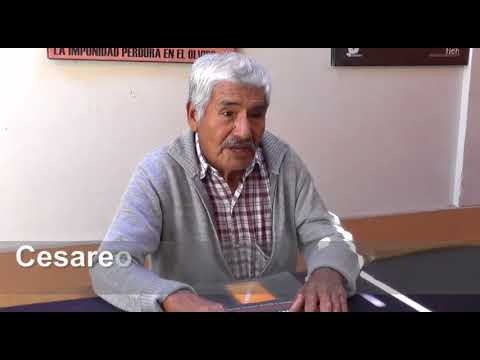
Interview with Maria Luisa Tello - Granddaughter of Santiago Tello (Cayara Case)
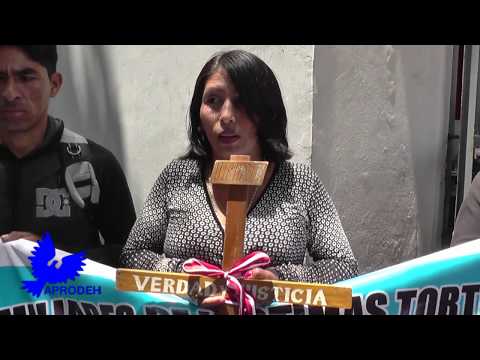
Interview with Tania Pariona - Pativilca Case Hearing
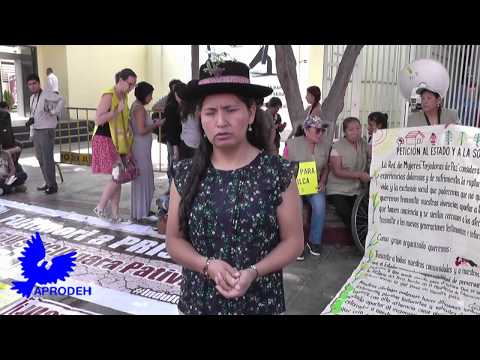
Ada Ochoa Solano - Widow of Felandro Castillo Manrique - Pativilca Case (Caraqueño)
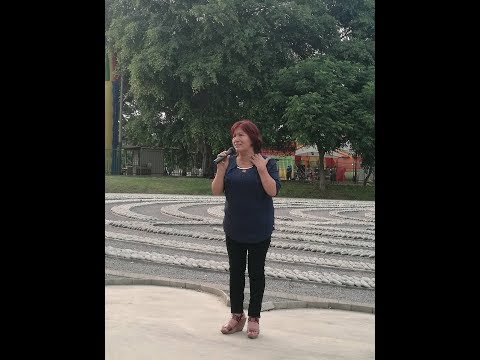
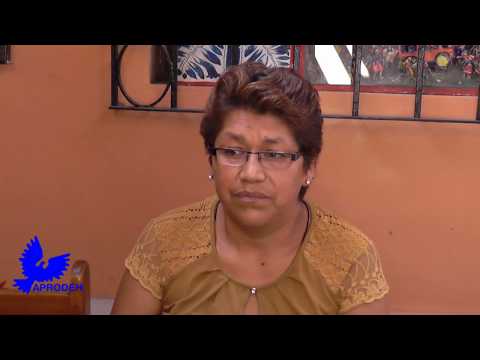
Doris Caqui Calixto - Memorial at The Eye That Cries
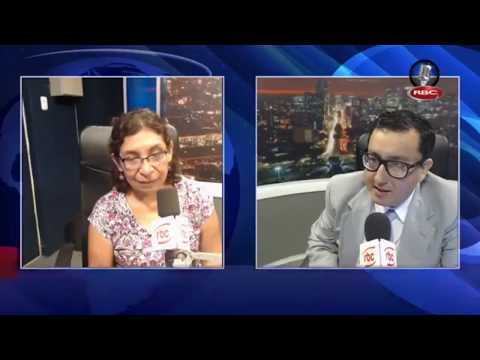
Ideeleradio interview with Dr. Gloria Cano

Dr. Gloria Cano on the Resolution of the National Criminal Chamber, the pardon and the death penalty
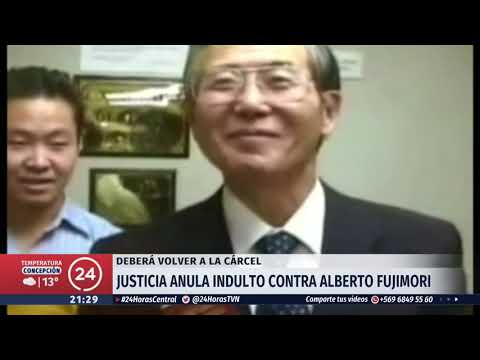
Fujimori must return to prison after annulment of presidential pardon
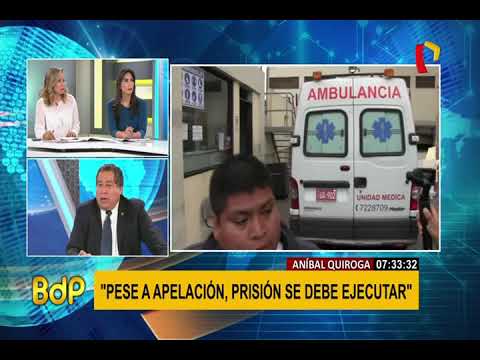
Constitutional expert analyzes annulment of humanitarian pardon of Alberto Fujimori

Pardon of former president Fujimori is cancelled
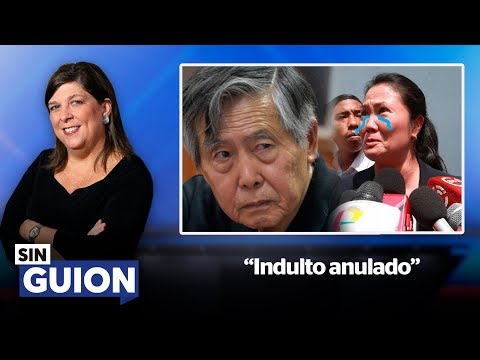
Fujimori returns to prison - SIN GUION with Rosa María Palacios

Peruvian Supreme Court annuls pardon of Alberto Fujimori
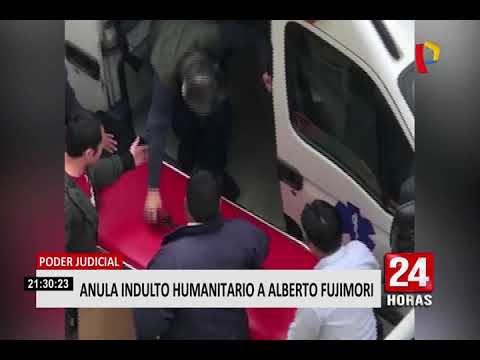
Supreme Court annuls humanitarian pardon of Alberto Fujimori (2/2)
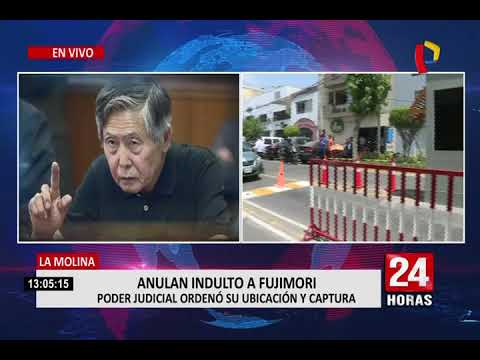
Judiciary annulled pardon of former president Alberto Fujimori (1/2)
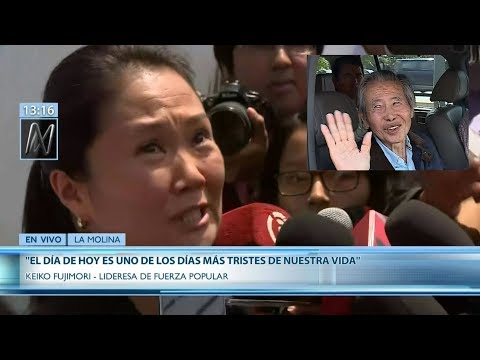
PJ annulled the humanitarian pardon of Alberto Fujimori: Keiko's tears and other reactions
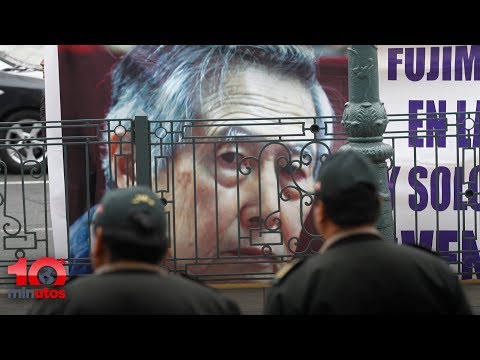
Judiciary annuls pardon of Alberto Fujimori and orders his arrest - 10 Minutos Mediodía
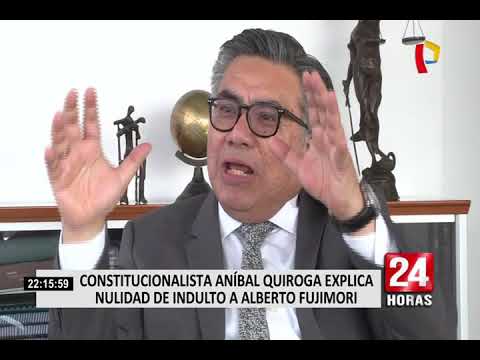
Constitutional expert explained the reasons that led to the annulment of Fujimori's pardon

Peru: Judiciary annuls humanitarian pardon of dictator Fujimori
Canal N live: pardon of Alberto Fujimori is annulled and immediate arrest ordered

Cuarto Poder: Fujimori and the story of the express pardon

Judiciary annuls pardon of Alberto Fujimori

20,000 Peruvians march against the pardon of Alberto Fujimori

Pardon for Fujimori: how the fourth mobilization took place

Pardon for Alberto Fujimori: fifth march ended at Plaza San Martín

Peru: relatives of Fujimori's victims will seek to revoke pardon

Peru: reactions to the pardon of Fujimori
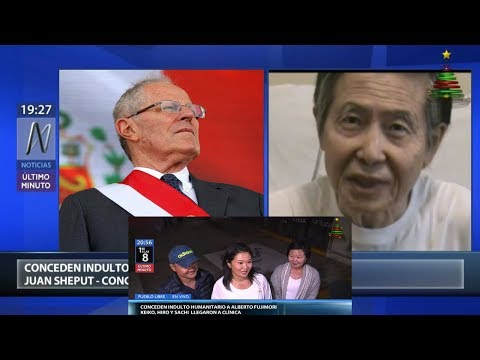
PPK grants humanitarian pardon to Alberto Fujimori: repercussions of historic decision
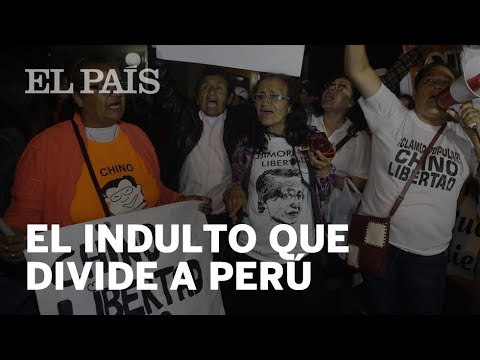
Peru's president pardoned Fujimori and the country is divided
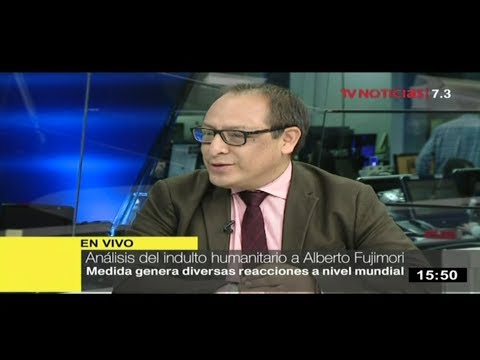
Analysis of the humanitarian pardon of Alberto Fujimori
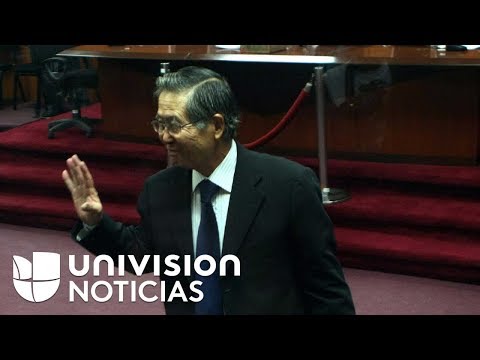
Humanitarian pardon granted to former Peruvian president Alberto Fujimori

PPK granted the humanitarian pardon to Alberto Fujimori
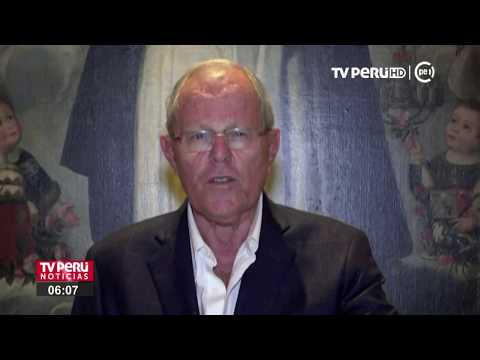
President Kuczynski addressed the nation after the pardon of Alberto Fujimori
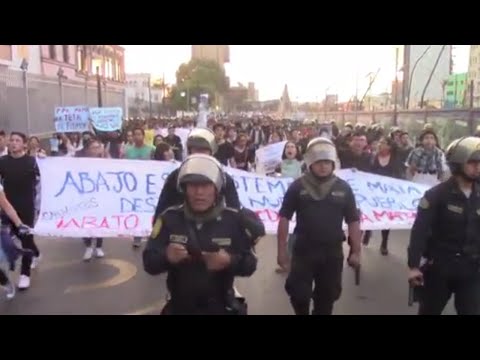
Demonstrations in Peru against the pardon of Fujimori

First protests in Lima against the pardon of Fujimori
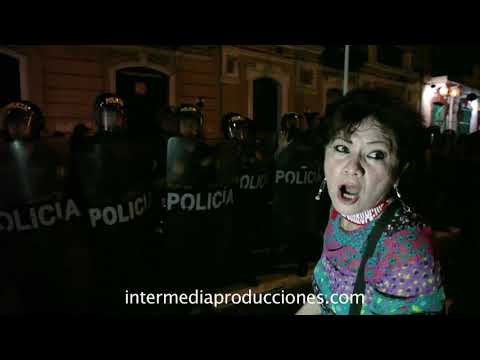
March against the Pardon of Fujimori - December 28, 2017
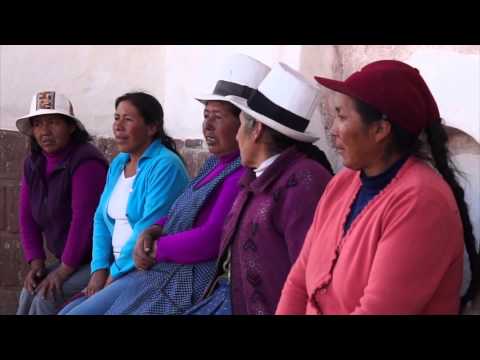
"Scars of Deception". Documentary.

Interview with María Ysabel Cedano - Forced sterilizations

"La Cantuta. In the mouth of the devil". Documentary. Part 16

"La Cantuta. In the mouth of the devil". Documentary. Part 15

"La Cantuta. In the mouth of the devil". Documentary. Part 14

"La Cantuta. In the mouth of the devil". Documentary. Part 13

"La Cantuta. In the mouth of the devil". Documentary. Part 12

"La Cantuta. In the mouth of the devil". Documentary. Part 11

"La Cantuta. In the mouth of the devil". Documentary. Part 10

"La Cantuta. In the mouth of the devil". Documentary. Part 9

"La Cantuta. In the mouth of the devil". Documentary. Part 8

"La Cantuta. In the mouth of the devil". Documentary. Part 7

"La Cantuta. In the mouth of the devil". Documentary. Part 6

"La Cantuta. In the mouth of the devil". Documentary. Part 5

"La Cantuta. In the mouth of the devil". Documentary. Part 4
Showing 1–50 of 124 items
Timeline Events 50
-
Corruption and Reconciliation in Peru Post-Fujimori Era
In the aftermath of the Fujimori dictatorship in Peru, the country faced significant challenges related to corruption and human rights abuses. The intertwining of state mechanisms and narcotrafficking networks highlighted a deep-seated corruption that required a new ethical mindset for reconciliation. The process of reconciliation was seen as essential for …
-
Impact of Political and Social Violence in Peru
The text discusses the impact of political and social violence in Peru, particularly during the presidency of Alberto Fujimori. It highlights the exhaustion felt by various sectors due to the actions of both the government and the PCP-SL (Shining Path), which led to the disintegration of social and political organizations. …
-
Constitutional Court declares anti-terrorism legislation null and void
In 2002, in response to the rulings of the Inter-American Court of Human Rights on due process violations in Peru, the Constitutional Court declared null and void a large part of the so-called anti-terrorist legislation enacted by the government of former President Alberto Fujimori. As a result, the Peruvian State …
6 docs -
Impunity and Human Rights Violations in Peru
The text discusses the ongoing pain and indignation felt by victims' families due to the impunity surrounding human rights violations in Peru. It highlights the frustration over the lack of justice for crimes committed during the internal conflict, including the presence of perpetrators like Martín Rivas and former President Fujimori …
-
Investigation of Alleged Homicides During the Fujimori Regime
In 2002, an investigation was launched against Alberto Fujimori for the alleged commission of aggravated homicide against several individuals, including Eduardo Nicolás Cruz Sánchez, Herma Luz Meléndez Cuevas, and Víctor Salomón Peceros Pedraza. The investigation involved exhuming bodies and conducting forensic examinations to determine the identities and causes of death …
-
Congress declares Fujimori's vacancy for moral incapacity
Congress approves the legislative resolution that declares Alberto Fujimori Fujimori's vacancy as President of the Republic due to his permanent moral incapacity. Valentín Paniagua Corazao, President of the Legislative Power, indicates that this 'may imply Fujimori's disqualification' to hold any political office in the future.
1 media 9 docs -
Collapse of the Fujimori regime
The collapse of the Fujimori regime was triggered by the exposure of its corrupt character. This led to the formation of a transitional government headed by the recently appointed president of the Congress of the Republic, Dr. Valentín Paniagua, who faced the most urgent challenges of the beginning of the …
1 media 23 docs -
Alberto Fujimori's resignation from Japan
Alberto Fujimori Fujimori travels to Asia from where he announces his resignation. On November 19, the president of the Council of Ministers, Federico Salas Guevara, officially and definitively confirms that the president of the Republic, Alberto Fujimori Fujimori Fujimori, will present his resignation before Congress. After the announcement, the Joint …
4 media 6 docs -
Ollanta Humala's uprising in Moquegua
Ollanta Moisés Humala Tasso, lieutenant colonel of the Peruvian Army Artillery and commander of the 501st Anti-Aircraft Artillery Group, revolted with his troops and demanded the resignation of President Alberto Fujimori Fujimori, whose government and authority as supreme head of the Armed Forces he considered illegitimate. This military uprising occurred …
-
Fujimori announces new elections and deactivation of SIN
President Alberto Fujimori Fujimori, at around 9:00 p.m. on September 16, announced his decision to call new elections, in which he would not participate, and the immediate deactivation of the SIN. This announcement follows the Kouri-Montesinos video scandal and marks the beginning of the end of the Fujimori regime.
2 media 12 docs -
March of the Four Yours
Former presidential candidate Alejandro Toledo Manrique calls for a three-day mobilization called the March of the Four of His Own, in protest against the fraudulent re-election of Alberto Fujimori Fujimori. The first day passes peacefully with thousands of people mobilizing from different parts of the capital. On July 28, acts …
9 docs -
General Elections 2000 - First round
The 2000 general elections are held. Several exit polls show the winner as the candidate of Perú Posible, Alejandro Toledo Manrique. However, as the quick count is carried out, the electoral results change, in such a way that President Alberto Fujimori Fujimori appears as the winner of the electoral race. …
6 docs -
Presidential elections give a murky victory to Alberto Fujimori
On April 9, 2000, presidential elections were held in Peru, resulting in the victory of Alberto Fujimori. The CVR report describes this victory as "murky", suggesting irregularities in the electoral process. These elections represented the re-election of Fujimori, who had already won in 1990 and 1995. The electoral result was …
3 docs -
Operation Siberia and the Vladivideo Scandal
In 2000, the Peruvian government, led by President Alberto Fujimori and his advisor Vladimiro Montesinos, attempted to bolster its popularity through Operation Siberia. This operation was presented as a successful intelligence mission against national enemies but was soon exposed as a fabrication, particularly by Colombia. The scandal was compounded by …
-
Fujimori's resignation from Asia
Alberto Fujimori traveled to Asia in 2000, where he announced his resignation from the presidency of the Republic of Peru. This occurred in the context of a serious political crisis unleashed after his fraudulent re-election in April 2000. The resignation from abroad marked the end of the Fujimorist regime that …
-
Irregularities in the 2000 Peruvian Presidential Elections
The 2000 Peruvian presidential elections were marred by significant irregularities, including the manipulation of media control by then-President Alberto Fujimori and his government. They launched costly campaigns to discredit opposition candidates, exploiting the threat of terrorism to influence public perception. These actions were part of a broader strategy to bolster …
-
Capture of Óscar Ramírez Durand (a) Feliciano
Óscar Ramírez Durand, also known as Feliciano, was captured on July 14, 1999. The capture was initially reported as a coordinated military operation, but later accounts suggested that it was a result of a chance encounter with a police officer during his off-duty hours. The event highlighted the ongoing tension …
-
Capture of Óscar Ramírez Durand (Feliciano)
Oscar Ramirez Durand, known as 'Feliciano', was a leader of the Shining Path, a Maoist guerrilla group in Peru. He was captured on 14 July 1999 after a series of intelligence operations by the Peruvian police. The capture was used by President Alberto Fujimori to demonstrate the success of his …
-
Capture of Feliciano
On 14 July 1999, Feliciano, a subversive figure, was captured in Cochas, near Huánuco, Peru. The capture was initially misrepresented by the government, which claimed it was executed by the Peruvian Army while Feliciano was disguised as a campesino. However, it was later revealed that he was captured on an …
-
Capture of Oscar Ramírez Durand 'Feliciano'.
Oscar Ramirez Durand, known as 'Feliciano', was captured in July 1999. Feliciano was one of the main leaders of the PCP-Sendero Luminoso who opposed the Peace Accord proposed by Abimael Guzmán in 1993, leading the faction that intended to continue the armed struggle. His capture was presented by Alberto Fujimori …
10 docs -
Peace consolidation between Peru and Ecuador
Peace between Peru and Ecuador was consolidated when Presidents Alberto Fujimori Fujimori and Jamil Mahuad placed the last milestone on the border. However, the handing over of one square kilometer in Tiwinza does not convince many sectors, including high-ranking military officers and the population of Loreto. This act marks the …
-
Nicolás Lúcar resignation from Revista Dominical
On April 25, 1999, Nicolás Lúcar resigned from Revista Dominical after an unauthorized broadcast of an interview with President Fujimori and Montesinos. In the interview, reporter Álamo Pérez Luna, instead of interrogating, gave visibly negotiated inputs for a discourse that exalted the efficiency of the government and its intelligence apparatus. …
1 media -
TV interview of Vladimiro Montesinos and Alberto Fujimori
Vladimiro Montesinos Torres and Alberto Fujimori Fujimori are interviewed on the television program La Revista Dominical. After the interview, the host of the program, Nicolás Lúcar de la Portilla, announces his resignation in a press conference saying 'I am not a good example'. This event evidences the influence of the …
1 media 1 docs -
Fujimori's Regime and the Collapse of the Penitentiary System
During the collapse of Fujimori's regime, the incoming Transitional Democratic Government found the penitentiary system in disarray, with legal frameworks that were impractical and unenforceable. The harsh penitentiary regime led to the retaking of prisons by groups like Sendero Luminoso and MRTA, undermining the authority of the state. Fujimori's government …
-
Corruption and Human Rights Violations in Peru under Fujimori and Montesinos
During the late 1990s, the Peruvian government under President Alberto Fujimori and his advisor Vladimiro Montesinos engaged in significant corruption and human rights violations. Funds were diverted to the National Intelligence Service (SIN) under the guise of combating subversion, but were instead used for illegal activities such as phone tapping, …
-
Expansion of Presidential Powers and SIN in Peru
In 1998, the Peruvian government, under President Fujimori, expanded the powers of the National Intelligence Service (SIN) and the military to combat crime, using the public's fear of common crimes to justify this expansion. This move included the implementation of harsh legal measures, such as the concept of 'aggravated terrorism,' …
-
Political Use of Terrorism in Peru
In 1998, the Peruvian government, under President Alberto Fujimori, intensified its use of media control and psychological operations to manipulate public perception of terrorism. The government labeled opposition activities as 'terrorist' to dissuade public protests and maintain control. This strategy included legislative measures like the 'aggravated terrorism' decrees, which aimed …
-
Administrative Resolution N°001-97 on Superior Corporate Criminal Court for Terrorist Crimes
Administrative Resolution No. 001-97, issued on December 12, 1997, established the Superior Corporate Criminal Court in charge of trying cases for the crime of terrorism. This resolution was part of the anti-terrorist legal framework implemented during the government of Alberto Fujimori. The creation of this specialized court was part of …
-
Supreme Decree No. 005-97 on prison regime for terrorism and treason
Supreme Decree No. 005-97, promulgated on June 24, 1997, established the Regulations for the regime of life and progressive treatment of inmates for terrorism and treason. This norm was part of the anti-terrorist legislation implemented during Alberto Fujimori's government. The decree regulated the conditions of confinement and the specific penitentiary …
-
Operation Chavín de Huántar
Operation Chavín de Huántar was a successful military operation carried out on April 22, 1997, to rescue hostages held by the MRTA at the Japanese ambassador's residence in Peru. The operation marked a significant achievement for the Peruvian government, enhancing its prestige. However, the credit for the success was contested …
-
Crisis de la Embajada y la Operación Militar en Perú
The crisis surrounding the embassy in Peru led to a controversial military operation under the leadership of President Alberto Fujimori, with significant involvement from Vladimiro Montesinos and General Nicolás Hermoza Ríos. The operation sparked public debates about the role of the military and allegations of extrajudicial executions of MRTA members. …
-
The Cantuta Massacre Investigation Proposal
On October 18, 1995, a proposal was made in the Peruvian Congress to form an investigative commission to examine the military's involvement in the Cantuta Massacre, where a professor and nine students were killed. Despite evidence presented by Major Santiago Martín Rivas linking military personnel to the crime, the motion …
-
Approval of the Amnesty Interpretative Law 26492
On July 2, 1995, the Democratic Constituent Congress approved Law No. 26492 that interpreted Article 1 of Law No. 26479 in the sense that the general amnesty was of obligatory application by the Jurisdictional Bodies and reached all the facts derived from the fight against terrorism. The procedure was irregular: …
3 docs -
Approval of the Controversial Amnesty Law in Peru
In July 1995, President Alberto Fujimori of Peru promulgated a controversial Amnesty Law (Law 26492) that mandated the application of amnesty to military personnel involved in human rights abuses, notably in the Barrios Altos case. This law was met with significant opposition from the judiciary, public protests, and international criticism, …
-
Promulgation of Law 26492 against diffuse control
On June 29, 1995, in reaction to Judge Saquicuray's decision, Congress passed Law 26492, known as the 'Barrios Altos Law', without public debate. This law 'interpreted' that the amnesty was of obligatory application by the Judicial Power and could not be reviewed in the courts, expressly prohibiting judges from exercising …
2 media 10 docs -
Promulgation of Amnesty Law 26479
President Fujimori promulgated Law 26479, known as the General Amnesty Law, which had been approved by Congress the day before. This law granted general amnesty to military, police or civilian personnel denounced, investigated, prosecuted, tried or condemned for common and military crimes derived from the fight against terrorism from May …
2 media 9 docs -
Approval of unconstitutional amnesty laws
The government headed by Alberto Fujimori approved the unconstitutional amnesty laws No. 26479 and No. 26492, which freed members of the security forces sentenced for crimes against humanity and prohibited any jurisdictional investigation. The citizenry mobilized massively against these laws, led by university youth who assumed a vanguard role in …
2 media 51 docs -
Approval of General Amnesty Law
The amnesty bill was presented without prior notice by pro-government congressmen on the night of June 13 and approved in the early hours of June 14 with 47 votes in favor and 11 against. The General Amnesty Law (26479) benefited those sentenced for human rights violations during the fight against …
18 docs -
Promulgation of Amnesty Law 26479
On June 14, 1995, the Democratic Constituent Congress, with the votes of the ruling majority of the 'Cambio 90' party, approved Law 26479, a broad and general amnesty for military and police officers implicated in human rights violations since May 1980. The law established that all facts derived from the …
4 media 32 docs -
Approval of amnesty laws
In June 1995, the Democratic Constituent Congress approved by majority vote the Amnesty laws guaranteeing impunity for human rights violations. This approval included a significant vote by some leaders of the opposition to the Fujimori regime. The amnesty laws were designed to dispense with the obsequiousness of judicial authorities and …
1 media 15 docs -
Administrative Intervention at UNMSM by Fujimori's Government
In May 1995, the government of Alberto Fujimori intervened administratively at the Universidad Nacional Mayor de San Marcos (UNMSM) by forming a Reorganizing Commission (CORE) that dismissed university authorities and student bodies. This intervention aimed to place the university under the control of pro-government faculty members to prevent opposition movements …
-
Law No. 26447 on the end of faceless tribunals
Law No. 26447, enacted on April 21, 1995, put an end to faceless courts in Peru. This law was part of the anti-terrorist legislation of Alberto Fujimori's government. The faceless tribunals had been implemented after the coup d'état of April 1992 as part of the scheme for trying crimes of …
1 docs -
General elections: Alberto Fujimori re-elected president
General elections are held in Peru. Alberto Fujimori Fujimori is reelected with 64% of the votes, while Javier Perez de Cuellar obtains the second place with 22%. The electoral campaign took place in the midst of the conflict with Ecuador. C90-NM acquires majority in congress with 67 seats; UPP obtains …
1 media 8 docs -
Reelection of Alberto Fujimori
Alberto Fujimori won his presidential re-election on April 9, 1995. This reelection occurs in a context of declining subversive violence after the capture of Abimael Guzmán in 1992 and the weakening of the PCP-SL and MRTA. Fujimori's electoral triumph comes after the implementation of counter-subversive policies and anti-terrorist legislation that …
8 docs -
Crisis in the Huallaga Valley
In April 1995, a significant crisis emerged in the Huallaga Valley due to a surplus of cocaine in international markets, self-supply of coca leaves and PBC by groups in Colombia, and the effects of aerial interdiction. The price of coca dropped significantly, leading to economic distress among coca farmers. This …
-
Supreme Decree N°01-95 on the presentation of detainees
Supreme Decree No. 01-95, promulgated on January 6, 1995, prohibited the public presentation of those detained for terrorism. This measure was part of the set of anti-terrorist norms implemented during the government of Alberto Fujimori, specifically during his first presidential term (1990-1995). The decree was part of the emergency legislation …
-
1995 Peruvian Presidential Election and the Ecuador Conflict
In 1995, the Peruvian presidential election was significantly influenced by a conflict with Ecuador that began in January of that year. The need for national unity led opposition candidate Pérez de Cuellar to avoid further polarizing the election, while incumbent President Alberto Fujimori capitalized on his military leadership image. Despite …
-
Barrios Altos Massacre and Subsequent Amnesty Law
In 1995, the Peruvian government passed the controversial Law Nº 26479, granting amnesty to military personnel involved in human rights violations, including the Barrios Altos massacre where fifteen people were executed extrajudicially. This law was challenged for its constitutionality, particularly concerning the Barrios Altos case, but the Congress responded by …
-
Repression of Military Officers in Peru
In the mid-1990s, during Alberto Fujimori's presidency, there was significant repression against military officers in Peru who opposed the regime. Notable figures like General Walter Ledesma and General Carlos Mauricio faced demotions, imprisonment, and accusations of crimes against the nation for expressing dissent. This period saw the manipulation of military …
-
Cenepa War and Political Implications in Peru
The Cenepa War was a brief military conflict between Peru and Ecuador in early 1995, centered around the disputed border area of Tiwinza. The conflict had significant political implications in Peru, influencing the presidential elections and bolstering the popularity of President Alberto Fujimori. The aftermath saw Fujimori's government passing a …
Documents 50
Forced Sterilizations in Peru: Women Await Justice. Although Impunity Borders on Crimes Against Humanity
The allegations of forced sterilizations made by various women and organizations in Peru over these years take on special significance in the efforts of a group of twelve Quechua-speaking peasant …
Peru: A Tribunal Orders Fujimori to Stand Trial for Another 1992 Massacre
A Peruvian court ordered that former President Alberto Fujimori be tried for the massacre of six people in 1992, ruling that he lacks immunity despite having been pardoned and granted …
The Judiciary Denies Fujimori a Pardon for the Pativilca Massacre Trial
Panel B of the Sala Penal Nacional, led by Judge Miluska Cano, ordered today that former President Alberto Fujimori Fujimori be tried as a defendant in the Pativilca massacre, in …
Pardon and Right of Grace Granted to Former President Alberto Fujimori: Regulatory and Jurisprudential Assessment
Document that provides a normative and jurisprudential assessment of the pardon and right of grace granted to Alberto Fujimori in December 2018. Among its main conclusions, it identifies the insufficient …
Judicial Resolution Annulling Alberto Fujimori's Pardon
Full text of the resolution annulling the pardon granted to Alberto Fujimori Fujimori. Published on October 3, 2018.
Public Prosecutor's Office Requests Consolidation of Pativilca and Ventocilla Cases
Senior prosecutor Daniel Jara requested that Panel B of the Sala Penal Nacional consolidate the Pativilca and Ventocilla cases due to the same suspects being involved in both judicial proceedings. …
Right of Grace – Pativilca Case. Amicus Curiae
The Instituto de Democracia y Derechos Humanos de la Pontificia Universidad Católica (Idehpucp), the Fundación para el Debido Proceso (DPLF), and the Human Rights Research and Education Centre (HRREC) of …
The House of Cards of the Fujimoris
The Fujimori case took another twist with the annulment of the pardon. This once again exposed the bitter rivalry between Keiko and Kenji. This entire saga could well inspire a …
More Than 2,400 Peruvian Artists Condemn the Pardon of Fujimori
The climate of outrage over the pardon granted on Christmas Eve by Peruvian president Pedro Pablo Kuczynski to former president (1990-2000) Alberto Fujimori was reflected in four manifestos signed by …
Fujimori and Former Ministers Criminally Charged in the Forced Sterilizations Case
Alberto Fujimori and his former ministers Marino Costa Bauer, Alejandro Aguinaga, and Eduardo Yong Motta are charged before the Primer Juzgado Penal Nacional as indirect perpetrators of the alleged commission …
Criminal Complaint Against Alberto Fujimori and Others Regarding the Forced Sterilizations Case
Criminal complaint formally filed by the Segunda Fiscalía Penal Supraprovincial against Alberto Fujimori Fujimori, Eduardo Yong Motta, Ricardo Luis Costa Bauer, Alejandro Aguinaga, Ulises Jorge Aguilar, Segundo Aliaga Pideno, Octavio …
Peruvian Justice Ends Fujimori's Freedom by Annulling His Pardon
Peruvian justice today put an end to the freedom that octogenarian former Peruvian president Alberto Fujimori had enjoyed since the past Christmas, by annulling the controversial pardon that had been …
Why Did the Judiciary Annul Fujimori's Pardon and Order His Return to Prison?
The pardon of Alberto Fujimori should never have been granted because it did not comply with internal procedures and violates the ruling of the Inter-American Court of Human Rights (Corte …
The Pardon of Fujimori: The Reasons Peruvian Justice Ordered the Arrest of the Former President
Peru's Supreme Court annulled this Wednesday the pardon granted to former Peruvian president (1990-2000) and ordered his return to prison. Former president Pedro Pablo Kuczynski (PPK) had granted him this …
President Vizcarra Says the Decision to Annul Alberto Fujimori's Pardon Must Be Respected
President of the Republic Martín Vizcarra stated that the decision of the Judiciary declaring the humanitarian pardon granted to former president Alberto Fujimori Fujimori inadmissible must be respected. He recalled …
The Peruvian Government Will Comply with the Resolution Annulling Fujimori's Pardon
The Government of Peru announced that it will comply with the judicial ruling that today annulled the humanitarian pardon granted to former president Alberto Fujimori (1990-2000) and ordered his arrest …
The IACHR Welcomes the Annulment of Alberto Fujimori's Pardon
The Inter-American Commission on Human Rights (CIDH) today (October 5, 2018) welcomed the annulment of the pardon granted to former Peruvian president Alberto Fujimori (1990-2000), who was sentenced to 25 …
IACHR Court Backs Victims in Response to the Pardon Granted to Alberto Fujimori
International human rights organizations and Peruvian civil society organizations issue a statement regarding the decision of the Inter-American Court of Human Rights (Corte IDH) determining that the pardon granted to …
Judicial Resolution Issued by the National Criminal Chamber on the Pativilca Case
Judicial ruling issued by the Sala Penal Nacional in the Pativilca case, resolving that the humanitarian pardon of former President Alberto Fujimori does not apply, and therefore he is not …
Kuczynski's Secret Deal to Pardon Alberto Fujimori
Three months before the pardon of Alberto Fujimori, Peruvian president Pedro Pablo Kuczynski received the former president's son. He did so shortly after announcing another cabinet, forced at that time …
Government Respects Court Ruling Annulling Fujimori's Pardon
Following the release of the resolution by the Supreme Preparatory Investigation Court declaring the humanitarian pardon to former president Alberto Fujimori inapplicable, the Ministry of Justice and Human Rights assured …
Pativilca Case – Caraqueño.
On January 29, 1992, members of the Colina squad kidnapped, tortured and murdered six peasants from the Caraqueño and San José annexes in the district of Pativilca (north of the …
Standards of Peruvian Constitutional Law and International Law on the Obligation to Combat Impunity for Crimes Against Humanity. Amicus Curiae
The Idehpucp, together with Abogados sin Fronteras – Canadá, Human Rights Research and Education Centre, University of Ottawa, Fundación para el Debido Proceso, Clinique internationale de défense des droits humains, …
Peruvian Justice Annuls Fujimori's Pardon and Orders His Return to Prison
A setback for the pardon of former president Alberto Fujimori, granted by Pedro Pablo Kuczynski. The Judiciary annulled this morning the humanitarian pardon granted to Fujimori and ordered his immediate …
Fujimori Barred from Leaving the Country Over the Pativilca Massacre
The Poder Judicial issued a travel ban against former President Alberto Fujimori (1990–2000) in connection with the Pativilca massacre that occurred in 1992, carried out by the "Colina" group made …
The Pardon of Fujimori: The Ombudsman's Office Objections
The Ombudsman's Office warned that former president Alberto Fujimori is barred from participating in public events or political affairs, since doing so would demonstrate that his health condition does not …
Peruvian Justice Annuls Fujimori's Pardon and Orders His Arrest
Alberto Fujimori will return to prison. Peru's Supreme Court annulled this Wednesday the pardon granted to the 80-year-old autocrat, who had received the grace on Christmas night last year from …
Open Letter to Former President of Peru, Pedro Pablo Kuczynski, Following the Pardon of Alberto Fujimori
Letter addressed to former President of Peru, Pedro Pablo Kuczynski, drafted by a group of European parliamentarians, following the decision to pardon former President Alberto Fujimori, who had been sentenced …
Relatives of Victims in the Barrios Altos and La Cantuta Cases Filed a Request for Conventionality Review Before the Supreme Court
Family members of the victims in the Barrios Altos and La Cantuta cases, along with their legal defense team comprising APRODEH, COMISEDH, FEDEPAZ, and IDL — organizations that make up …
UN Rapporteurs: Annulment of Fujimori's Pardon Restores Justice
The judicial annulment of the pardon granted to former Peruvian president Alberto Fujimori (1990-2000) restores justice and prevents impunity for the crimes committed by the former president, said three special …
Alberto Fujimori: The 4 Key Points for Understanding the Pativilca Case
Former President Alberto Fujimori will be tried for the indirect perpetration of the murder of six peasants at the hands of the paramilitary group Colina in the district of Pativilca …
The National Human Rights Coordinator Welcomes the Ombudsman's Report on the Pardon and Right of Grace Granted to Alberto Fujimori
The Coordinadora Nacional de Derechos Humanos (CNDDHH) welcomes the scope of Ombudsman's Report No. 177 on the "Pardon and right of grace granted to former president Alberto Fujimori" and highlights …
IACHR Urges the Peruvian State to Revoke Fujimori's Pardon
The Inter-American Commission on Human Rights (CIDH) urged the Peruvian State today to revoke the humanitarian pardon and the right of grace granted to convicted former president Alberto Fujimori. According …
The Judiciary Annulled Alberto Fujimori's Pardon
The Preparatory Investigation Court of the Supreme Court, presided over by judge Hugo Núñez Julca, granted the request by the civil party not to apply the humanitarian pardon in favor …
What Lies Behind the Pardon of Alberto Fujimori?
The former president accused of human rights crimes was released from prison thanks to the political use made of the Odebrecht scandal. Peru is not the only country in which …
Pativilca Case: The Tragic Episode That Led to the Extension of Alberto Fujimori's Extradition
Among the crimes committed by former Peruvian President Alberto Fujimori, the case of the nine students and the professor from La Cantuta, and that of the victims from the Barrios …
The Consequences of the Pardon of Fujimori
The pardon granted by Peruvian president Pedro Pablo Kuczynski to former president Alberto Fujimori on Christmas began to have its first consequences, in the form of resignations by officials and …
Peruvians March Around the World Against the Pardon of Alberto Fujimori
Peru's president, Pedro Pablo Kuczynski (PPK), pardoned former president Alberto Fujimori on Christmas Eve. This decision triggered a wave of marches across the South American country in rejection of the …
More Than 230 Peruvian Writers Reject the Pardon of Fujimori
More than 230 Peruvian writers, including 2010 Nobel Prize in Literature laureate Mario Vargas Llosa, signed a letter of protest against the "illegal and irresponsible conduct" of Peruvian president Pedro …
Alberto Fujimori: The Pativilca Massacre, the Crime for Which the Former President May Now Be Tried
The Chilean Supreme Court today approved the expansion of the extradition of imprisoned former President Alberto Fujimori, who can now be tried by the justice system for crimes against humanity …
PARALLEL DEFENSES
The same strategy is used by Abimael Guzmán and Fujimori. They both claim they were unaware of the crimes.
PROTEST DEMONSTRATION IN SUPPORT OF VICTIMS OF FORCED STERILIZATIONS
National protest against the campaign of forced sterilizations during the Fujimori regime.
Legal Report on the Forced Sterilizations Case
Legal opinion on the domestic criminal characterization of acts of surgical sterilization performed by personnel of the Ministerio de Salud during the 1990s on Peruvian women without their valid consent, …
Fifteen Years Have Passed and the State Has Not Prosecuted Forced Sterilization Cases
Since 1999, the State has resisted judicially investigating the abuses committed under the Programa Nacional de Salud Reproductiva y Planificación Familiar during Alberto Fujimori's government, even though supranational treaties oblige …
So That It Is Not Repeated
Now that it has been 10 years since the presentation of the final report of the Comisión de la Verdad y Reconciliación (CVR), and given that there are interests seeking …