 1995
1995
Photos & Videos
3 media items in Truth and Reconciliation Commission - Peru
Tag
junín
×
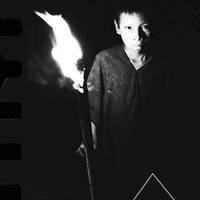
1995
 1993
1993
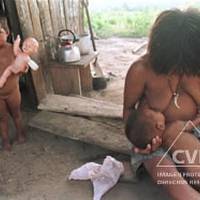
Asháninka woman with her children in the community of Betania, Junín
 1989
1989
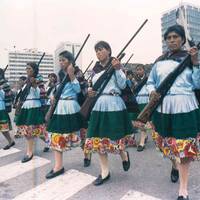
Bodies of victims of the clash in the district of Molinos in Junín
Showing 1–3 of 3 items
Timeline Events 50
-
Testimony on political violence in Junín
Testimony recorded in December 2002 in Junín. The testimony is part of the Truth and Reconciliation Commission's documentation on the psychological and emotional effects of political violence in Peru. The testimony is cited in the context of the discussion of feelings of powerlessness and the impossibility of accessing a justice …
-
Testimony on husband's murder in Mariscal Castilla
Testimony number 331031 collected in Huancayo in December 2002. A woman recounts the murder of her husband in Mariscal Castilla, province of Huancayo, department of Junín. The testimony is part of the documentation on the psychological and emotional impacts of violence, specifically related to feelings of hopelessness and extreme suffering …
-
Violence and Trauma in Jauja, Junín
In December 2002, a testimony was recorded detailing the traumatic experiences of individuals in Jauja, Junín, Peru, during a period of violence. The declarant described living in fear of subversive groups and soldiers, leading to a life of constant anxiety and dislocation. The violence had a profound psychological impact, leaving …
-
Murder in Mariscal Castilla
A woman recounts the murder of her husband in Mariscal Castilla, Huancayo, Junín. The testimony was collected in December 2002 in Huancayo. She describes the devastating emotional and economic consequences that the murder had on her life and that of her children, expressing that she was left in ruin and …
-
Testimony on father's murder in Jauja
A woman testified before the CVR in December 2002 about the murder of her father in Jauja, Junin. The testimony is part of the cases documented at the Central Regional Headquarters of the CVR. This case is part of the testimonies on loss of family members during the internal armed …
-
Gender workshop
Gender workshop held in Satipo to discuss the consequences of the internal armed conflict in the community. Participants expressed concern about the increase in common crime in the area, including robberies and threats. Specific mention was made of the difficulty in capturing common criminals despite being in talks with the …
2 docs -
Thematic workshop on displaced persons
Thematic workshop conducted by the Truth and Reconciliation Commission with displaced population in Satipo, Junín. During the workshop, participants shared testimonies about the consequences of the internal armed conflict in their communities. They discussed issues related to forced displacement, the loss of local authorities and the disintegration of the social …
1 media 9 docs -
Testimony on father's murder in Ataquero, Acobamba, Tarma, Junín
The declarant gave testimony at the Central Regional Headquarters of the CVR in November 2002. She narrated the murder of her father in Ataquero, district of Acobamba, province of Tarma, department of Junin. The testimony is part of the documentation of cases of political violence in the central region of …
-
Murder in Ataquero
The witness recounts the murder of her father in Ataquero, Acobamba, Tarma, Junín. The testimony was collected in November 2002 at the Central Regional Headquarters. This case is part of the multiple murders that occurred during the internal armed conflict in the Junín region. The testimony reflects the pain and …
-
Kidnapping, torture and death in Palian
The younger sister of a witness was a victim of kidnapping, torture and subsequent death in Palian, Huancayo, Junin. The case was narrated by the victim's sister in her testimony before the TRC. This fact is part of the multiple cases of human rights violations documented in the Junin region …
-
Testimony on husband's murder in Huasicancha
A woman testified before the CVR about the murder of her husband in Huasicancha, Huancayo province, Junin department. The testimony was collected in October 2002 in Ayacucho. The declarant describes the traumatic impact of witnessing or learning of her husband's death, expressing the state of shock and daze she experienced. …
-
Workshop with Grassroots Communities on Reconciliation in Satipo
The TRC organized workshops with Asháninka communities in Satipo to discuss reconciliation. The communities expressed hope for reparations but also distrust towards the State. The participants stated that the State, through its institutions, has not participated in anything, has not repaired the damage, has not done justice and has not …
7 docs -
In-depth interview P179 on disappearances of MRTA militants in Huancayo
In-depth interview conducted in Huancayo documenting the disappearances of MRTA militants in the urban area during 1991, 1992 and 1993. The testimony indicates that the MRTA was hit hard in the urban zone, with many simultaneous disappearances, especially student members of the MRTA. The interviewee mentions that many good cadres …
-
In-depth interview P203, Cedruyoj
In-depth interview conducted in the town of Cedruyoj, district of Monobamba, as part of the Truth and Reconciliation Commission's investigation. The testimony corresponds to a woman inhabitant of Huertas who witnessed an armed confrontation in the area. The interview is part of the process of collecting testimonies about the internal …
1 docs -
Murder of younger sister in Palian
The testimony recorded in the CVR Report documents the murder of a younger sister in Palian, district of the province of Huancayo, department of Junin. This case was narrated by the declarant during 2002 before the Truth and Reconciliation Commission. The event is part of the multiple cases of violence …
-
Murder in Poyeni
The declarant recounts the murder of his son in Poyeni, a locality located in Rio Tambo, province of Satipo, department of Junin. The testimony was recorded in 2002 as part of the statements compiled by the CVR. The case reflects the devastating emotional impact on the victims' families, who expressed …
-
Confrontation in Alto Sonaveni
On December 12, 1999, an armed confrontation took place in Alto Sonaveni, district of Satipo, province of Junin, between peasant ronderos and militants of Sendero Rojo (PCP-SL faction). During the confrontation, two ronderos were shot and wounded. This incident occurred in the context of the residual presence of the PCP-SL …
1 docs -
Ambush in Villa Asháninka
On December 8, 1999, a subversive ambush took place in Villa Asháninka, district of Pichanaki, province of Satipo. The attack was perpetrated by subversive forces against Peruvian Army troops. As a result of the confrontation, 2 military personnel were killed and 10 wounded members of the Peruvian Army. This event …
-
Confrontation in Alto Sanoven
On November 28, 1999, there was an armed confrontation between members of the Peruvian Army and militants of the PCP-Sendero Luminoso in the area of Alto Sanoven, district of Satipo. The combat resulted in the death of 2 military personnel and 4 subversives. This confrontation occurred in the context of …
-
Ambush and assassination of military personnel in Satipo
Members of the PCP-SL ambush and assassinate four officers and a non-commissioned officer of the Peruvian Army in Satipo, Junín. This attack demonstrates that, despite the capture of the main Shining Path leaders, elements of the PCP-SL continued to operate and carry out violent actions against the forces of law …
1 docs -
Capture of Oscar Ramirez Duran (Feliciano)
Oscar Ramirez Duran, known by the pseudonym 'comrade Feliciano', was captured by the police on July 14, 1999 in the district of Cochas, a few kilometers from the city of Huancayo. Ramirez Duran had been designated as secretary and political commander of the Central Regional Committee of the PCP-SL since …
1 media 7 docs -
Capture of Óscar Ramírez Durand, Feliciano
Oscar Ramirez Durand, alias Feliciano, was captured in Jauja, although the circumstances surrounding the incident are unclear. Feliciano was one of the main leaders of the PCP-Sendero Luminoso after the capture of Abimael Guzman. His capture represents a major blow against the subversive organization.
1 media 11 docs -
Capture of Oscar Ramirez Duran, 'Feliciano'.
Oscar Ramirez Duran, known as "comrade Feliciano", was captured by the police in July 1999. His capture marked the definitive end of the PCP-SL's operational capacity in the central region, specifically in the area of Satipo where the group maintained a presence on the left bank of the Ene River …
8 docs -
Vacancy of the UNCP university city
On July 7, 1998, Army soldiers vacated the university campus of the National University of Central Peru (UNCP) in Huancayo. This military intervention took place in the context of years of political violence at the university, where both the PCP-SL and the MRTA had carried out proselytizing and armed propaganda …
-
Rape and disappearance in Chilca District
A 15-year-old girl was detained at her school and never returned home, constituting a case of forced disappearance. The case is mentioned in the context of sexual violence that occurred during arbitrary detentions and forced disappearances. The affiant providing the testimony relates this case as an example of the disappearances …
-
MRTA confrontations in Chanchamayo until 1998.
After its defeat in the Mantaro valley in 1989, the MRTA retreated to the province of Chanchamayo where it managed to rebuild its ranks. During the period up to 1998, the subversive group engaged in constant confrontations with military patrols in which deaths were recorded on both sides. Gradually, the …
-
Military siege of captive settlers
In May 1996, at midday, the military surrounded a group of villagers who had been held captive by the PCP-SL. The military arrived on foot and by helicopter to carry out the encirclement operation. The captive villagers were in precarious conditions, with sick people among them and food shortages. This …
-
Murder of ronderos in San Martin Pangoa
On January 24, 1996, in San Martin Pangoa, a district in the province of Satipo in Junin, there was a confrontation between ronderos and militants of the PCP-Sendero Luminoso. During this confrontation, the PCP-SL killed three ronderos. This event occurred in the context of the final phase of the internal …
1 docs -
PCP-SL kills three ronderos in San Martin Pangoa
On January 24, 1996, in San Martin Pangoa, a district of Satipo province in Junin, there was a confrontation between peasant ronderos and PCP-Sendero Luminoso forces. During this confrontation, the PCP-SL killed three ronderos. This event occurred in the context of the final period of the cycle of violence in …
1 docs -
Kidnapping of the Governor of Pichanaqui and Director of FONDEAGRO
The Governor of the district of Pichanaqui and the Director of the Agrarian Development Fund (FONDEAGRO) of San Ramon were kidnapped by the MRTA in La Merced when they were returning from the inauguration of a medical post. The MRTA demanded money from the family members. They were released on …
-
Confrontation in Pichanaki
On July 27, 1995, an armed confrontation took place between the Peruvian Army and alleged subversives in Pichanaki, province of Satipo, department of Junin. The confrontation resulted in the death of 12 alleged subversives. This event took place in the context of the military offensive against the remnants of subversive …
-
Capture of Margie Clavo Peralta
Margie Clavo Peralta, an important national leader of the PCP-SL (Shining Path), was captured in the city of Huancayo, specifically in the district of El Tambo. Together with her, Rodolfo Gutiérrez Muñoz, who was a Shining Path military commander, was arrested. This capture represented a significant blow to the Shining …
-
Capture of Margie Clavo Peralta in El Tambo
Margie Clavo Peralta was captured in El Tambo, district of Huancayo. Together with her, Rodolfo Gutiérrez Muñoz, who was a military commander, was arrested. This capture took place in the context of the consolidation of the defeat and dismantling of the PCP-SL in the central region between 1993 and 1995. …
-
Confrontation in Boca Tigre
On January 17, 1995, an armed confrontation took place between members of the Peruvian Army and presumed MRTA subversives in the Boca Tigre sector, located between Satipo and Pichanaki in the department of Junín, killing two presumed MRTA subversives. This confrontation took place in the context of the military offensive …
-
Trial and Conviction for Terrorism and Homicide in Junín, Peru
On July 20, 1994, the Special Criminal Chamber of the Superior Court of Justice of Junín convicted several individuals, including Fabio Farfán Mendoza and Ernesto Ambrosio de la Cruz Espinal, for terrorism, homicide, and injuries. The court sentenced Mendoza to 25 years and the others to 20 years of imprisonment. …
-
MRTA ambush at La Merced
On July 14, 1994, the MRTA carried out an ambush in La Merced, Chanchamayo province, Junin department. In this attack, two policemen were killed by the subversives. This event occurred in the context of the final phase of the internal armed conflict in the central jungle, when the MRTA still …
-
Massacre of captive natives in Quenteroni by the PCP-SL
Between June and July 1994, the PCP-SL murdered around 70 natives it held captive in Quenteroni, located in the upper zone of the native community of Samaniato, in the Ene River basin. This event occurred in the context of the absolute control that the PCP-SL had achieved over the Ene …
-
Confrontation in San Juan Boca Tigre
On May 29, 1994, there was an armed confrontation between State forces and the MRTA in San Juan Boca Tigre, Chanchamayo province. The event is mentioned in the context of the confrontations that took place during 1993-1994 in the central jungle, a period in which MRTA subversive activity continued on …
-
Murder of Hugo Zapata Gutiérrez
Hugo Zapata Gutiérrez, a teacher, was kidnapped and murdered by ronderos in Ulcumayo, a district in the province of Junín. This event occurred in a context of violence where the peasant patrols, which had been organized to combat the Shining Path, committed abuses against villagers. The murder took place in …
-
Recovery of residents of Selva de Oro
In 1994, the inhabitants of the settler community of Selva de Oro, Rio Tambo district, who had crossed the Ene River fleeing the military offensive, left the area where they were located with the consent of the subversive commanders of the PCP-SL. The villagers had been living in extreme conditions …
-
Return of settlers from Tahuantinsuyo
In 1994, the residents of the Tahuantinsuyo community decided to return to their community under pressure from the Mazamari Army. The military threatened to put other people on their land if they did not return. This return took place in the context of the consolidation of the defeat and dismantling …
-
Withdrawal of the Army from Tulumayo
In 1994, Army troops withdrew from the Tulumayo after having established a counter-subversive base in Comas since July 1992. Control of the region continued under the control of the Tulumayo peasant patrols, which had achieved, together with the army's operations, the definitive destruction of the Shining Path groups throughout the …
-
Return of Quempiri community
The Quempiri community had fled in 1992 due to Shining Path aggression. During their refuge in Natalio Sanchez, the villagers faced constant problems with the colonists and experienced 'boredom' due to forced coexistence. In 1994, after the reduction of the subversive activity in the region due to the military offensive …
-
Demographic and Infrastructure Development in the Cunas River Basin
In 1994, the Cunas River Basin, comprising districts such as Yanacancha, San Juan de Jarpa, and San José de Quero, had a population of over 10,000, primarily composed of communal farmers. Despite its remote high-Andean location, the area had relatively good access to services, with 95% of the population having …
-
Impact of Sendero Luminoso on Agricultural Activities in Peru
The agricultural activities in the regions of Junín and Ayacucho in Peru were severely affected due to the presence of the terrorist group Sendero Luminoso. According to the III National Agricultural Census of 1994, approximately 30,655 hectares of agricultural land were left uncultivated due to terrorist actions. The most affected …
-
Confrontation in La Merced
On November 7, 1993, a confrontation took place in La Merced between law enforcement forces and presumed MRTA subversives. During the confrontation, two presumed MRTA subversives were killed and an officer of the Peruvian National Police was wounded. This confrontation occurred in the context of the last year of intense …
-
Attack on Colonists in Junín
On September 11, 1993, a group of ronderos from the Comité Local del Anexo San Fernando de Meritori attacked and killed 10 colonists from Anexo Delta, Pichanaki, La Merced, Chanchamayo. The attack was motivated by the colonists' refusal to join a self-defense organization affiliated with the armed forces. This incident …
-
Massacre in Pichanaki Delta annex - Ashaninka rangers kill ten settlers
On September 11, 1993, a group of Ashaninka ronderos entered the Delta de Pichanaki annex and killed ten settlers, leaving two others wounded because they did not want to organize themselves into counter-subversive patrols. This event illustrates the human rights violations committed by the native patrols in their attempt to …
-
Ronderos kill ten settlers in Chanchamayo
Ronderos of the Self-Defense Committee murder ten settlers in Chanchamayo, La Merced. This case exemplifies the excesses committed by some self-defense committees.
3 docs -
Discovery of graves with remains of Ashaninka people
Numerous mass graves with the remains of hundreds of Ashaninka natives murdered by the PCP-SL were found in the Ene Valley, province of Satipo, Junin, by a commission formed by the provincial prosecutor Florencia Grandes, EP commander Antonio Venegas (political-military chief of the Central Jungle Security Subzone), among other members.
1 media 6 docs
Documents 12
Basic Criteria for a Space of Commemoration of Violence in Peru. The Centrality of Victims' Rights
Within the framework of the Social Construction of Memory project sponsored by MISEREOR, this document offers a set of notions about what is expected of a national space dedicated to …
Reparations for Violence Victims Finally Arrive
Peru will begin delivering individual economic reparations to victims of political violence (1980–2000), with priority given to the elderly living in the most remote villages. The government already has four …
Departmental Report of the Collective Reparations Program (PRC) Junín - Central Jungle Zone
In the case of the department of Junín, the Monitoring System found it appropriate to differentiate between the highland and jungle geographic zones, due to the particular characteristics of each. …
Mental Health Intervention for Victims of Political Violence
Political violence is a historical reality for the population of Peru. Many suffered the terrible consequences of the demented attacks by terrorist and drug trafficking groups and the incursions of …
Past, Present, and Future of Anti-Subversive Peasant Patrols in Junín, Peru (1990-2001)
In just over three decades, the social and political order in the Peruvian Andean region was modified time and again, seeking to build, on the ruins of the previous order, …
Women's Memories (in the Internal Armed Conflict)
This document aims to collect, highlight, and restore value to women as human beings who acted during the violence experienced by the country. On the other hand, it seeks to …
The Tulumayo Wars and the Transformations of Local Power in the Context of the Counter-Subversive War in Concepción, Junín
This work aims to analyze the representation gap between the State and rural society in Peru during the 1990s, at the conclusion of political violence. In the 1980s, the violence …
Mass Graves Are an Open Wound in Peru
The discovery of mass graves in Andean and jungle areas over the past eight months, containing the remains of victims of the war that ravaged Peru, has become an open …
Ombudsman's Report
There are nearly 7,000 complaints of forced disappearance. The Defensoría del Pueblo has just published a very important investigation into the phenomenon of forced disappearance in Peru between 1983 and …
Mass Detention of Residents of the Alto Yurinaqui Native Community - Report
In 1994, Aureliano Leiva Barboza hired Edwin Vásquez Entrega (18) in the city of Andahuaylas to work on his farm in Alto Yumnaki. Vásquez worked there from March to July …
Peru 1989. In the Spiral of Violence
The report is organized into ten chapters. In the first, a general approach to the national political process is sought in order to then situate the balance regarding the course …