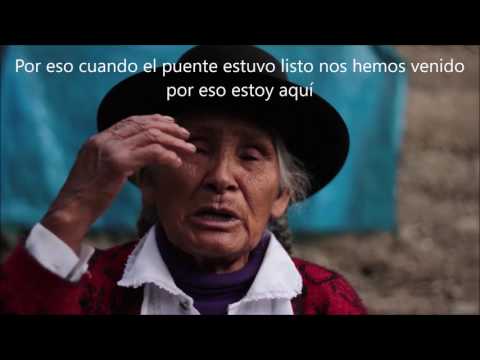
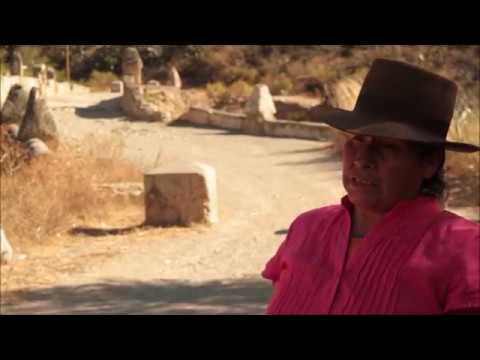
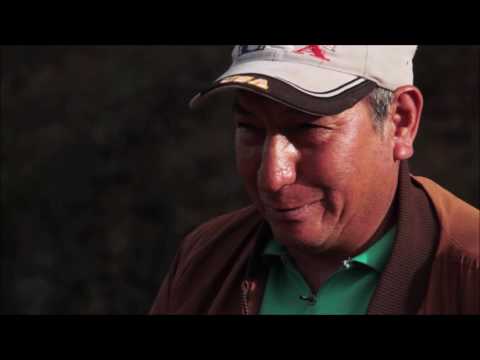
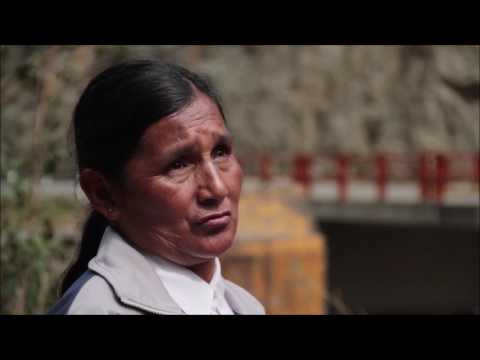
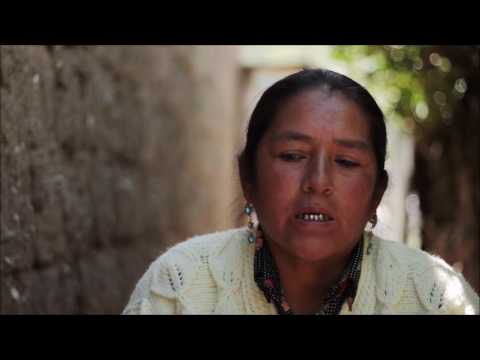
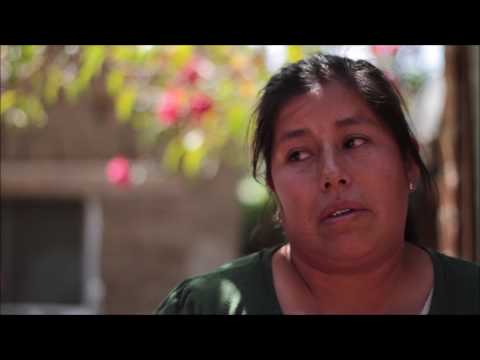
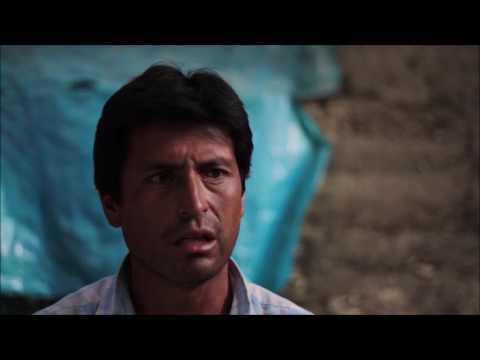
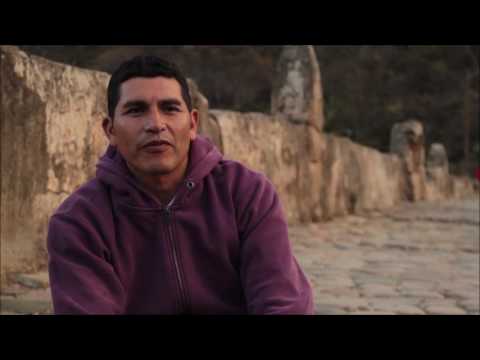
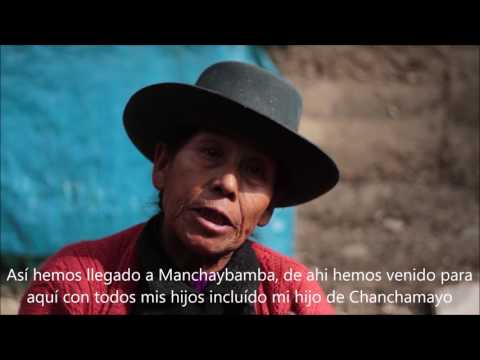
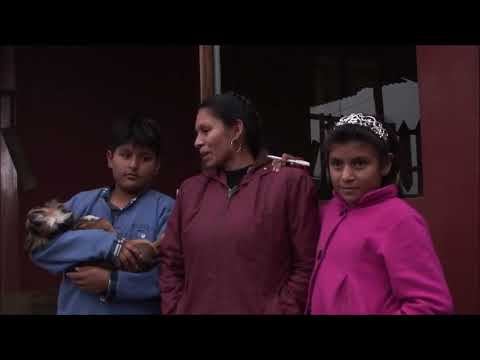
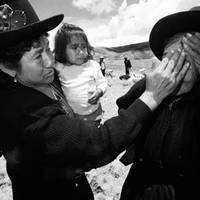
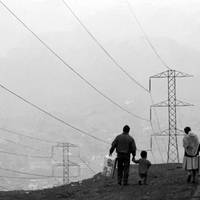
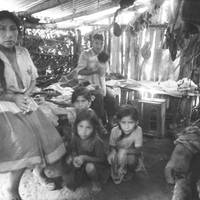
The Ministerio de la Mujer y Poblaciones Vulnerables (MIMP), which is responsible for national population and internal migration policy and for the prevention, protection, and care of internally displaced persons …
Books & Articles
35 documents in Truth and Reconciliation Commission - Peru
This post-graduate thesis in anthropology addresses the phenomenon of displacement in Peru and attempts to shed light on the reality experienced by a large sector of the civilian population during …
On May 17, 1980, in Chuschi, Ayacucho, terror was born. In this province whose Quechua name means 'corner of the dead,' the number of those killed and disappeared approaches 26,000, …
In sessions held on February 23 and March 7 of the current year, the Consejo de Reparaciones approved the registration in the Registro Único de Víctimas of the first organized …
By means of a press release dated March 23, 2011, the Consejo de Reparaciones reports that registration of organized groups of internally displaced persons has begun, and that to date …
This document was developed participatively by the regional chapters of the Coordinadora Nacional de Desplazados y Comunidades en Reconstrucción del Perú - CONDECOREP. Its objective is to make available to …
The victims of the internal war that bled our country for more than 20 years would surpass 120,000 people, among the dead, disappeared, tortured, raped, and displaced, said Jairo Rivas, …
The National Registry for Displaced Persons currently comprises 5,001 displaced persons who are in the process of resettlement in the cities of Huancayo, Lima, Ica, Puno, Ayacucho, and Apurímac — …
The 2006 Peace Census was prepared by the Ministerio de la Mujer y Desarrollo Social (MIMDES), through the Dirección General de Desplazados y Cultura de Paz (DGDCP), at the request …
Displacement is a relatively new phenomenon in Peru. It is a new type of migration whose determining factor is political violence. Unlike traditional migration, displacement is characterized by being forced, …
This preliminary record is the result of the Census for Peace conducted in the years 2001, 2002, and 2003. It comprises three lists of dead, tortured, disappeared, widows, disabled persons, …
"Your passport, Sir!" It was 1965 and I had just landed in Lima, the capital of Peru, the first stop on my way to the Andes, where I was to …
This preliminary record is the result of the Census for Peace conducted in 2006. It comprises three lists of dead, tortured, disappeared, widows, disabled persons, displaced authorities, deceased, affected organizations, …
Project Counselling Service (PCS) organized an international seminar "Experiences of Displaced Populations from Colombia, El Salvador, Guatemala and Peru" on March 26-27, 2003, during which the situation of displaced persons …
The aspects highlighted in this research involve the variables of natural population growth: fertility, mortality, nuptiality, and migration. The research aims to generate new knowledge from a demographic perspective, based …
The book is composed of two parts. The first consists of three chapters. The first chapter briefly recounts the vicissitudes and the origin of the idea to write the book, …
Hatun Willakuy reproduces the main ideas and findings of the Report of the Comisión de la Verdad y Reconciliación (CVR). It was prepared by the CVR's Handover Commission, commissioned by …
With the publication of the book "Los desplazados en el Perú," the CICR aims to contribute to the efforts of many organizations and of the affected people themselves to place …
In order to make the issue of internal displacement easy to understand, this university thesis has been structured in three parts, which offer a panorama of all the issues surrounding …
Why publish the CVR report on the impact of 20 years of political violence on children in Peru? The answer is simple: no one can doubt that it was precisely …
The purpose of this work is to analyze to what extent the ethnic and gender affiliations of the populations affected by the violence influenced the way they experienced it and …
During the development of this event, motions were presented for each of the topics, which, after debates and with contributions, observations, and suggestions, were approved; these constituting proposals, conclusions, agreements, …
For more than a decade the district of Ayahuanco, located to the north of the Ayacucho province of Huanta, was ravaged by political violence. As a result, a great number …
The fifteen years of war with nearly thirty thousand dead, more than three thousand disappeared, at least half a million displaced, and several hundred who were recovered have profoundly shaken …
In mid-1992, thousands of Peruvian men and women were seeking at the embassies of numerous countries a saving passport to flee; many left due to lack of work and fear, …
The fifteen years of war with nearly thirty thousand dead, more than three thousand disappeared, at least half a million displaced, and some hundreds of recovered individuals have profoundly shaken …
This report is an approximation of the topic: the correlation between the variable of political violence and population displacement in Peru between 1980 and 1997, based on records from the …
It was 11:30 at night on August 29, and Ramón Guillén, owner of a pharmacy in San Miguel, was asleep while just a few meters from the Plaza de Armas …
The work consists of four chapters. The first addresses the socioeconomic context of Ayacucho before and after the emergence of violence. The second chapter describes the socioeconomic and cultural characteristics …
CONAPO and CER, with the sponsorship of FNUAP, organized this roundtable to which individuals and representatives of institutions involved in work with displaced populations were invited, as well as representatives …
"This document presents a synthesis of the research carried out by the Centro de Promoción y Desarrollo Poblacional-CEPRODEP, enriched by contributions from national specialists at successive events. The research is …
A woman from Huamanga, the capital of Ayacucho, was asked by a cousin if he could stay in her house one evening. Even though she knew her cousin was said …
This DIA cable lists several recent terrorist attacks by Sendero Luminoso and the effects they have had in the province of Satipo. As a result of the attacks, refugees are …
Showing 1–35 of 35 documents
Timeline Events 6
-
Thematic workshop on displaced persons
Thematic workshop conducted by the Truth and Reconciliation Commission with displaced population in Satipo, Junín. During the workshop, participants shared testimonies about the consequences of the internal armed conflict in their communities. They discussed issues related to forced displacement, the loss of local authorities and the disintegration of the social …
1 media 9 docs -
Thematic workshop for displaced persons and ronderos
Thematic workshop organized by the Truth and Reconciliation Commission (TRC) with displaced people and ronderos in Tingo Maria. During the workshop, testimonies were collected on the increase of common crime in the areas affected by the internal armed conflict. Participants expressed the difficulties in controlling common criminals and the need …
1 media 11 docs -
Attack on Ccarhuapampa group of displaced people
The Ccarhuapampa group of displaced people, where many Uchuraccaínos had fled after attacks on their community, was attacked by the Shining Path PCP in 1988. During the attack, several people were killed. The attackers used axes to kill the victims, hitting them in the head. This attack was part of …
4 docs -
Appointment of Major Miguel Seminario Ayacuchano as head of Chapi military base.
Major Miguel Seminario Ayacuchano was appointed head of the Chapi military base between October and December 1987, marking a significant change in the army's attitude toward the civilian population. Unlike his predecessors, Major Ayacuchano prohibited the beatings of detainees, torture and extrajudicial executions that had characterized previous military operations in …
-
Massacre in Chakiqmayo gorge
In April 1984, near Huallhua in the Chakiqmayo ravine, a group of displaced people from Tastabamba, Huallhua and Oronqoy were brutally murdered. Those responsible for this massacre were the Andahuaylas security forces and the Mollebamba ronderos. The victims were displaced civilians seeking refuge in the area during the internal armed …
5 docs -
Formation of the multicommunal village of Ccarhuapampa
Families from ten communities gathered in Ccarhuapampa, on the outskirts of the city of Tambo, forming the first multi-communal village of displaced people. Later, other families from Uchuraccay and Iquicha joined them. From the beginning, Ccarhuapampa was organized around its Civil Defense Committee according to a military logic: the CDC …
4 media 7 docs
Photos & Videos 28
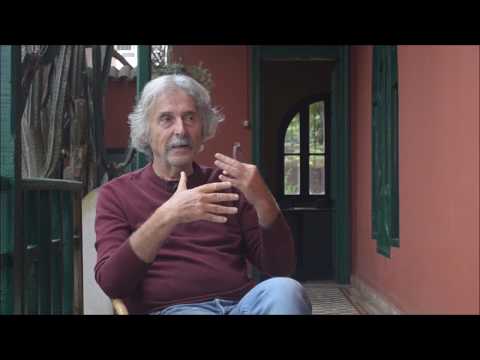
Interview with Marks Willem
Island - Documentary
Testimony of Juana Bustos Huamaní
Testimony of Eugenia Altamirano Huamán
Testimony of Cirila Súñiga Quispe
Testimony of Faustina Huamán Junco
Testimony of Agripina Pedraza Martínez
Testimony of Evaristo Contreras Huamán
Testimony of Gladis Felicitas Tello Merino
Testimony of Cecilia Barrios Alarcón
Testimony of Eugenia Quispe Sánchez
Testimony of Simeón Alarcón Santi
Testimony of Víctor Sánchez Marca
Warmicha (Women) - Documentary
Jaynapuncha Pajarin (Yesterday and tomorrow)
Lirio Qasa - Song
Testimony of Toribia Casa Carrasco
Testimony of Igidia Arullca Oscco
Paths - Documentary
Courageous women - Documentary
Manzana lote - Documentary
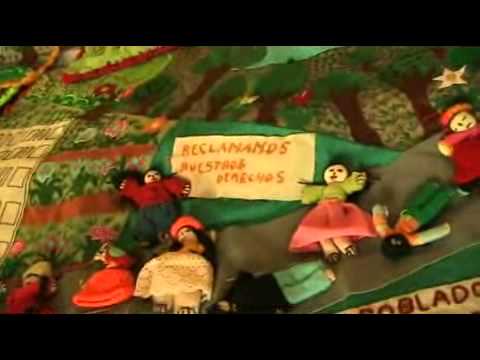
Other memories: Mama Quilla. Arpilleras from Huaycán
CVR public hearings: thematic hearing on displaced communities. November 2002
2000
RETURN TO THE LAND
2000
DISPLACED PERSONS
1984
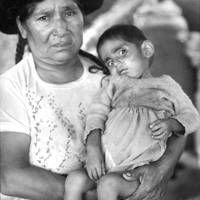
Woman holding a malnourished child.
1984
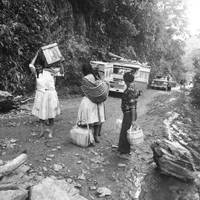
A group of Ayacuchan residents flee their community with their belongings
1984