La Cantuta
Place
Perú Lima

La Cantuta

Timeline Events 61

  1. Derogation of Law 12502 and Student Protests at La Cantuta

    In 1960, the derogation of Law 12502 led to the dismissal of Walter Peñalosa Ramella and other professors from La Cantuta, who were considered communists. This action sparked significant student protests involving the entire national teaching body, culminating in a march to Lima. The event highlighted La Cantuta as a …

    La Cantuta, Peru
  2. Promulgation of the Ley Universitaria 23733

    In 1984, the Ley Universitaria 23733, also known as the Alayza-Sánchez law, was enacted in Peru. This law repealed the legal provisions imposed by the military government and restored university autonomy. However, political parties, particularly from the left, used the universities for political gains, leading to a division of power …
    Peru Página 617
  3. La Cantuta sacrifice march in 1987

    In 1987 the great march of sacrifice from La Cantuta to Lima took place, with the participation of between 3000 and 4000 students, led by the university authorities including Milcíades Hidalgo. During the march, the PCP-SL appropriated all the slogans, changing slogans such as 'combat, resist, popular slogan' to 'combat, …
    Desde La Cantuta (Chosica) hasta Lima, Perú Informe CVR, páginas 2405-2406
  4. Police intervention at universities on February 13, 1987

    On February 13, 1987, during the state of emergency and in the middle of the curfew imposed in Lima, around four thousand policemen entered the university residences of three state universities in Lima: San Marcos, Engineering and La Cantuta, in the early hours of the morning. The Minister of the …

    Universidad Nacional Mayor de San Marcos, Universidad Nacional de Ingeniería, Universidad Nacional de Educación (La Cantuta), Lima, Perú Informe CVR, páginas 2409, 2422
  5. San Marcos and La Cantuta Universities raid

    On April 19, 1989, combined Army and police forces carried out a simultaneous raid on the universities of San Marcos and La Cantuta in Lima. More than 500 students were arrested during the operation. This operation was part of the counter-subversive strategy of the APRA government in a context of …

    Lima, Perú Informe CVR
  6. Military intervention in San Marcos and La Cantuta universities

    In the early morning of April 20, 1989, soldiers and police entered San Marcos and La Cantuta universities. This military intervention took place in a context of intensification of the anti-subversive struggle by the APRA government. The operation was part of the actions of the forces of law and order …

    Lima, Perú Informe CVR, página 161
  7. Police intervention at universities on April 20, 1989

    In the early morning of April 20, 1989, joint army and police forces again entered the universities of San Marcos and La Cantuta, arresting more than 500 people. During the process that led to the military intervention (1991-2000), the government proceeded to produce a counter-subversive manual, in which San Marcos …

    Universidad Nacional Mayor de San Marcos, Universidad Nacional de Educación (La Cantuta), Lima, Perú Informe CVR, página 2409
  8. Shining Path political-cultural event broadcast in January 1991.

    On January 26, 1991, a local television station projected a video showing a political and cultural event held inside the UNE, where it could be seen that, with the participation of Shining Path leaders, university students and students from a school paraded carrying flags of the PCP-SL and singing hymns …

    Universidad Nacional de Educación Enrique Guzmán y Valle (La Cantuta), Lima, Perú Informe CVR, página 2410
  9. Military intervention of La Cantuta on May 22, 1991

    La Cantuta was militarily intervened at 3:00 a.m. on May 22, 1991, following a visit by then president Fujimori to the campus. Military troops stormed the university. By then, most of the 300 residents were aware of the situation and had managed to leave the premises beforehand. Among the students …

    Universidad Nacional de Educación Enrique Guzmán y Valle (La Cantuta), Lima, Perú Informe CVR, páginas 2411-2412
  10. Plan Cipango and the Activities of Grupo Colina

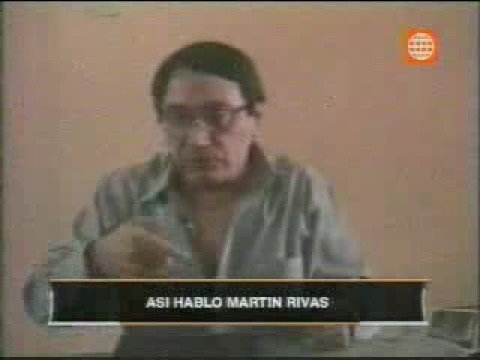
    In August 1991, Santiago Martin Rivas and Carlos Pichilingüe Guevara developed the Plan Cipango, ostensibly to guide the Army Intelligence's operations against subversive elements. However, it is believed to have served as a cover for the activities of the Grupo Colina death squad. The plan's operational areas coincided with locations …

    Lima, Huacho, Huaral, Peru Capítulo: El plan Cipango (p. 138)
  11. Barrios Altos and La Cantuta Massacres

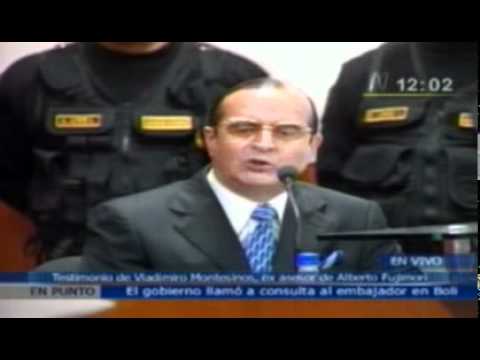
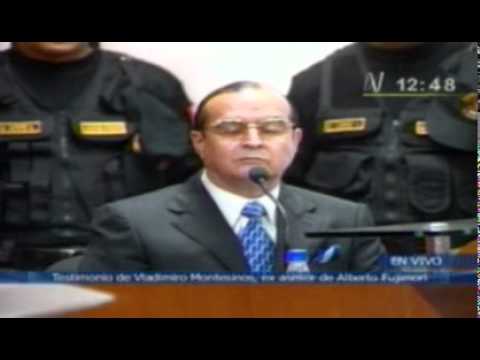
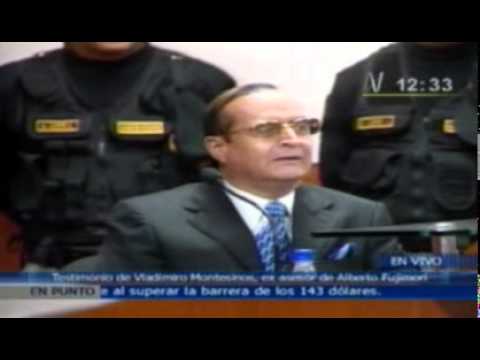
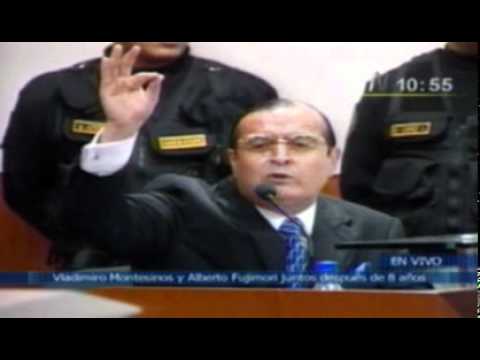
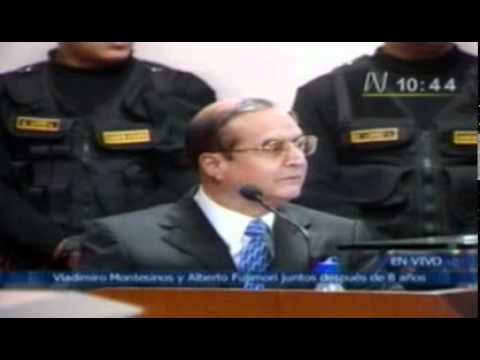
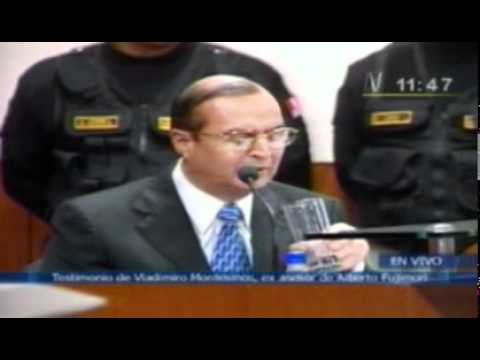
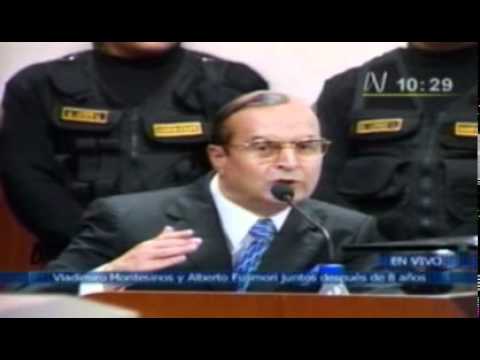
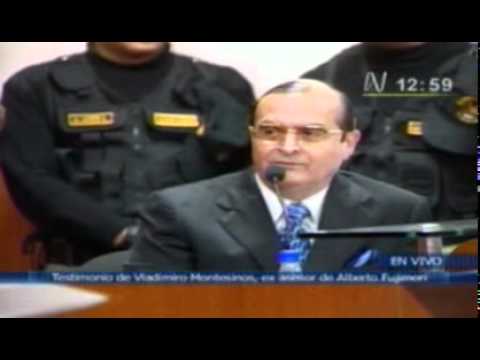
    The Barrios Altos and La Cantuta massacres were carried out by the Colina Group, a death squad within the Peruvian Army, under the influence of Vladimiro Montesinos, the presidential advisor to then-President Alberto Fujimori. These operations were coordinated with high-ranking military officials and involved the use of resources from the …

    Peru
  12. Disappearance and execution of La Cantuta students and professor

    Members of the Colina Detachment are responsible for the disappearance and subsequent execution of 9 students and a professor of the Enrique Guzmán y Valle University, known as La Cantuta. The victims were kidnapped at night on the university campus itself, which was guarded by a military detachment that had …

    Universidad Enrique Guzmán y Valle - La Cantuta, Perú Informe CVR, página 2701
  13. La Cantuta kidnapping and disappearance

    The Colina Group carried out the kidnapping and disappearance of a professor and nine students from La Cantuta in July 1992. This event occurred in the context of the military polarization that followed the coup d'état of April 5, 1992 and was part of the selective assassinations carried out by …

    La Cantuta, Lima, Perú Informe CVR, página 463
  14. La Cantuta Massacre

    In July 1992, the paramilitary group Colina carried out an operation at the Enrique Guzmán y Valle National University, known as 'La Cantuta'. This operation involved the extrajudicial execution of nine students and a university professor. The events took place in a context of extreme violence and after the self-coup …

    Universidad Nacional Enrique Guzmán y Valle, La Cantuta, Lima, Perú Informe CVR, página 377
  15. Barrios Altos Massacre and La Cantuta Case

    The Barrios Altos massacre and La Cantuta case involve the extrajudicial killing of nine students and a professor from the Universidad Nacional de Educación 'Enrique Guzmán y Valle' in July 1992. The Inter-American Court of Human Rights ruled against the Peruvian state for these human rights violations. Despite the court's …

    Peru Página 244
  16. Disappearance of La Cantuta students

    On July 18, 1992, students from the Enrique Guzmán y Valle National University of Education, known as La Cantuta, disappeared. This event occurred in a context of intensifying political violence in the country, a few months after the self-coup of April 5, 1992. The disappearance occurred during the period of …

    La Cantuta, Lima, Perú Informe CVR, página 207
  17. Disappearance of La Cantuta students and teacher

    There was a military raid on the student residence of the Enrique Guzmán y Valle University that ended with the kidnapping and disappearance of nine students and a professor. This operation was carried out by a group of SIE agents not stationed in the area and directed from the SIN, …

    Universidad Enrique Guzmán y Valle, La Cantuta, Lima, Perú Informe CVR, página 764
  18. La Cantuta student massacre

    On July 18, 1992, a military raid on the student residence of the Enrique Guzmán y Valle University (La Cantuta) ended with the kidnapping and disappearance of nine students and a professor of the university. This event occurred in the context of the state of emergency and the intensification of …

    Universidad Enrique Guzmán y Valle (La Cantuta), Chosica, Lima, Perú Informe CVR
  19. Kidnapping and disappearance of La Cantuta teacher and students

    Two days after the Tarata attack, the kidnapping and disappearance of the professor and 9 students of La Cantuta took place. Monsignor Jose Dammert, in his homily for national holidays, referred to the terrible wave of violence and proposed the implementation of sensible military measures that would not lead to …

    Universidad La Cantuta, Lima, Perú Informe CVR, páginas 1078-1079, 1080
  20. La Cantuta Massacre - Kidnapping and murder of students and teacher

    In the early morning of July 18, 1992, nine students (Juan Gabriel Mariño, Bertila Lozano Torres, Dora Oyague Fierro, Robert Teodoro Espinoza, Marcelino Rosales Cárdenas, Felipe Flores Chipana, Luis Enrique Ortiz Perea, Armando Amaro Cóndor and Heráclides Pablo Meza) and professor Hugo Muñoz Sánchez, were kidnapped from the University Housing …

    Universidad Nacional de Educación Enrique Guzmán y Valle (La Cantuta), Lima, Perú Informe CVR, páginas 2415-2416
  21. Murder of La Cantuta students

    On July 18, 1992, university students from La Cantuta were assassinated, accused as terrorists by intelligence agents and the troops installed in the university. This event took place in the context of the militarized intervention of the university since 1991, when military bases were installed in La Cantuta, Huaycán and …

    Universidad Nacional de Educación Enrique Guzmán y Valle (La Cantuta), Lima, Perú Informe CVR (páginas 426-427)
  22. Kidnapping of La Cantuta students and professor

    Between the last hours of July 17 and the early morning of July 18, 1992, members of the Colina Detachment in coordination with members of the military base located at La Cantuta University broke into the university housing. In the presence of fifty witnesses, they kidnapped nine students and one …

    Universidad Nacional de Educación Enrique Guzmán y Valle La Cantuta, Lima, Perú Informe CVR, páginas 3468-3469
  23. La Cantuta Massacre and Subsequent Political and Military Actions

    In 1993, tensions rose in Peru following the disappearance and extrajudicial execution of a professor and ten students from the Universidad Enrique Guzmán y Valle, known as the 'La Cantuta' case. General Nicolás Hermoza Ríos and intelligence advisor Vladimiro Montesinos were accused of maintaining a paramilitary group responsible for this …

    Peru Página 237
  24. La Cantuta Disappearances

    The disappearance of university students from La Cantuta was a significant event involving allegations of forced disappearances and a controversial investigation by the DINCOTE. The police claimed a subversive conspiracy, but evidence and expert analysis suggested possible fabrication of evidence. The case raised doubts about the involvement of the accused …

    La Cantuta, Peru Página 683 del Informe CVR
  25. La Cantuta Case Investigation

    In 1993, the Peruvian Congress approved the creation of a Special Investigation Commission for the 'La Cantuta' case, involving the disappearance and murder of university students and a professor. The investigation sought to interview high-ranking military officials and presidential advisor Vladimiro Montesinos. Despite initial resistance and legal maneuvering by military …

    Peru
  26. Detention and torture of university students in Peru

    During the internal conflict in Peru, university students were detained and tortured on suspicion of terrorism. National universities, especially the Universidad Nacional de Educación Enrique y Valle (La Cantuta) and others, were targeted. In 1993, one witness reported the detention of an individual in Piura, who was accused of terrorism …

    Perú, incluyendo La Cantuta, San Marcos, Callao, Huancayo, Ayacucho, y Piura Chunk 3106.0
  27. Statement by General Hermoza Ríos denying Army involvement in La Cantuta

    General Nicolás Hermoza Ríos went before the investigative commission and emphatically denied that the Army had programmed and executed the operation during which the students and the teacher from La Cantuta were detained. This initial denial was later contradicted by the general himself.

    Congreso de la República, Lima, Perú Informe CVR, página 901
  28. General Rodolfo Robles' public denunciation of Colina group

    On May 6, 1993, General EP (r) Rodolfo Robles Espinoza, third in line in the Peruvian Army, in a public letter accused Army commanders and intelligence advisor Vladimiro Montesinos Torres of maintaining an operational command responsible for crimes against humanity, among them those of Barrios Altos and La Cantuta. In …

    Lima, Perú Informe CVR, página 823
  29. Approval of minority opinion on self-kidnapping in La Cantuta case

    In spite of the evidence of the kidnapping and murder of the students and the professor of La Cantuta, the official majority in Congress approved the minority opinion that sustained the thesis of self-kidnapping. This decision was taken, although it seems incredible, denying the evidence of military participation in the …

    Congreso de la República, Lima, Perú Informe CVR, página 902
  30. La Cantuta graves discovered

    The discovery of the La Cantuta graves gave new impetus to the denunciations of human rights violations. Fujimori's government did not assume responsibility, opting instead for the disqualification of the legitimacy of the denouncers and their permanent harassment. The government will continue with a series of intentional changes in legislation …

    La Cantuta, Lima, Perú Informe CVR, página 76
  31. Graves found in Cieneguilla with remains of La Cantuta victims

    On July 8, 1993, the magazine Sí revealed that the remains of some students from La Cantuta had been buried in the Chavilca ravine, in the district of Cieneguilla. Prosecutor Víctor Cubas Villanueva carried out a verification diligence before representatives of the national and international press, finding buried bone and …

    Quebrada de Chavilca, Distrito de Cieneguilla, Lima, Perú Informe CVR, páginas 3474-3475
  32. La Cantuta Massacre and Subsequent Investigations

    The La Cantuta massacre involved the murder of nine students and a professor from the Universidad La Cantuta, with their bodies discovered on 12 July 1993 in Cieneguilla, Lima. Investigations led by journalists like Ricardo Uceda faced significant challenges, including threats and lack of cooperation from authorities. The event highlighted …

    Cieneguilla, Lima, Peru página 497
  33. Graves found in Huachipa with remains of La Cantuta victims

    On November 2, 1993, the magazine Sí reported that in the early morning of July 18, 1992, the ten bodies of the victims of La Cantuta were initially buried in a hollow located at kilometer 1.5 of the Ramiro Prialé Highway (Huachipa) used by the National Police as a shooting …

    Kilómetro 1.5 de la Autopista Ramiro Prialé, Huachipa, Lima, Perú Informe CVR, página 3475
  34. Investigation and Trial of La Cantuta and Barrios Altos Cases

    In 1994, the government of Alberto Fujimori was compelled to prosecute and convict those responsible for the 'La Cantuta' crime, although the process was deemed unconstitutional due to the involvement of the military court. Despite evidence linking the convicted individuals to the 'Barrios Altos' massacre, the military court irregularly took …

    Peru página 483
  35. Ley Cantuta and Jurisdictional Conflict in Peru

    In February 1994, the Peruvian Congress passed the 'Cantuta Law,' which altered the voting requirements in the Supreme Court to resolve jurisdictional conflicts between military and civilian courts. This law was enacted amidst a legal battle over the prosecution of military officers involved in the 'La Cantuta' case, where nine …

    Peru Chunk 3903.0
  36. Promulgation of the Cantuta Law

    The government enacted the so-called 'Cantuta Law', according to which jurisdictional disputes are understood to be resolved with a simple majority. In practice, this paralyzed the new vote on jurisdiction in the La Cantuta case and the case went directly to military jurisdiction, favoring the impunity of those responsible.

    Lima, Perú Informe CVR, página 902

Showing 1–50 of 61 events

Photos, Videos & Documents 78

Showing 1–50 of 78 items