Timeline Events 209

  1. Opening of road to San Francisco

    The road from Tambo to the port of San Francisco was opened in 1964, accelerating the process of occupation of the valley by peasant settlers from Ayacucho. This road infrastructure allowed the important fair of Tambo, which was the end of the road, to 'drop off' towards the jungle as …

    Tambo a San Francisco, Ayacucho Informe CVR, página 86
  2. Construction of Ayacucho-Tambo-San Francisco highway

    The Ayacucho-Tambo-San Francisco highway was built in 1964, modifying the traditional transit routes in the region. Before its construction, Uchuraccay was an important transit route used by the villagers on their way to the Huanta valleys and the Apurímac jungle. This infrastructure project was part of the road integration process …

    Ayacucho-Tambo-San Francisco, Perú Informe CVR (página no especificada en el fragmento)
  3. Repression of the Movement for Free Education in Ayacucho and Huanta

    In 1969, the movement advocating for free education in Ayacucho and Huanta faced significant repression from the government. This weakened the Frente de Defensa and associated neighborhood organizations. Despite this, the movement found refuge within the University of Huamanga, where it continued to survive and influence the political landscape throughout …

    Ayacucho and Huanta, Peru p. 17
  4. Student Movements in Huanta and Ayacucho

    In 1969, student movements in Huanta and Ayacucho were led by secondary school students influenced by politically active university groups. These movements were primarily focused on defending free education, which was perceived to be under threat by the government of General Juan Velasco Alvarado. This period marked a significant instance …

    Huanta and Ayacucho, Peru página 558
  5. La lucha por la gratuidad de la enseñanza

    In June 1969, the Peruvian military government promulgated decree 006, which reduced the coverage of free education. This led to significant social mobilization, particularly in Ayacucho and Huanta, where the movement became violent with the involvement of peasants. The government's harsh repression and imprisonment of protest leaders ultimately failed to …

    Ayacucho, Huanta, Peru 577
  6. The Huanta Movement and the Reconstitution of the Communist Party

    The entry of law enforcement into the city of Huanta and the subsequent repression of mobilized peasants and students marked a significant event in the history of the Peruvian left. These events were pivotal in the reconstitution of the Communist Party, particularly influencing the faction led by Abimael Guzmán. Despite …

    Huanta, Peru página 578
  7. Fight for free education in Huanta

    In June 1969, the Military Government issued decree 006, which cut the coverage of free education. This measure generated an important social mobilization of rejection in which the presence of the Association of Small Landowners and organizations linked to the Red Flag party stood out. In Ayacucho the struggle was …

    Huanta y Ayacucho, Perú Informe CVR, páginas 2367-2368
  8. PCP-SL militants establish themselves in Uchuraccay

    During the months of July and August 1981, militants of the Communist Party of Peru-Sendero Luminoso led by an individual known as 'Martin' established themselves in Uchuraccay and other neighboring communities. The objective of this presence was to form support bases for the PCP-SL in the area. This was one …

    Uchuraccay, Huanta, Ayacucho, Perú Informe CVR, páginas 170-171
  9. State of emergency declared in five provinces of Ayacucho

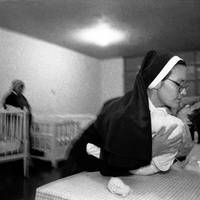
    On October 12, the government decreed a state of emergency in five of the seven provinces of Ayacucho (Huamanga, Huanta, Cangallo, La Mar and Víctor Fajardo) and suspended for sixty days the constitutional guarantees related to individual freedom and security. This was the first time a state of emergency was …
    Huamanga, Huanta, Cangallo, La Mar y Víctor Fajardo, Ayacucho, Perú Informe CVR, página 4743
  10. First state of emergency declared in Ayacucho

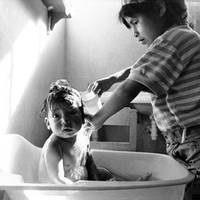
    President Fernando Belaunde Terry declared for the first time a state of emergency in Ayacucho commanded by the FFPP through supreme decree 036-81-IN. The state of emergency was extended for sixty days to five Ayacucho provinces: Huanta, La Mar, Huamanga, Cangallo and Victor Fajardo. General GC Carlos Barreto Bretoneche assumed …
    Ayacucho, Perú Informe CVR, páginas 360-361
  11. State of emergency declared in Ayacucho

    On October 12, 1981, one day after the assault on the El Tambo police post, the President of the Republic, architect Fernando Belaunde Terry, declared a state of emergency in five provinces of the department of Ayacucho: Cangallo, Huamanga, Huanta, La Mar and Víctor Fajardo. This situation implied the suspension …

    Provincias de Cangallo, Huamanga, Huanta, La Mar y Víctor Fajardo, Ayacucho, Perú Informe CVR, página 3263
  12. State of Emergency in Ayacucho provinces

    On October 12, 1981, the Government decreed a State of Emergency in the provinces of Huamanga, Huanta, La Mar, Cangallo and Victor Fajardo, as a consequence of the political violence initiated in the department of Ayacucho in 1980 by the PCP-SL. Initially, the former Civil Guard was in charge of …

    Huamanga, Huanta, La Mar, Cangallo y Víctor Fajardo, Ayacucho, Perú Informe CVR, página 1204
  13. Declaration of emergency in five provinces of Ayacucho

    On October 12, 1981, Supreme Decree 026-81-IN was promulgated by which five provinces of the department of Ayacucho were declared in a state of emergency: Huamanga, Huanta, Cangallo, La Mar and Víctor Fajardo. This declaration of emergency was used as a pretext to put a damper on the rapid increase …

    Huamanga, Huanta, Cangallo, La Mar y Víctor Fajardo, Ayacucho, Perú Informe CVR, páginas 161, 171
  14. Declaration of a state of emergency in Ayacucho

    The government placed five of the seven provinces of Ayacucho - Huamanga, Huanta, Cangallo, La Mar and Victor Fajardo - under a state of emergency, suspending constitutional guarantees regarding individual freedom for 60 days. This presidential decision included the suspension of guarantees, but not the entry of the Armed Forces.

    Huamanga, Huanta, Cangallo, La Mar y Víctor Fajardo, Ayacucho, Perú Informe CVR, páginas 472-473
  15. State of emergency in five provinces of Ayacucho

    On October 12, 1981, the Peruvian government decreed a state of emergency in five of the seven provinces of the department of Ayacucho: Huamanga, Huanta, La Mar, Cangallo and Victor Fajardo. This measure was established in response to the increase in PCP-Sendero Luminoso actions, particularly after the attack on the …

    Provincias de Huamanga, Huanta, La Mar, Cangallo y Víctor Fajardo, Ayacucho Informe CVR, páginas 68-69
  16. State of emergency declared in five Ayacucho provinces

    The government declared a state of emergency in five of the seven provinces of Ayacucho (Huamanga, Huanta, Cangallo, La Mar and Victor Fajardo), suspended for 60 days the constitutional guarantees related to individual freedom and security, and sent the counter-subversive police detachment of 'los sinchis' to Ayacucho. The disinformation of …

    Ayacucho, Perú Informe CVR, página 259
  17. Attacks on Police Posts by PCP Sendero Luminoso

    In 1982, the PCP Shining Path launched attacks on police posts in Tambo, Huancasancos, and Huanta, causing police forces to retreat to nearby capitals. These attacks were part of a broader strategy by Sendero Luminoso to strengthen their guerrilla warfare efforts, as evidenced by a document from their Central Committee. …

    Tambo, Huancasancos, Huanta, Peru Página 126 (referencias 15-19)
  18. Attack on police post in Luricocha

    In March 1982, the PCP-Sendero Luminoso attacked the police post in Luricocha, Huanta province. This attack was part of the Shining Path strategy of attacking police posts in rural areas to weaken the presence of the State. The event is framed in the initial period of political violence in Ayacucho, …

    Luricocha, Huanta, Ayacucho Informe CVR, página 83
  19. Attack on San Miguel de Mayocc police post

    On October 4, 1982, PCP-SL militants attacked the police post in the district of San Miguel de Mayocc. This attack was part of a series of harassments of police posts that increased at the end of 1982 in the districts of Churcampa and Tayacaja. The attacks were aimed at eliminating …

    San Miguel de Mayocc, Churcampa, Huancavelica, Perú Informe CVR, página 218
  20. Murder of twelve residents of Pumahuasi

    In December 1982, the PCP-Sendero Luminoso killed twelve villagers in Pumahuasi, also known as Rumichaca, in the district of Santillana, province of Huanta. This event is part of a series of murders perpetrated by Sendero Luminoso in the highland communities of Huanta during that period. The murders took place in …

    Pumahuasi (Rumichaca), Santillana, Huanta, Ayacucho Informe CVR, página 83
  21. Multi-communal Iquichan rebellion against the Shining Path

    Towards the end of 1982 and the beginning of 1983, the Iquichan communities in the highlands of the province of Huanta staged a multi-communal rebellion against the Shining Path. This open confrontation was unleashed by the Shining Path and their disregard for the cultural and ethnic reality of the community. …

    Alturas de la provincia de Huanta, Ayacucho, Perú Informe CVR, página 4179
  22. Twelve people murdered in Ccarhuaurán

    In December 1982, the PCP-SL assassinated twelve people in Ccarhuaurán, Santillana district, Huanta province. This event is part of the PCP-SL's strategy to liberate the countryside through threats, dismissals and assassinations of local authorities and civilian population. The rondas of Qarhuahurán (as also mentioned in the text) were among the …

    Ccarhuaurán, Santillana, Huanta, Ayacucho Informe CVR
  23. Assassination of authorities of Huaychao by PCP-SL

    The Communist Party of Peru-Sendero Luminoso assassinated the president and lieutenant governor of the community of Huaychao in December 1982. This was part of a series of assassinations of peasant leaders in neighboring communities in the highlands of Huanta province. These assassinations were a determining factor that led the communities …

    Huaychao, Huanta, Ayacucho, Perú Informe CVR, p. 171
  24. Murder of Alejandro Huamán Leandro in Uchuraccay

    In December 1982, the PCP-SL assassinated the president of the community of Uchuraccay, Alejandro Huamán Leandro. This assassination was part of a systematic strategy of the PCP-SL to eliminate local authorities accused of representing state power. The assassination occurred in the same month that the president and lieutenant governor of …

    Uchuraccay, Huanta, Ayacucho Informe CVR
  25. Entry of the Armed Forces to Ayacucho

    The first 450 Army reinforcements were sent to Ayacucho and the three battalions that had been barracked were deployed. On December 29, the entry of the Armed Forces in the fight against subversion was made official. The Marine Infantry also entered. With the establishment of the Political Military Command (CPM), …

    Ayacucho, Perú Informe CVR, páginas 374-375
  26. Internal Control Order to Armed Forces in Ayacucho

    On December 29, 1982, Supreme Decree 068-82 IN was issued ordering the Armed Forces to assume internal control of the Department of Ayacucho. The command was assigned to General Roberto Clemente Noel Moral. This measure was taken in the context of increased violence by the PCP-Sendero Luminoso and marked the …

    Ayacucho, Perú Informe CVR, páginas 161-186
  27. Entry of the Armed Forces to the counter-subversive fight in Ayacucho

    On December 27, 1982, President Belaunde gave an ultimatum of 72 hours for the terrorists to surrender their weapons before the armed forces took control of the emergency zone. General Roberto Clemente Noel y Moral was appointed as Chief of the Political Military Command of the Emergency Zone and on …

    Ayacucho, Perú Informe CVR, páginas 251, 261
  28. Entrustment of the Armed Forces for internal control in Ayacucho

    On December 29, 1982, through Supreme Decree 068-82-IN, the Peruvian government instructed the Armed Forces to assume internal control in five Ayacucho provinces. This decision marked a turning point in the internal armed conflict, transferring the responsibility of public order control from the National Police to the Armed Forces. The …

    Provincias de Huamanga, Huanta, Cangallo, La Mar y Víctor Fajardo, Ayacucho, Perú Informe CVR, páginas 130-131
  29. Armed Forces take control of internal order in Ayacucho

    On December 29, 1982, the government extended the state of emergency and entrusted the control of internal order to the Armed Forces. In January 1983, the Political Military Command was established in Ayacucho. The province of Huanta remained under the control of the Navy until part of 1985, when the …

    Ayacucho, Perú Informe CVR, páginas 1204-1205
  30. Declaration of State of Emergency in Peru

    On 29 December 1982, President Belaunde of Peru declared a state of emergency in several provinces, including Huanta, La Mar, Cangallo, Víctor Fajardo, Huamanga, and parts of Huancavelica and Apurímac. This decision was made in response to increasing violence and armed actions by the PCP-SL, including attacks on police posts …

    Provinces of Huanta, La Mar, Cangallo, Víctor Fajardo, Huamanga, Huancavelica, and Apurímac, Peru Pg. 370-376 (referencias a El Peruano, El Comercio, El Diario, La Prensa de 1980-1981)
  31. Establishment of the Marine Barracks at Huanta

    In 1983, the Peruvian Navy Barracks was established in the Huanta Stadium, Ayacucho. During the operation of this barracks, serious human rights violations were committed, including systematic sexual violations against detainees. A witness testified that during his detention there, he witnessed how a peasant woman of approximately 40 years of …

    Estadio de Huanta, Provincia de Huanta, Departamento de Ayacucho, Perú Informe CVR, página 315
  32. Rape and murder of two women in Iguaín farm by PCP-SL

    An armed group dressed in civilian clothes broke into the Iguaín hacienda. The men entered the house and took out two girls. First they raped them and then shot them to death. The bodies of the victims were found with obvious signs of rape and execution.

    Hacienda Iguaín, provincia de Huanta, departamento de Ayacucho, Perú Informe CVR, página 2827
  33. Period of counter-subversive military campaign 1983-1985

    During this period, a counter-subversive military campaign with inadequate strategy resulted in numerous human rights violations. Military operations began on December 30, 1982. The number of extrajudicial executions and various human rights violations reached catastrophic proportions in proportion to the size of the population in the area. Clandestine detention and …

    Ayacucho, Huancavelica, Apurímac, Perú Informe CVR, páginas 467-484
  34. Murders of 135 community members of Uchuraccay

    During the months following the murder of the journalists in January 1983, Uchuraccay continued to be the scene of violence, death and desolation. One hundred and thirty-five community members were killed as a result of attacks by the Communist Party of Peru - Shining Path, repression by counter-subversive forces and …

    Uchuraccay, Huanta, Ayacucho, Perú Informe CVR
  35. Huaychao Massacre - Iquichanos kill hikers

    The Iquichanos in the heights of Huanta killed seven hikers in the community of Huaychao, as a reaction to the assassination of communal authorities. The authorities of Huaychao, such as the Lieutenant Governor, Varayocc and Municipal Agent, began to argue with the Senderistas, telling them that they were members of …

    Huaychao, Huanta, Ayacucho, Perú Informe CVR, páginas 268-269
  36. Uchuraccay community members kill five members of the PCP-SL

    In the midst of an escalation of violence unleashed by the PCP-Sendero Luminoso, which included the assassination of community president Alejandro Huamán in late 1982, Uchuraccay villagers killed five members of the PCP-SL in mid-January 1983. This event was part of a broader inter-communal rebellion in the Huanta highlands, where …

    Uchuraccay, Huanta, Ayacucho, Perú Informe CVR, pp. 161-186
  37. Peasants assassinate 24 PCP-SL militants in the highlands of Huanta

    During the second and third week of January 1983, in various towns in the highlands of Huanta, community members led by their authorities captured and killed 24 militant members of the PCP-SL. This event occurred in the context of an inter-communal rebellion against Shining Path, after the PCP-SL had assassinated …

    Alturas de Huanta, Ayacucho, Perú Informe CVR, p. 171
  38. Marine Infantry Installation in Huanta

    In January 1983, the Marine Infantry took control of the province of Huanta as part of the intervention of the Armed Forces in Ayacucho. This military installation took place during the first weeks of January, after the government instructed the Armed Forces to assume internal control in five Ayacucho provinces …

    Huanta, Ayacucho, Perú Informe CVR, p. 130
  39. Entry of the Armed Forces in Ayacucho

    In January 1983, the Armed Forces took control of the counter-subversive struggle in Ayacucho through the installation of the political-military command. The new head of the political-military command of Ayacucho, General Clemente Noel Moral, arrived in the region with the idea, shared by the "hard" sectors of the army, of …

    Ayacucho Informe CVR, páginas 72-73
  40. Murder of hikers in Huaychao

    In January 1983, community members of Huaychao, in the highlands of the province of Huanta, killed seven Shining Path members in reaction to the assassination of community authorities. This action represents one of the first violent responses of peasant communities to the authoritarian project of the PCP-Sendero Luminoso. The event …

    Huaychao, Huanta, Ayacucho Informe CVR
  41. Events in Carhuarán Town Center

    The text of the CVR report mentions the town of Carhuarán in the district of San José de Santillana, Province of Huanta, Department of Ayacucho during 1983. However, the document does not provide specific details about the events that occurred in this locality. The reference appears in a list of …

    Centro Poblado de Carhuarán, Distrito de San José de Santillana, Provincia de Huanta, Departamento de Ayacucho Informe CVR
  42. Violent Reaction Against PCP-SL in Huanta

    In January 1983, a significant violent reaction against the Shining Path (PCP-SL) occurred in the highlands of Huanta, Peru. The local community of Huaychao retaliated against the PCP-SL by killing seven of its members in response to the murder of their communal authorities. This event marked a turning point in …

    Huanta, Peru Capítulo: El inicio de la violencia: 1980-1982, página 90

Showing 1–50 of 209 events

Photos, Videos & Documents 80

Showing 1–50 of 80 items

Sub-entities 3