Huancavelica
Place
Perú

Huancavelica

Timeline Events 214

  1. Decrease in the EAP in Ayacucho and Huancavelica between census periods

    Between census periods, the economically active population (EAP) in Ayacucho decreased from 154,000 to 131,000 people, and in Huancavelica from 107,000 to 104,000. This decrease was mainly due to the impact of the internal armed conflict in these regions, which were the most affected by violence. The reduction of the …

    Ayacucho y Huancavelica, Perú Informe CVR, página 4352
  2. PCP-SL contact with mining settlements in Huancavelica

    By the last months of 1980, the PCP-SL had already made contact with some mining settlements in Huancavelica, specifically those located near the department of Ayacucho. The mining centers contacted were Cobriza, Julcani and La Mejorada, located in the provinces of Churcampa and Angaraes respectively. This contact was relatively early …

    Cobriza, Julcani y La Mejorada, Huancavelica, Perú Informe CVR, página 198
  3. Violence and Human Rights Violations in Ayacucho

    In May 1980, the burning of ballot boxes by Shining Path (Sendero Luminoso) in Chuschi marked the beginning of a period of intense political violence in Ayacucho, Peru. This violence soon spread to neighboring regions such as Apurímac and Huancavelica. The response from the state included harsh counterinsurgency measures by …

    Ayacucho, Peru BDI-II-P668
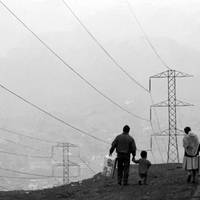
  4. Demolition of high voltage tower in Huancavelica

    On July 28, 1980, a high tension tower was knocked down in the district of Huancavelica, representing the first action carried out by militants of the PCP-SL in the department of Huancavelica. This action marked the beginning of political violence in the province of Huancavelica, occurring almost simultaneously with the …

    Distrito de Huancavelica, Huancavelica, Perú Informe CVR, página 210
  5. Attack against High Voltage towers in Angaraes

    In December 1980, there was an attack on the high voltage towers that left the entire province of Angaraes in darkness. This type of sabotage to the electrical infrastructure was one of the initial tactics used by the Shining Path in their campaign of political violence. The attack was part …

    Provincia de Angaraes, Huancavelica, Perú Informe CVR
  6. Explosion in Santa Ana police station

    On January 19, 1981, an explosive charge went off in the police station located in the Santa Ana neighborhood of Huancavelica. This attack was part of the first actions of the PCP-Sendero Luminoso in the department of Huancavelica, which had begun its operations in July 1980 with the demolition of …

    Barrio de Santa Ana, Huancavelica, Perú Informe CVR, página 210
  7. Shining Path incursion in Huancavelica mining centers

    In December 1981, Shining Path carried out raids in three important mining centers in the department of Huancavelica: Cobriza, Julcani and La Mejorada. During these raids, the Shining Path took abundant explosive material from the mining facilities. This action was part of the first Shining Path operations in the mining …

    Cobriza, Julcani y La Mejorada, Huancavelica, Perú Informe CVR, página 217 (Cronología de la violencia política en los centros mineros de la Sierra Central del Perú)
  8. Rape in Manyac

    In 1982, in the community of Manyac, district of Anta, province of Acobamba, department of Huancavelica, a case of rape was recorded. The event is mentioned in the context of rapes of women who had some kind of link with actors in the internal armed conflict. The case is documented …

    Comunidad de Manyac, Distrito de Anta, Provincia de Acobamba, Departamento de Huancavelica Informe CVR, página 359
  9. Installation of military bases in Huancavelica

    In 1982, the Peruvian army installed military bases in the districts of Castrovirreyna and Santa Inés in the department of Huancavelica. These military installations were established in the context of the internal armed conflict and the presence of the Shining Path in the region. The bases were strategically located in …

    Castrovirreyna y Santa Inés, Huancavelica, Perú Informe CVR, página 198
  10. Taking of Ñuñungayo

    On July 11, 1982, a group of subversives of the PCP-Sendero Luminoso took the town of Ñuñungayo, located in the district of Vilca, province of Huancavelica. During this raid, the Shining Path militants assaulted the village's communal store. This action is part of the first "town seizures" that the PCP-SL …

    Ñuñungayo, distrito de Vilca, provincia de Huancavelica, Perú Informe CVR, página 210
  11. Molotov cocktail bomb attack on SAIS Huancavelica

    On July 22, 1982, subversives of the PCP-SL threw Molotov cocktails against the materials warehouse of the SAIS "Huancavelica". This attack was part of the initial actions of the PCP-SL in the department of Huancavelica during the first years of the internal armed conflict. The attack was specifically directed against …

    Huancavelica, Perú Informe CVR (página no especificada en el fragmento)
  12. Andahuaylas declared an emergency area

    The province of Andahuaylas was declared an emergency zone on August 6, 1982 due to the increase in the actions of the PCP-Sendero Luminoso in the region. This province, which borders the department of Ayacucho, was part of the main Regional Committee of the PCP-SL, made up of the departments …

    Provincia de Andahuaylas, Apurímac, Perú Informe CVR, páginas 260-261
  13. Installation of military base in Castrovirreyna

    In October 1982, a military base was installed in the province of Castrovirreyna, department of Huancavelica. The objective of this military base was to control the mining centers in the area, specifically Caudalosa Grande, Caudalosa Chica and San Genaro. The installation of this base was part of the Peruvian State's …

    Castrovirreyna, Huancavelica, Perú Informe CVR, página 217
  14. Intensification of actions by PCP-SL in Paucarbamba and Colcabamba

    On December 12, 1982, it was reported that the PCP-SL was intensifying its actions in the districts of Paucarbamba (province of Huancavelica) and Colcabamba (province of Tayacaja). The actions included dynamite attacks and death threats against local authorities. This intensification was part of the initial expansion of PCP-SL operations in …

    Paucarbamba (Huancavelica) y Colcabamba (Tayacaja), Huancavelica, Perú Informe CVR
  15. Assault on Colqui mine

    On December 23, 1982, a contingent of PCP-SL militants assaulted the Colqui mine, located in the district of Huancavelica. During this assault, the subversives seized 1500 sticks of dynamite. This action was part of a broader PCP-SL strategy that included sabotage to the Mantaro electric transmission network, the destruction of …

    Mina Colqui, distrito de Huancavelica, Huancavelica, Perú Informe CVR, página 210
  16. Confrontation in Maraypata, Churcampa

    On December 27, 1982, the inhabitants of the Maraypata annex in Churcampa clashed with a group of the PCP-Sendero Luminoso who wanted to punish them for having formed peasant patrols. In the confrontation, several subversives died and were buried nearby. This event represents one of the first cases of organized …

    Maraypata (anexo), Churcampa, Huancavelica, Perú Informe CVR
  17. Declaration of State of Emergency in Peru

    On 29 December 1982, President Belaunde of Peru declared a state of emergency in several provinces, including Huanta, La Mar, Cangallo, Víctor Fajardo, Huamanga, and parts of Huancavelica and Apurímac. This decision was made in response to increasing violence and armed actions by the PCP-SL, including attacks on police posts …

    Provinces of Huanta, La Mar, Cangallo, Víctor Fajardo, Huamanga, Huancavelica, and Apurímac, Peru Pg. 370-376 (referencias a El Peruano, El Comercio, El Diario, La Prensa de 1980-1981)
  18. Military Intervention in Ayacucho and Huancavelica

    On 30 December 1982, the Peruvian government initiated a military intervention to combat subversive activities in Ayacucho and Huancavelica. Under the command of General Clemente Noel Moral, the intervention aimed to recover territorial control from the PCP-SL. The strategy involved deploying forces to protect threatened populations, control arms and explosives, …

    Ayacucho and Huancavelica, Peru p. 262
  19. Armed Forces enter Ayacucho emergency zone

    Around 2,000 Army troops went into action in the emergency zone. The government ordered the intervention of the Armed Forces in the anti-subversive struggle under the command of General Clemente Noel Moral. The national security subzone E was reorganized, covering 5 provinces of Ayacucho and all of Huancavelica, extending the …

    Ayacucho, Perú Informe CVR, páginas 475, 479
  20. FFAA takes control of emergency zones in Ayacucho

    On December 31, 1982, the Armed Forces assumed internal control of the department of Ayacucho in the face of a growing wave of attacks. A total of 2,000 military troops took possession of the provinces declared in a state of emergency, starting with the rural areas. This decision was precipitated …

    Ayacucho Informe CVR, páginas 68-69
  21. Counter-subversive Base in Churcampa

    At the end of 1983, the Army installed a counter-subversive base in the provincial capital of Churcampa, as part of the military strategy to counteract the actions of the PCP-Sendero Luminoso in the region. This base was added to another previously installed in the locality of Millpo, in the high …

    Churcampa, Huancavelica, Perú Informe CVR, páginas 218-221
  22. Creation of the Political-Military Command

    In January 1983, the Political-Military Command was installed in the provinces of Ayacucho, Huancavelica and Apurímac as a response of the Peruvian State to the expansion of the Shining Path. This measure implied the entry of the Armed Forces into the areas affected by subversive violence. The Command established a …

    Perú (Ayacucho, Huancavelica, Apurímac) Informe CVR, páginas 199-221
  23. Shining Path begins political work in Huancavelica mining unions

    During the first months of 1983, the Shining Path began its political work in the mining unions of Huancavelica. This political incursion allowed them to easily acquire explosive material from the mining centers in the region. SL's political work in the unions was part of their strategy to penetrate the …

    Huancavelica, Perú Informe CVR, p. 217
  24. Installation of Counter-Subversive Bases in Ayacucho and Surrounding Provinces

    In 1983, the Peruvian government established a political-military command in Ayacucho and the provinces of Huancavelica and Apurímac to combat subversive activities by the PCP-SL. The army set up a base in Pampas, Tayacaja, which became the center for counter-subversive operations. The installation of these bases led to increased military …

    Ayacucho, Huancavelica, Apurímac, Peru p. 218
  25. Installation of military base in Churcampa

    In 1983, a military base was installed in Churcampa, department of Huancavelica. This installation was part of the Peruvian State's counterinsurgency strategy against the advance of the PCP-Sendero Luminoso in the region. The military base was established in the context of the constant strikes and strikes by miners in 1982, …

    Churcampa, Huancavelica, Perú Informe CVR, p. 198
  26. Human Rights Violations by PCP-SL in Huancavelica

    In 1983, the Shining Path (PCP-SL) was reported to have committed severe human rights violations in the region of Huancavelica, Peru. These included sexual violence against women and girls amidst other crimes. The phrase 'Sendero was walking, killing and raping' captures the terror inflicted by the group during this period.

    Huancavelica, Peru CVR Testimonio 735011; Comunidad de Chaynabamba, distrito de Acobamba, departamento de Huancavelica, 1983
  27. Military Control and Media Pressure in Ayacucho and Huancavelica

    In January 1983, the armed forces assumed control over the regions of Ayacucho and Huancavelica in Peru. This period saw increased pressure from the government and military on the press in conflict areas, alongside actions to influence public perception. The regional press adopted the government's labeling of PCP-SL members as …

    Ayacucho and Huancavelica, Peru p. 537
  28. Withdrawal of PCP-SL from Manta and Vilcas

    The Communist Party of Peru-Sendero Luminoso withdrew from the area of Manta and Vilcas in the department of Huancavelica during 1983. This withdrawal coincided with the installation of a military base in the area. The movement of the PCP-SL from this area was part of a moment of advance of …

    Manta y Vilcas, Huancavelica, Perú Informe CVR, p. 185
  29. Confrontation between PCP Sendero Luminoso and Government Forces in Huancavelica

    In 1983, the region of Huancavelica in Peru experienced intense conflict between the PCP Sendero Luminoso and government forces. The Shining Path employed a strategy of vacating rural areas and targeting authorities, leading to direct confrontations with government forces. In December 1983, near Acobamba, around one hundred suspected subversives were …

    Huancavelica, Peru p. 108
  30. Progress of the PCP-SL in the SAIS Cahuide area

    The PCP-SL experienced a first moment of advance in the area of the SAIS Cahuide between 1983 and 1984, coinciding with its withdrawal from the area of Manta and Vilcas (Huancavelica) in 1983 when a military base was installed. The first PCP-SL incursion into SAIS Cahuide took place in December …

    SAIS Cahuide, Junín, Perú Informe CVR, páginas 183-185
  31. Confrontation in Pampas

    On January 15, 1983, one of the first confrontations between the subversive forces of the PCP-SL and an Army patrol took place in a spot in the district of Pampas, province of Tayacaja. This confrontation occurred shortly after the installation of the Political Military Command in Ayacucho and Huancavelica and …

    Pampas, Tayacaja, Huancavelica, Perú Informe CVR, página 219
  32. Curfew in Campo Armiño, Colcabamba and Quichuas

    On January 21, 1983, the Army decreed a curfew in the towns of Campo Armiño, Colcabamba and Quichuas, where the Mantaro dam is located. This measure was taken in anticipation of an incursion by PCP-SL forces against the strategic installations of the hydroelectric plant. The curfew was part of the …

    Campo Armiño, Colcabamba, Quichuas, Tayacaja, Huancavelica, Perú Informe CVR, página 219
  33. Ambush in Jala

    On March 22, 1983, shortly after the installation of the Political Military Command in Huancavelica, an Army patrol ambushed a contingent of 25 subversives of the PCP-SL in Jala, district of Vilca. In the confrontation 24 Shining Path members were killed. This military action temporarily contained the expansion of subversive …

    Jala, distrito de Vilca, provincia de Huancavelica, Perú Informe CVR, página 212
  34. Installation of military base in Totos

    Between April 4 and 6, 1983, Peruvian Army helicopters arrived in the town of Totos, took possession of the local educational center and established a military base. The base operated under the command of the 43rd Motorized Infantry Battalion from Huancavelica, which depended on the Cangallo barracks. After settling in, …

    Totos, Cangallo, Ayacucho, Perú Informe CVR, página 3313
  35. Arrest of suspected subversives in Huancavelica

    A major police operation was carried out in the city of Huancavelica on July 24, 1983. The operation was characterized by the number of police personnel involved and the significant number of people detained. More than forty people were arrested during this operation, accused of being alleged subversives or collaborators …

    Ciudad de Huancavelica, Huancavelica, Perú Informe CVR, página 212
  36. First killings and attacks in Acobamba and Llamacancha

    In August 1983, the first murders of peasants took place in the Acobamba area. During this same period, subversive groups dynamite the Acobamba courthouse. In the community of Llamacancha, the attackers attacked 5 houses and several public buildings. These events mark the beginning of direct violence against the civilian population …

    Acobamba y Llamacancha, Huancavelica, Perú Informe CVR
  37. Lifting of state of emergency

    On September 9, 1983, Premier Fernando Schwalb Lopez Aldana announced that the government had decided to lift the state of emergency in the country. However, this measure did not apply to the provinces under military control in Ayacucho, Huancavelica and Apurimac, where the state of emergency continued. The state of …

    Perú (excepto provincias bajo control militar en Ayacucho, Huancavelica y Apurímac) Informe CVR, página 79
  38. Confrontation in Acobamba

    On October 30, 1983, a significant confrontation occurred in Acobamba, Huancavelica, between presumed subversives and police forces. This clash resulted in over 20 deaths and 15 injuries, including 4 police officers. Most of the victims were reportedly innocent peasants, highlighting the intense violence and socio-political turmoil in the region during …

    Acobamba, Huancavelica, Peru
  39. Clash in Acobamba with more than 20 deaths

    On October 30, 1983 in Acobamba, alleged subversives clashed with members of the Civil Guard, leaving more than 20 dead and 15 wounded. Most of the victims were innocent peasants who were caught in the crossfire. This confrontation occurred in a context where Sendero Luminoso had intensified its actions in …

    Acobamba, Huancavelica, Perú Informe CVR
  40. Hikers clash with combined patrol of FFAA and Police in Acobamba

    In December 1983, an armed confrontation took place between elements of the Shining Path and a combined patrol of the Armed Forces and the Police in Acobamba, Huancavelica. The confrontation resulted in several deaths on both sides. This event occurred in a context of intensifying violence in the area, where …

    Acobamba, Huancavelica, Perú Informe CVR
  41. Assault on Tucle, Laive and Antapongo

    On December 11, 1983, villagers from various communities in the districts of Vilca, Manta and Acobambilla (province of Huancavelica) were gathered by militants of the PCP-Sendero Luminoso in Vilca. The subversives organized these villagers as a 'mass' to assault three Production Units of SAIS Cahuide: Tucle, Laive and Antapongo, located …

    Tucle, Laive y Antapongo (Unidades de Producción de la SAIS Cahuide), distrito de Chongos Alto, provincia de Huancayo, Junín, Perú Informe CVR, páginas 210-211
  42. Shining Path attack to Cobriza mining center

    On January 1, 1984, the Shining Path attacked the Cobriza mining center in Huancavelica. During the attack, the Shining Path looted the commercial stores and dynamite warehouses of the mining center. This attack was part of the incursions that Shining Path carried out in the mining centers of Huancavelica to …

    Centro minero de Cobriza, Huancavelica, Perú Informe CVR, p. 217
  43. Kidnapping, rape and murder of a young woman in Carhuancho

    The affiant's daughter was kidnapped by members of the PCP-SL who violently entered her house. The next day, the villagers told him that his daughter's body had been found lying on the ground. He found his daughter dead with her hands tied, her body half naked, her face and chest …

    Anexo de Carhuancho, distrito de San Pedro de Coris, provincia de Churcampa, departamento de Huancavelica, Perú Informe CVR, página 2828

Showing 1–50 of 214 events

Photos, Videos & Documents 67

Showing 1–50 of 67 items

Sub-entities 5