Timeline Events 91

  1. Predominance of the University Reform Front (FRU) at San Antonio Abad University.

    Between 1946 and 1958, in a long period of 12 years, the so-called University Reform Front (FRU) predominated in the University San Antonio Abad del Cuzco. This front was led by the youth of the Peruvian Aprista Party. The RUF had its main stronghold in the students from Apurímac. This …

    Universidad San Antonio Abad del Cuzco (UNSAAC), Cuzco, Perú Informe CVR, página 252
  2. Construction of Ayacucho-Tambo-San Francisco highway

    The Ayacucho-Tambo-San Francisco highway was built in 1964, modifying the traditional transit routes in the region. Before its construction, Uchuraccay was an important transit route used by the villagers on their way to the Huanta valleys and the Apurímac jungle. This infrastructure project was part of the road integration process …

    Ayacucho-Tambo-San Francisco, Perú Informe CVR (página no especificada en el fragmento)
  3. Internal Conflict in the Central Jungle of Peru

    In 1980, the Peruvian government initiated the 'Paraíso Terrenal' colonization plan, leading to the migration of various groups into the Apurímac forest. This period saw increased conflict in the central jungle region, with the presence of insurgent groups such as the MRTA and PCP-SL. The local communities, including native Asháninkas …
    Central Jungle of Peru, including Satipo, Chanchamayo, and Oxapampa página 226
  4. Violence and Human Rights Violations in Ayacucho

    In May 1980, the burning of ballot boxes by Shining Path (Sendero Luminoso) in Chuschi marked the beginning of a period of intense political violence in Ayacucho, Peru. This violence soon spread to neighboring regions such as Apurímac and Huancavelica. The response from the state included harsh counterinsurgency measures by …
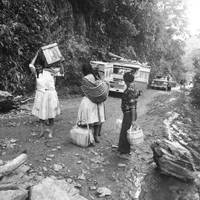
    Ayacucho, Peru BDI-II-P668
  5. Apurimac, Cuzco and Puno population census

    The 1981 census recorded the population of three departments in the southern Peruvian Andes: Apurímac with 323,346 inhabitants, Cuzco with 716,369 inhabitants and Puno with 701,026 inhabitants. This census served as a baseline to measure population growth until the next census in 1993. The data revealed that Apurimac was considered …

    Apurímac, Cuzco y Puno, Perú Informe CVR
  6. Andahuaylas declared an emergency area

    The province of Andahuaylas was declared an emergency zone on August 6, 1982 due to the increase in the actions of the PCP-Sendero Luminoso in the region. This province, which borders the department of Ayacucho, was part of the main Regional Committee of the PCP-SL, made up of the departments …

    Provincia de Andahuaylas, Apurímac, Perú Informe CVR, páginas 260-261
  7. Assault on Civil Guard post in Erapata

    On October 1, 1982 there was an assault on the Civil Guard post located in Erapata, district of Vilcabamba, province of La Convención, Quillabamba. During this attack, one Civil Guard died. This event is part of the first armed actions of the PCP-Sendero Luminoso in the Apurimac river valley area. …

    Erapata, Vilcabamba, Quillabamba Informe CVR, página 101
  8. Extension of the state of emergency in Ayacucho and Apurimac

    In November 1982, the Peruvian government extended the state of emergency in the departments of Ayacucho and Apurímac due to the wave of violence unleashed by the Shining Path. This measure had been initially implemented in March 1982 when guarantees were suspended in the province of Andahuaylas. The extension of …

    Ayacucho y Apurímac Informe CVR, página 110
  9. Declaration of State of Emergency in Peru

    On 29 December 1982, President Belaunde of Peru declared a state of emergency in several provinces, including Huanta, La Mar, Cangallo, Víctor Fajardo, Huamanga, and parts of Huancavelica and Apurímac. This decision was made in response to increasing violence and armed actions by the PCP-SL, including attacks on police posts …

    Provinces of Huanta, La Mar, Cangallo, Víctor Fajardo, Huamanga, Huancavelica, and Apurímac, Peru Pg. 370-376 (referencias a El Peruano, El Comercio, El Diario, La Prensa de 1980-1981)
  10. Creation of the province of Chincheros

    On December 30, 1982, the province of Chincheros was created, dividing the former province of Andahuaylas in the department of Apurimac. This creation took place in a context of intensification of the internal armed conflict in the area, since the province of Andahuaylas had been declared an emergency zone on …

    Chincheros, Apurímac, Perú Informe CVR, página 261
  11. Creation of the Political-Military Command

    In January 1983, the Political-Military Command was installed in the provinces of Ayacucho, Huancavelica and Apurímac as a response of the Peruvian State to the expansion of the Shining Path. This measure implied the entry of the Armed Forces into the areas affected by subversive violence. The Command established a …

    Perú (Ayacucho, Huancavelica, Apurímac) Informe CVR, páginas 199-221
  12. Installation of Counter-Subversive Bases in Ayacucho and Surrounding Provinces

    In 1983, the Peruvian government established a political-military command in Ayacucho and the provinces of Huancavelica and Apurímac to combat subversive activities by the PCP-SL. The army set up a base in Pampas, Tayacaja, which became the center for counter-subversive operations. The installation of these bases led to increased military …

    Ayacucho, Huancavelica, Apurímac, Peru p. 218
  13. Confrontation in Pampas

    On January 15, 1983, one of the first confrontations between the subversive forces of the PCP-SL and an Army patrol took place in a spot in the district of Pampas, province of Tayacaja. This confrontation occurred shortly after the installation of the Political Military Command in Ayacucho and Huancavelica and …

    Pampas, Tayacaja, Huancavelica, Perú Informe CVR, página 219
  14. Curfew in Campo Armiño, Colcabamba and Quichuas

    On January 21, 1983, the Army decreed a curfew in the towns of Campo Armiño, Colcabamba and Quichuas, where the Mantaro dam is located. This measure was taken in anticipation of an incursion by PCP-SL forces against the strategic installations of the hydroelectric plant. The curfew was part of the …

    Campo Armiño, Colcabamba, Quichuas, Tayacaja, Huancavelica, Perú Informe CVR, página 219
  15. Detention and torture in the community of Cocairo by combined forces

    On March 3, 1983, nine people from the community of Cocairo were detained by combined forces of the Civil Guard, Republican Guard and soldiers from the Los Chancas barracks in Andahuaylas. At the Los Chancas barracks, the detainees were beaten and mistreated in various ways. They remained in the barracks …

    Comunidad de Cocairo, distrito de Caquiabamba, provincia de Andahuaylas, departamento de Apurímac, Perú Informe CVR, página 2782
  16. Lifting of state of emergency

    On September 9, 1983, Premier Fernando Schwalb Lopez Aldana announced that the government had decided to lift the state of emergency in the country. However, this measure did not apply to the provinces under military control in Ayacucho, Huancavelica and Apurimac, where the state of emergency continued. The state of …

    Perú (excepto provincias bajo control militar en Ayacucho, Huancavelica y Apurímac) Informe CVR, página 79
  17. Lucmahuayco razing

    In the first half of 1984, there were mass killings of Lucmahuayco villagers by law enforcement and ronderos. The town, located on the right bank of the Apurimac a few kilometers upriver from Quillabamba, was razed to the ground because, according to the Inkawasi ronderos, it was "a Shining Path …

    Lucmahuayco, Vilcabamba, La Convención, Cuzco Informe CVR (páginas 92-96)
  18. Seizure of Villa Virgen and Pomabamba

    In May 1984, the towns of Villa Virgen and Pomabamba were taken over by the PCP-Sendero Luminoso. This event is part of the expansion of violence in the department of Apurimac during 1984, when the internal armed conflict began its upward trend in the southern Andes. The seizures of these …

    Villa Virgen y Pomabamba, Apurímac, Perú Informe CVR, página 263
  19. Assault on Pilcas and murder of 35 campesinos

    On May 15, 1984, militants of the PCP-SL (Shining Path) attacked the town of Pilcas, located in the province of Andahuaylas, department of Apurimac. During this attack, the subversives killed 35 peasants. This event took place in the context of the Second Military Campaign of the PCP-SL, which took place …

    Pilcas, provincia de Andahuaylas, Apurímac Informe CVR (página 87)
  20. Retreat and territorial expansion of Sendero Luminoso (Shining Path)

    Between 1985 and 1987, the PCP-Sendero Luminoso entered a stage of retreat after the violent state repression in Ayacucho and penetration into other social and geographic spaces. It sought to generate support bases and expand its actions in the central, northeastern and southern Andean regions and in the cities. It …

    Regiones central, nororiental y sur andina, Perú Informe CVR, página 205
  21. Sexual violations in Toraya

    In 1985, in the district of Toraya, Aymaraes province, department of Apurimac, cases of rape were registered. The report mentions this specific location in the context of an enumeration of places where sexual violations occurred during the internal armed conflict. Although the document does not provide specific details about the …

    Distrito de Toraya, Provincia Aymaraes, Departamento de Apurímac Informe CVR, página 160
  22. Displacement and Hardship in Apurímac during the Internal Conflict

    In 1986, survivors from the Base of Miraflores relocated to Pucallacta as the Base of Yerbabuena was abandoned. Facing extreme hunger, a group of 27 victims returned to Chapi in search of food and decided to surrender to the military. The local population suffered from violence perpetrated by both subversives …

    Apurímac, Peru CVR. Testimonio 202014. Chungui, La Mar, 22 de marzo de 2003
  23. Intensification of hiker actions in Apurimac

    Between 1986 and 1987, at the height of the boom in the links between coca leaf producers and drug-trafficking buyers, the Shining Path columns intensified their actions in Apurímac. This intensification would help, according to PCP-SL claims, to enter a new and superior stage called 'strategic balance'. This second stage …

    Valle del río Apurímac, Apurímac Informe CVR, página 100
  24. Murders in Aymaraes

    Between February and April 1986, the PCP-Sendero Luminoso carried out a series of assassinations in various communities in the province of Aymaraes. These violent actions marked the first continuous violent actions of the PCP-SL in the Apurimac region. In the following months until July, the attacks and confrontations extended to …

    Provincia de Aymaraes, Apurímac, Perú Informe CVR (página no especificada en el fragmento)
  25. Massacres in Toraya, Lucre and Colcabamba

    Between February and April 1986, the first massacres of peasants took place in the towns of Toraya, Lucre and Colcabamba, located in the province of Aymaraes, department of Apurimac. These massacres marked the beginning of the internal armed conflict in the highland provinces of Apurimac. The process of internal armed …

    Toraya, Lucre y Colcabamba, provincia de Aymaraes, Apurímac, Perú Informe CVR
  26. PCP-SL confrontation with the Army in Soccos

    On July 7, 1986, the PCP-SL had its first confrontation with the Army in Soccos, province of Aymaraes, department of Apurimac. This confrontation took place in the context of a series of violent actions by the PCP-SL that had begun between February and April 1986 with assassinations in various communities …

    Soccos, Aymaraes, Apurímac, Perú Informe CVR (página 121)
  27. Confrontation in Soccos

    On July 7, 1986, the first confrontation between the PCP-Sendero Luminoso and the army took place in the department of Apurimac, specifically in Soccos, Aymaraes province. This event marked an important milestone in the escalation of the internal armed conflict in the Apurimac region. Four days later, on July 11, …

    Soccos, Aymaraes, Apurímac, Perú Informe CVR, página 268
  28. Kidnapping and rape of young woman resulting in pregnancy

    The affiant's daughter was kidnapped from her home and forced to accompany the hikers on their trips. She remained with them for three months. When she was able to escape, she was pregnant as a result of rape. The case is evidence of kidnapping, servitude and rape by PCP-SL.

    Comunidad de Pucahuasi, distrito de Sañayca, provincia de Aymaraes, departamento de Apurímac, Perú Informe CVR, página 2827
  29. Ayaorcco Massacre

    A police patrol chasing a PCP-SL column entered the community of Ayaorcco, province of Abancay, Apurimac. The police killed 13 people because they believed they were supporting the subversives. This event occurred in the context of episodes of violence in the south of the country, shortly before the beginning of …

    Ayaorcco, provincia de Abancay, Apurímac Informe CVR, página 121
  30. Murder of Prefect Victor Urbiola Valer

    On August 9, 1987, the PCP-Sendero Luminoso assassinated the prefect of Abancay, Víctor Urbiola Valer, who was a militant of the Peruvian Aprista Party. This assassination took place in the context of the victory of the PAP in the general and municipal elections, after which the authorities of this party …

    Abancay, Apurímac, Perú Informe CVR, página 263
  31. Attack by the PCP-SL in Chuquibambilla

    On September 12, 1987, members of the PCP-SL raided the district of Chuquibambilla, Apurimac province. During the attack, the subversives attacked multiple targets in the district, including the police post, the jail, the Municipality and the Municipal Library. In the assault on the police post, they killed three policemen and …

    Chuquibambilla, Apurímac, Perú Informe CVR, página 135
  32. Attack on Chuquibambilla barracks

    On September 12, 1987, the PCP-Sendero Luminoso attacked the police post in Chuquibambilla, capital of the province of Grau in Apurimac. This attack was part of an escalation of violence in the department during 1987, a period in which the authorities of the Peruvian Aprista Party became the focus of …

    Chuquibambilla, provincia de Grau, departamento de Apurímac, Perú Informe CVR, página 263
  33. Disappearances at the Santa Rosa Military Base (Checcasa)

    Members of the Peruvian Army stationed at the Santa Rosa Military Base committed serious human rights violations against 17 inhabitants of the communities of Checcasa, Sallalli, Amoca and Ihuayllo. The people were arbitrarily detained during military patrols between December 1987 and January 1988, subjected to torture and to date are …

    Comunidades de Checcasa, Sallalli, Amoca e Ihuayllo, Base Militar de Santa Rosa, Aymaraes, Apurímac, Perú Informe CVR, páginas 3504-3510
  34. Detenciones y Desapariciones Forzadas en Apurímac

    In January 1988, several individuals, including Armando Huamantingo Villanueva and members of the Niño de Guzmán family, were arbitrarily detained by the military in Apurímac, Peru. The detentions were followed by torture and forced disappearances, with some bodies later found in mass graves. Military authorities issued false communiqués about clashes …

    Apurímac, Perú Chunk 3938.0
  35. Military communiqué on fake confrontation

    EP Colonel Victor Ernesto Marquez Torres, Political Military Chief of Apurimac, issued a communiqué stating that on January 14, 1988 there had been a confrontation between Army personnel and subversives, resulting in the death of Armando Huamantingo Villanueva, Juan Pablo Carbajal, Manuel Niño de Guzman Ayvar, Leandro Pareja Tapia, Simona …

    Apurímac, Perú Informe CVR, página 3509

Showing 1–50 of 91 events

Photos, Videos & Documents 45

Showing 1–45 of 45 items

Sub-entities 2