Barrios Altos
Place
Perú Lima

Barrios Altos

Timeline Events 58

  1. Dynamiting of premises in several districts

    On August 1, 1981, multiple simultaneous bombings took place in different parts of Lima. The targets included 4 premises of Acción Popular (AP), 3 of them located in San Martin and Barrios Altos, as well as 3 Peace Courts and the ESAL Office in Villa el Salvador. These attacks were …

    Lima, Perú Informe CVR, página 414
  2. Creation of the Human Settlement José Carlos Mariátegui

    The human settlement José Carlos Mariátegui was established following a land occupation on 14 October 1984 by 200 families from overcrowded alleys in Barrios Altos and Callao. These families, facing rising rents, organized to secure their own land. The state agency ENACE approved the lot division and began settling the …

    Lima, Peru Chunk 1818.0
  3. Land takeover AH José Carlos Mariátegui

    The José Carlos Mariátegui Human Settlement arose as a result of a land seizure carried out on October 14, 1984, by a group of 200 families from the shantytowns of Barrios Altos and Callao. The families, faced with rising rents, organized themselves and decided to have their own land in …

    San Juan de Lurigancho, Lima, Perú Informe CVR, página 430
  4. Lotization AH José Carlos Mariátegui

    AH José Carlos Mariátegui arose as a result of a land seizure carried out on October 14, 1984, by a group of 200 families from the shantytowns of Barrios Altos and Callao. The families, faced with rising rents, organized themselves and decided to have their own land in this area. …

    San Juan de Lurigancho, Lima, Perú Informe CVR, página 430
  5. Dynamite attack against soldiers in Barrios Altos

    On June 3, 1989, the PCP-Sendero Luminoso carried out a bomb attack against soldiers of the "Húsares de Junín" regiment in the district of Barrios Altos, Lima. The attack resulted in the death of seven soldiers. This attack took place in a context of intensification of subversive actions in the …

    Barrios Altos, Lima, Perú Informe CVR
  6. Dynamite attack in Barrios Altos

    Seven soldiers of the Húsares de Junín regiment were killed after a bomb attack in Barrios Altos, Lima. As a result of the intense police and Peruvian Army actions, more than fifteen thousand people were arrested during the gigantic operation. This attack took place in a context of intensified political …

    Barrios Altos, Lima, Perú Informe CVR, página 164
  7. Military incursion in Huaycán

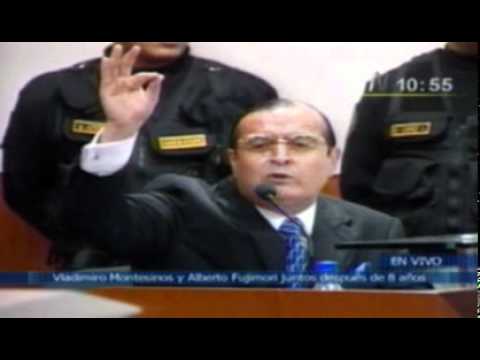
    On June 16, 1989, 1,000 Peruvian Army soldiers raided the human settlement of Huaycán. During the military operation, the armed forces detained more than 800 people, identified as undocumented and suspected of committing terrorist acts. This action took place in the context of intense police and military operations that were …
    Huaycán, Lima, Perú Informe CVR, página 165
  8. The Barrios Altos Massacre

    In 1991, the Barrios Altos Massacre shocked Peru as it marked the first mass killing of civilians in the capital amidst escalating political violence in urban centers. The massacre led to a Senate Human Rights Commission hearing on November 10, 1991, where former Interior and Defense Ministers were questioned but …

    Barrios Altos, Lima, Peru página 479
  9. Barrios Altos Massacre and Subsequent Investigations

    On June 1, 1991, several individuals were detained in Barrios Altos, Lima, Peru, under accusations of terrorism. This event was linked to the activities of a paramilitary death squad known as the 'Destacamento Colina,' which was reportedly connected to state intelligence services. Investigations into these activities were met with resistance …
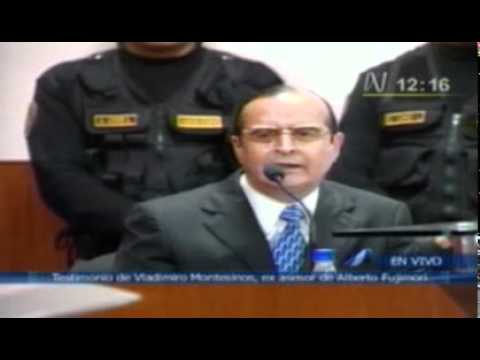
    Barrios Altos, Lima, Peru p. 482
  10. Plan Cipango and the Activities of Grupo Colina

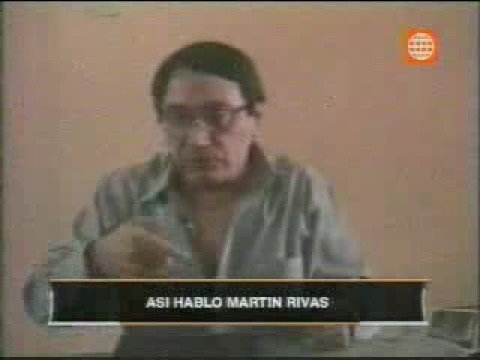
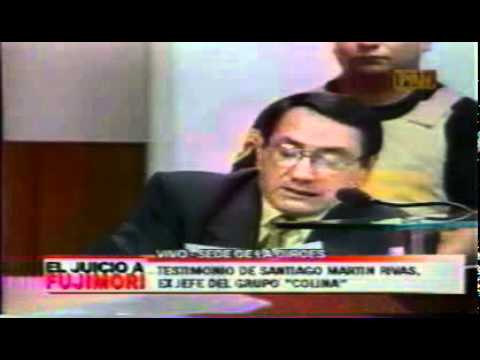
    In August 1991, Santiago Martin Rivas and Carlos Pichilingüe Guevara developed the Plan Cipango, ostensibly to guide the Army Intelligence's operations against subversive elements. However, it is believed to have served as a cover for the activities of the Grupo Colina death squad. The plan's operational areas coincided with locations …
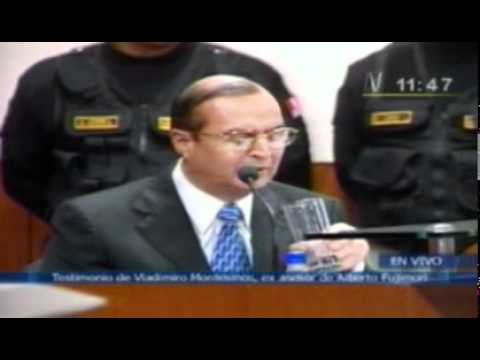
    Lima, Huacho, Huaral, Peru Capítulo: El plan Cipango (p. 138)
  11. Murder of fifteen people in Barrios Altos

    On November 3, 1991, the Colina detachment executed fifteen people in Barrios Altos, Lima. The operation was carried out by heavily armed Peruvian army personnel wearing ski masks. The victims were executed indiscriminately with firearms with silencers, regardless of sex or age. The indiscriminate fire killed 11 adult males, 3 …
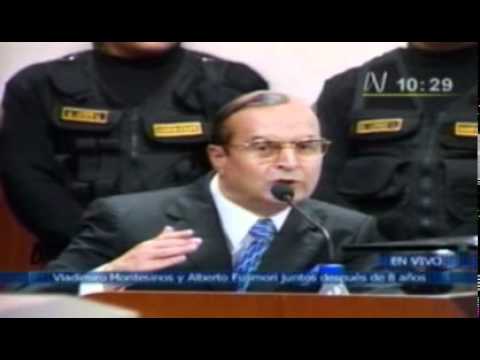
    Barrios Altos, Lima, Perú Informe CVR, páginas 815-816, 820
  12. Barrios Altos Massacre by Colina Group

    On November 3, 1991, the Colina Group murdered 16 people who were participating in a pollada in Barrios Altos, leaving four others seriously wounded. This was the first event for which the Colina Group became known to the public. The Colina Group was a death squad that operated as part …

    Barrios Altos, Lima, Perú Informe CVR, página 463
  13. Subpoena of former ministers to the Senate on Barrios Altos

    On November 10, 1991, the Senate Human Rights Commission summoned former Ministers of the Interior and Defense, Generals Juan Briones Davila and Victor Malca Villanueva, to report on the Barrios Altos massacre. The ministers presented three hypotheses about the perpetrators (Shining Path, MRTA or outside organizations) but categorically denied the …

    Senado de la República, Lima, Perú Informe CVR, páginas 3702-3703
  14. Second appearance of ministers before the Senate

    On November 15, 1991, the Ministers of the Interior and Defense appeared again before the Senate Committee. General Briones Davila denied the existence of the 'Ambulant Operations Plan' and the 'Lima Sheraton Surveillance Post', based on documents from DIRCOTE and the General Staff of the Armed Forces. In view of …

    Senado de la República, Lima, Perú Informe CVR, páginas 3703-3704
  15. Barrios Altos and La Cantuta Massacres

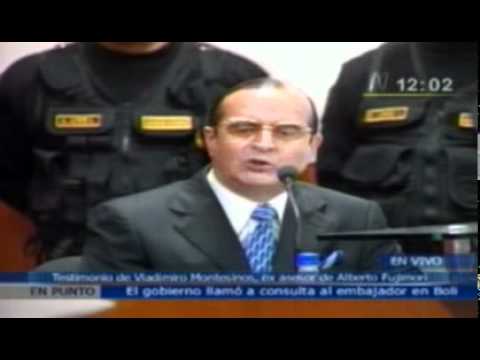
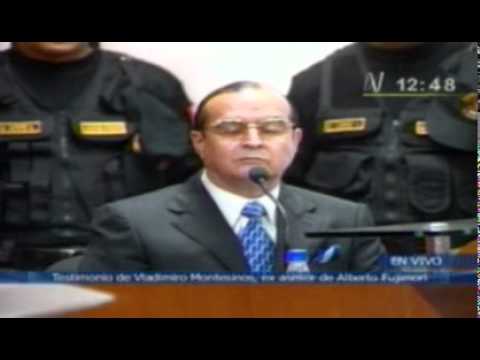
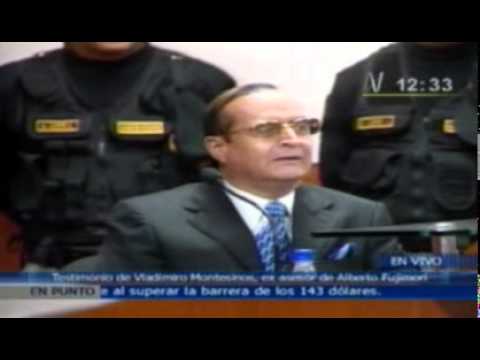
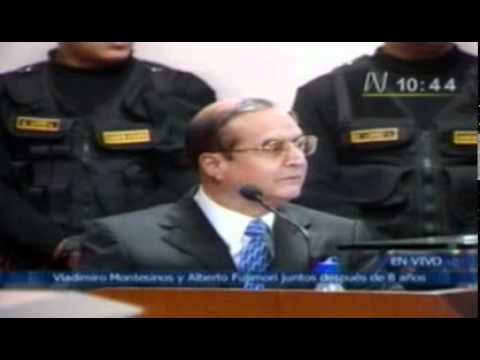
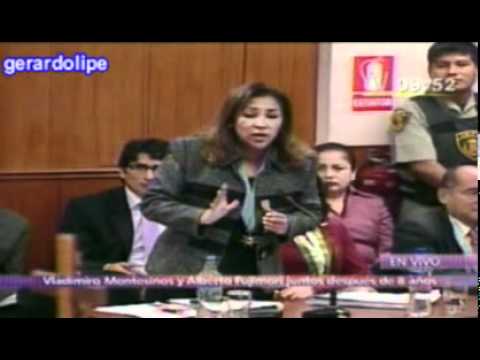
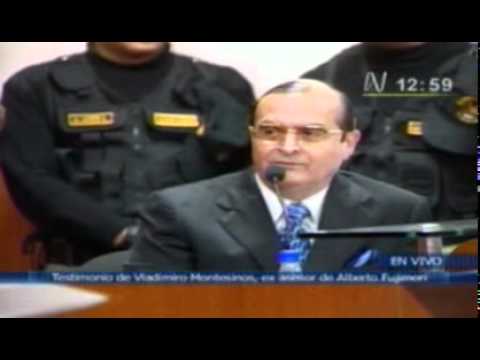
    The Barrios Altos and La Cantuta massacres were carried out by the Colina Group, a death squad within the Peruvian Army, under the influence of Vladimiro Montesinos, the presidential advisor to then-President Alberto Fujimori. These operations were coordinated with high-ranking military officials and involved the use of resources from the …

    Peru
  16. Fujimori's self-coup and dissolution of Congress

    On April 5, 1992, President Alberto Fujimori, with the support of the Armed Forces and the police, dissolved the Congress of the Republic, intervened in the Judicial Power and installed an unconstitutional regime known as the 'Government of Emergency and National Reconstruction'. When the military coup perpetrators closed the Congress, …

    Lima, Perú Informe CVR, página 3704
  17. Barrios Altos Massacre and Subsequent Political Events

    The Barrios Altos massacre involved the killing of several individuals in a district of Lima, Peru, and was linked to anti-terrorism operations by state forces. Following the massacre, a commission was formed by the Senate to investigate the incident. However, the investigation was halted when President Alberto Fujimori dissolved the …

    Barrios Altos, Peru p. 481
  18. Barrios Altos Massacre and La Cantuta Case

    The Barrios Altos massacre and La Cantuta case involve the extrajudicial killing of nine students and a professor from the Universidad Nacional de Educación 'Enrique Guzmán y Valle' in July 1992. The Inter-American Court of Human Rights ruled against the Peruvian state for these human rights violations. Despite the court's …

    Peru Página 244
  19. La Cantuta kidnapping and disappearance

    The Colina Group carried out the kidnapping and disappearance of a professor and nine students from La Cantuta in July 1992. This event occurred in the context of the military polarization that followed the coup d'état of April 5, 1992 and was part of the selective assassinations carried out by …

    La Cantuta, Lima, Perú Informe CVR, página 463
  20. Denunciation of the Barrios Altos Massacre and La Cantuta Disappearances

    On 5 May 1993, General Rodolfo Robles Espinoza publicly denounced that the Barrios Altos massacre and the disappearances at the Universidad Nacional de Educación Enrique Guzmán y Valle 'La Cantuta' were perpetrated by a criminal structure within the Peruvian state. This structure was reportedly under the control of General Nicolás …

    Peru página 311
  21. General Robles' denunciation of Colina detachment

    On May 6, 1993, General EP Rodolfo Robles Espinoza made public a letter accusing Army commanders of maintaining an operational command responsible for the Barrios Altos massacre and other crimes. This allegation backed up Congressman Henry Pease Garcia's earlier revelations about the existence of a DINTE Special Operations Team. The …

    Lima, Perú Informe CVR, páginas 3705-3706
  22. General Rodolfo Robles' public denunciation of Colina group

    On May 6, 1993, General EP (r) Rodolfo Robles Espinoza, third in line in the Peruvian Army, in a public letter accused Army commanders and intelligence advisor Vladimiro Montesinos Torres of maintaining an operational command responsible for crimes against humanity, among them those of Barrios Altos and La Cantuta. In …

    Lima, Perú Informe CVR, página 823
  23. Investigation and Trial of La Cantuta and Barrios Altos Cases

    In 1994, the government of Alberto Fujimori was compelled to prosecute and convict those responsible for the 'La Cantuta' crime, although the process was deemed unconstitutional due to the involvement of the military court. Despite evidence linking the convicted individuals to the 'Barrios Altos' massacre, the military court irregularly took …

    Peru página 483
  24. Military Court Files Barrios Altos Case

    On October 21, 1994, the War Chamber of the Supreme Council of Military Justice closed the Barrios Altos case against Generals Pedro Villanueva Valdivia, Nicolás de Bari Hermoza Ríos, Juan Nolberto Rivera Lazo and Vladimiro Montesinos Torres, without further investigation. The decision was confirmed on October 28, 1994 by the …

    Consejo Supremo de Justicia Militar, Lima, Perú Informe CVR, página 3706
  25. Barrios Altos Massacre and Subsequent Amnesty Law

    In 1995, the Peruvian government passed the controversial Law Nº 26479, granting amnesty to military personnel involved in human rights violations, including the Barrios Altos massacre where fifteen people were executed extrajudicially. This law was challenged for its constitutionality, particularly concerning the Barrios Altos case, but the Congress responded by …

    Lima, Peru
  26. Cenepa War and Political Implications in Peru

    The Cenepa War was a brief military conflict between Peru and Ecuador in early 1995, centered around the disputed border area of Tiwinza. The conflict had significant political implications in Peru, influencing the presidential elections and bolstering the popularity of President Alberto Fujimori. The aftermath saw Fujimori's government passing a …

    Peru, Ecuador página 368
  27. Opening of the Barrios Altos massacre investigation

    Criminal Prosecutor Ana Magallanes filed a criminal complaint and the Sixteenth Criminal Court of Lima, headed by Judge Antonia Saquicuray, opened an investigation against General Julio Salazar Monroe, Major Santiago Martin Rivas, and non-commissioned officers Wilson Carvajal García, Juan Sosa Saavedra and Hugo Coral Goycochea for the extrajudicial executions in …

    Lima, Perú Informe CVR, página 3053
  28. Opening of the investigation for Barrios Altos in the common courts

    On April 18, 1995, the judge of the 16th Criminal Court of Lima, Dr. Antonia Saquicuray, admitted the denunciation of the Provincial Prosecutor and opened an investigation against General EP Julio Salazar Monroe and others accused for the crimes of murder and injuries in the Barrios Altos massacre. The judge …

    16º Juzgado Penal de Lima, Perú Informe CVR, páginas 3707-3708
  29. Promulgation of Amnesty Law 26479

    President Fujimori promulgated Law 26479, known as the General Amnesty Law, which had been approved by Congress the day before. This law granted general amnesty to military, police or civilian personnel denounced, investigated, prosecuted, tried or condemned for common and military crimes derived from the fight against terrorism from May …

    Lima, Perú Informe CVR, páginas 3053-3054
  30. Approval of Amnesty Law 26479

    On June 15, 1995, Congress approved Law No. 26479 granting general amnesty to military personnel. This law expressly established that the facts or crimes covered by it, as well as the definitive acquittals and acquittals, would not be subject to investigation, and all judicial cases in process or in execution …

    Lima, Perú Informe CVR, página 825
  31. Barrios Altos Massacre and Legal Proceedings

    The Barrios Altos massacre involved the extrajudicial execution of fifteen people and the injury of four others. In 1995, Judge Antonia Saquicuray declared the Amnesty Law No. 26479 inapplicable to the Barrios Altos case, arguing that crimes against humanity cannot be subject to amnesty. This decision was supported by Senior …

    Barrios Altos, Lima, Peru Página 264
  32. Judge Saquicuray declares amnesty law inapplicable

    On June 16, 1995, Judge Antonia Saquicuray of the 16th Criminal Court of Lima issued a decision declaring Article 1 of Law 26479 inapplicable to the Barrios Altos criminal trial, exercising the diffuse control authorized by the Constitution. The judge held that a crime against humanity could not be subject …

    16º Juzgado Penal de Lima, Perú Informe CVR, página 3709
  33. Promulgation of Law 26492 against diffuse control

    On June 29, 1995, in reaction to Judge Saquicuray's decision, Congress passed Law 26492, known as the 'Barrios Altos Law', without public debate. This law 'interpreted' that the amnesty was of obligatory application by the Judicial Power and could not be reviewed in the courts, expressly prohibiting judges from exercising …

    Congreso Constituyente Democrático, Lima, Perú Informe CVR, páginas 3709-3710
  34. Promulgation of the Controversial Amnesty Law by President Alberto Fujimori

    In July 1995, President Alberto Fujimori promulgated Law 26492, making the controversial Amnesty Law mandatory. This law nullified the judicial resolution by Judge Antonia Saquicuray Sánchez, which had previously declared the amnesty inapplicable to those involved in the Barrios Altos case. The Eleventh Criminal Chamber of the Superior Court ruled …

    Peru página 265
  35. Approval of the Controversial Amnesty Law in Peru

    In July 1995, President Alberto Fujimori of Peru promulgated a controversial Amnesty Law (Law 26492) that mandated the application of amnesty to military personnel involved in human rights abuses, notably in the Barrios Altos case. This law was met with significant opposition from the judiciary, public protests, and international criticism, …

    Peru Página 105 del Informe CVR
  36. Barrios Altos Massacre and Amnesty Laws

    In 1995, the Peruvian government enacted laws that granted amnesty to individuals involved in human rights violations during the fight against terrorism. The 'Ley Barrios Altos' effectively halted judicial proceedings against those implicated in the Barrios Altos massacre, leading to the release of detainees. This controversial legislation was criticized for …

    Lima, Peru chunk 4166.0
  37. Criminal Court reverses Saquicuray's decision and closes the case

    On July 14, 1995, magistrates of the 11th Criminal Chamber of the Superior Court of Lima, invoking self-amnesty laws 26479 and 26492, overturned Judge Saquicuray's decision and ordered the final dismissal of the Barrios Altos case. The Chamber ruled that the amnesty law was not antagonistic to the Constitution or …

    11º Sala Penal de la Corte Superior de Lima, Perú Informe CVR, página 3710
  38. Matanza de Barrios Altos and Subsequent Legal Actions

    On 25 October 2000, the Coordinadora Nacional de Derechos Humanos filed a criminal complaint against Vladimiro Montesinos Torres and other military officials for crimes against humanity, including forced disappearance and homicide, related to the 'Matanza de Barrios Altos' case. This was part of a broader investigation into human rights violations …

    Peru página 574

Showing 1–50 of 58 events

Photos, Videos & Documents 84

Showing 1–50 of 84 items