Timeline Events 668

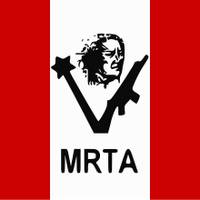
  1. Activities of the Movimiento Revolucionario Túpac Amaru (MRTA)

    The Movimiento Revolucionario Túpac Amaru (MRTA) emerged with the intention of becoming an armed wing of popular organizations in Peru. Despite its initial goals, the MRTA faced economic difficulties and resorted to tactics like kidnappings, which were against international humanitarian law. Their activities, including confrontations with the PCP-SL and internal …

    Peru página 219
  2. Dead and missing reported to CVR in Peru

    During the period 1980-2000, the Truth and Reconciliation Commission (CVR) recorded a total of 11,376 Quechua-speaking deaths and disappearances. The Shining Path PCP was responsible for 6,788 victims, State Agents for 3,491, the Self-Defense Committees (CADS) for 261, the MRTA for 71, and 765 cases were attributed to undetermined perpetrators …

    Perú Informe CVR, páginas 5204
  3. Victims in the department of Ayacucho

    During the period 1980-2000, the department of Ayacucho was the most affected by the internal armed conflict. A total of 6,549 Quechua-speaking people were reported killed and disappeared in this department. The Shining Path PCP was responsible for 3,752 victims, State agents for 2,316, CADS for 170, MRTA for 3, …
    Ayacucho, Perú Informe CVR, página 5205
  4. Victims in the department of Junín

    During the period 1980-2000, the department of Junín registered 984 Quechua-speaking and 807 Spanish-speaking deaths and disappearances. Among the Quechua-speaking victims, the Shining Path PCP was responsible for 666 victims, the State Agents for 128, the CADS for 60, the MRTA for 50, and 80 undetermined cases. Among the Spanish-speaking …

    Junín, Perú Informe CVR, páginas 5205, 5222
  5. Internal Conflict in the Central Jungle of Peru

    In 1980, the Peruvian government initiated the 'Paraíso Terrenal' colonization plan, leading to the migration of various groups into the Apurímac forest. This period saw increased conflict in the central jungle region, with the presence of insurgent groups such as the MRTA and PCP-SL. The local communities, including native Asháninkas …

    Central Jungle of Peru, including Satipo, Chanchamayo, and Oxapampa página 226
  6. Deaths and disappearances of Spanish mother tongue in Peru

    During the period 1980-2000, the CVR recorded a total of 3,593 deaths and disappearances of native Spanish speakers. The Shining Path PCP was responsible for 1,734 victims, State Agents for 1,181, CADS for 49, MRTA for 190, and 439 cases were attributed to undetermined perpetrators or others. Spanish-speaking victims accounted …

    Perú Informe CVR, página 5221
  7. Victims in the department of Huánuco

    During the period 1980-2000, the department of Huánuco registered 905 Quechua-speaking and 1,123 Spanish-speaking deaths and disappearances. Among the Quechua-speaking victims, the Shining Path PCP was responsible for 559 victims, State agents for 257, and 89 cases were attributed to undetermined perpetrators or others. Among the Spanish-speaking victims, Shining Path …

    Huánuco, Perú Informe CVR, páginas 5205, 5222
  8. Victims in the department of San Martín

    During the period 1980-2000, the department of San Martin registered 84 Quechua-speaking and 620 Spanish-speaking deaths and disappearances. Among the Quechua-speaking victims, the Shining Path PCP was responsible for 43 victims, State agents for 28, the MRTA for 3, and 10 undetermined cases. Among the Spanish-speaking victims, the Shining Path …

    San Martín, Perú Informe CVR, páginas 5205, 5222
  9. Conflict and Human Rights Violations in Peru

    The internal armed conflict in Peru began in May 1980, marked by significant human rights violations. The conflict involved subversive groups like Sendero Luminoso and MRTA, as well as state agents, leading to arbitrary executions and massacres. Despite international human rights treaties in place, such as the International Covenant on …

    Peru CVR. Audiencia pública de casos en Huancayo. Caso 17. Tercera sesión, 23 de Mayo del 2002
  10. MIR-VR mapping and census mission in Sint Maarten

    Between 1982 and 1984, MIR-VR area managers had the mission to travel throughout their area in order to prepare maps for population and housing censuses. This task included locating villages, roads, paths, trails, trails, native ethnic groups, bridges, streams, among other geographic and demographic elements. The people leaving the political-military …

    San Martín, Perú Informe CVR, página 311
  11. Assault on Huamanga prison by the PCP-SL

    The PCP-SL carried out the assault on the Huamanga prison in the department of Ayacucho. This action was very well planned and had a great impact. It was decisive for the MRTA's entry into the armed struggle, according to Peter Cárdenes Schulte. The attack demonstrated the operational capacity of the …

    Huamanga, Ayacucho, Perú Informe CVR, página 603
  12. Bank robbery in La Victoria by MRTA

    Five MRTA subversives, including Víctor Polay Campos and Jorge Talledo Feria, robbed a bank in the district of La Victoria. When two of the subversives tried to immobilize the policeman guarding the bank, he fired his submachine gun. One of the bullets ricocheted on the floor and mortally wounded Talledo …

    La Victoria, Lima, Perú Informe CVR, páginas 604-605
  13. PCP-SL and MRTA Activities in Selva Central

    In 1983, the Communist Party of Peru - Shining Path (PCP-SL) began operations in the Selva Central region, primarily as a result of military repression in Ayacucho. The region was strategically important due to its geographic and geopolitical significance, including its role in the coca trade. The PCP-SL, along with …

    Selva Central, Ayacucho, Alto Huallaga, Junín, Río Ene, Río Tambo, Satipo, Peru 673
  14. Violence and Repression During Fernando Belaunde Terry's Government

    During the government of Fernando Belaunde Terry, there was a significant increase in violence, reaching its peak in 1983. The control of the counter-subversive efforts was transferred to the Armed Forces, leading to indiscriminate repression. This period was marked by violence affecting the educational sector, with teachers and students being …

    Peru p. 576
  15. Violence and Political Turmoil at the Universidad del Centro

    In 1983, the Universidad del Centro became a battleground for various political factions, including the PCP-SL, MRTA, paramilitaries, and government forces. The university was caught in a violent conflict that resulted in numerous deaths and disappearances of students and faculty. The political repression in Ayacucho, exacerbated by the military's presence, …

    Universidad del Centro, Ayacucho, Peru
  16. Attack on UNSAAC Student Federation premises

    In July 1983, the PCP-Sendero Luminoso carried out an explosive attack against the premises of the Student Federation of the San Antonio Abad del Cuzco National University. This attack was part of the Shining Path's initial strategy to establish a presence in the university in Cuzco. The attack took place …

    Universidad Nacional San Antonio Abad del Cuzco (UNSAAC), Cuzco, Perú Informe CVR, página 261
  17. Municipal elections and victory of Alfonso Barrantes in Lima

    Municipal elections were held throughout the country, and the IU candidate, Alfonso Barrantes Lingán, won the mayoralty of Lima. His victory provoked a series of expectations among his voters, especially in the popular sectors, and among the ranks of the political parties and organizations that make up the IU. For …

    Lima, Perú Informe CVR, página 605
  18. I MRTA Central Committee

    The I Central Committee of the MRTA was held in Lima. Its analysis of the national political situation concluded that the country was going through a deep political, economic and social crisis provoked by the growing subversive activity of the PCP-SL and the counterinsurgent response. The subversive leadership agreed on …

    Lima, Perú Informe CVR, páginas 605-606
  19. Formation and Early Actions of the Movimiento Revolucionario Túpac Amaru (MRTA)

    In 1984, the Movimiento Revolucionario Túpac Amaru (MRTA) emerged amidst a severe economic crisis and increasing violence from the PCP-Sendero Luminoso. The MRTA sought to distinguish itself by promoting its armed struggle and recruiting political and military cadres, some of whom left university to join guerrilla fronts. The organization began …

    Peru p. 629
  20. MIR-VR arrives in Pucallpa

    In 1984, the MIR-VR (Movimiento de Izquierda Revolucionaria - Voz Rebelde), led by Alberto Gálvez Olaechea, arrived in Pucallpa with its Comandos Revolucionarios del Pueblo (People's Revolutionary Commandos). This arrival took place in a context where the MIR-EM had already consolidated an important political work in the region since previous …

    Pucallpa, Ucayali, Perú Informe CVR, página 347
  21. Existence of MRTA nucleus in Huancayo

    In 1984, there was already a nucleus of MRTA (Movimiento Revolucionario Túpac Amaru) militants in Huancayo. This group began to participate in debates and acts of protest carried out at the National University of Central Peru (UNCP) by students. The presence of the MRTA in the central region marked the …

    Huancayo, Junín, Perú Informe CVR, p. 226
  22. MIR-EM prepares for war

    In 1984, the MIR-EM in Ucayali began to prepare for war, having previously consolidated its political recruitment work with the formation of student cells in the Young Towns of the city of Pucallpa and created the Committees of Coordination and Neighborhood Struggle (CCOLUB). However, these plans were discouraged by the …

    Ucayali, Perú Informe CVR, páginas 346-347
  23. Formal start of MRTA armed actions

    The MRTA formally initiated its armed actions, presenting itself as part of the Peruvian left and making explicit its differences with the PCP-SL through the use of uniforms, guerrilla camps and the claim of actions. This organization had been formed in 1982 from the union of the MIR-EM and the …

    Perú Informe CVR, página 67
  24. Attack on the police post in Villa El Salvador

    A group of emerretistas attacked the police post in the district of Villa El Salvador pointing out that this action responded to a determined military response to the permanent abuse, systematic aggression and assassinations that the police forces and their hyenas, the Sinchis, commit daily against popular demands. The media …

    Villa El Salvador, Lima, Perú Informe CVR, página 606
  25. Resignation of Minister of Economy Carlos Rodríguez Pastor

    Carlos Rodríguez Pastor resigned as Minister of Economy in March 1984. He was replaced by José Benavides Muñoz, who held the portfolio of Energy and Mines, which was assumed by Juan Incháustegui Vargas. Previously, in May 1983, members of the governing party had criticized Rodríguez Pastor. In October 1983, the …

    Perú Informe CVR, páginas 85-86
  26. Beginning of subversive work of MRTA in the Mantaro valley

    The MRTA (Tupac Amaru Revolutionary Movement) announced the beginning of its subversive work in October 1984 in the Mantaro valley. Its first actions consisted of agitation and armed propaganda activities carried out in the cities of Jauja, Concepción and Huancayo. This was the first public appearance of the MRTA in …

    Jauja, Concepción y Huancayo, Junín, Perú Informe CVR

Showing 1–50 of 668 events

Photos, Videos & Documents 149

Showing 1–50 of 149 items