Organization

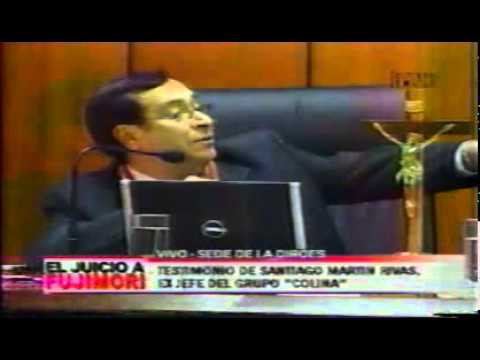
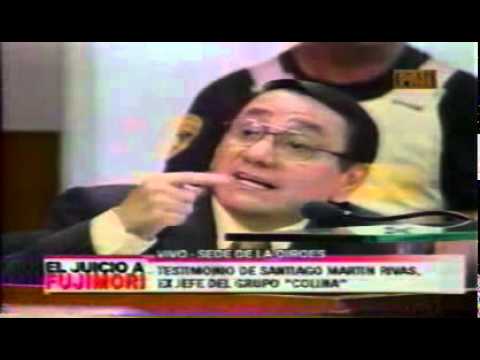
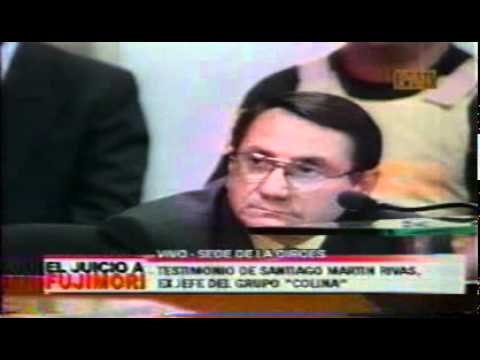
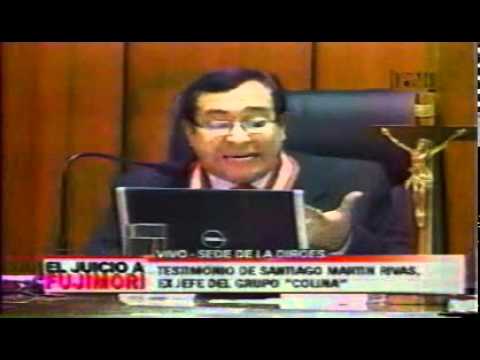
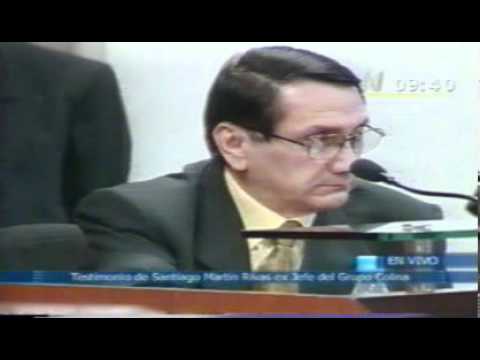
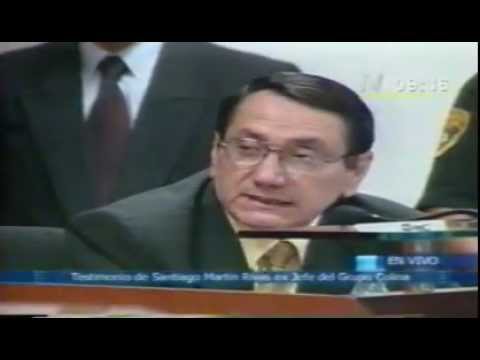
Grupo Colina

Timeline Events 45

  1. Police intervention at universities on April 20, 1989

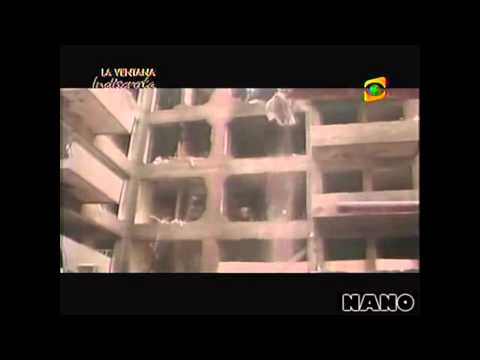
    In the early morning of April 20, 1989, joint army and police forces again entered the universities of San Marcos and La Cantuta, arresting more than 500 people. During the process that led to the military intervention (1991-2000), the government proceeded to produce a counter-subversive manual, in which San Marcos …

    Universidad Nacional Mayor de San Marcos, Universidad Nacional de Educación (La Cantuta), Lima, Perú Informe CVR, página 2409
  2. Cultural Activity and Subsequent Surveillance at UNE

    In January 1991, a local television station aired a video showing a cultural-political event at the Universidad Nacional de Educación (UNE) in Peru, where participants, including students and Shining Path leaders, displayed flags and sang hymns to Abimael Guzmán. This event led to increased surveillance of students by intelligence agents, …

    UNE (Universidad Nacional de Educación), Peru Chunk 2649.0
  3. Infiltration of SIN Analysts into GEIN and DIRCOTE

    On February 5, 1991, Benedicto Jiménez was appointed as the liaison officer between DIRCOTE and SIN by President Alberto Fujimori. This appointment marked the beginning of increased collaboration between intelligence services and DIRCOTE, with SIN analysts entering to assist in analyzing seized documentation. However, it was later revealed that some …

    Peru página 214
  4. Military intervention of La Cantuta on May 22, 1991

    La Cantuta was militarily intervened at 3:00 a.m. on May 22, 1991, following a visit by then president Fujimori to the campus. Military troops stormed the university. By then, most of the 300 residents were aware of the situation and had managed to leave the premises beforehand. Among the students …

    Universidad Nacional de Educación Enrique Guzmán y Valle (La Cantuta), Lima, Perú Informe CVR, páginas 2411-2412
  5. Plan Cipango and the Activities of Grupo Colina

    In August 1991, Santiago Martin Rivas and Carlos Pichilingüe Guevara developed the Plan Cipango, ostensibly to guide the Army Intelligence's operations against subversive elements. However, it is believed to have served as a cover for the activities of the Grupo Colina death squad. The plan's operational areas coincided with locations …

    Lima, Huacho, Huaral, Peru Capítulo: El plan Cipango (p. 138)
  6. Development of the Cipango Operations Plan

    In August 1991, Santiago Martin Rivas and Carlos Pichilingüe Guevara elaborated the Operations Plan called Cipango. The official objective was to regulate the participation of Army Intelligence in the identification, capture and handing over to the authorities of subversive criminals. However, this plan was conceived and approved at the time …

    Lima, Perú Informe CVR, páginas 805-807
  7. Barrios Altos Massacre by Colina Group

    On November 3, 1991, the Colina Group murdered 16 people who were participating in a pollada in Barrios Altos, leaving four others seriously wounded. This was the first event for which the Colina Group became known to the public. The Colina Group was a death squad that operated as part …

    Barrios Altos, Lima, Perú Informe CVR, página 463
  8. Murder of 6 people in Caraqueño

    In 1992, in the town of Caraqueño, Barranca province, a paramilitary group murdered six people. The victims were identified as Ernesto Arias Velásquez (teacher), César Rodríguez Esquivel (farmer), Felandro Castillo Manrique (farmer), John Calderón Ríos (student), Toribio Aponte Ortiz (farmer) and Pedro Agüero Rivera (driver). The report states that this …

    Caraqueño, Barranca, Perú Informe CVR, página 477
  9. Murder of Marco Antonio Martínez Morales

    In 1992, in the province of Barranca, six hooded men murdered Marco Antonio Martínez Morales. This murder occurred in the context of a series of crimes that the local population attributes to 'paramilitary groups' or the 'Colina Group'. The perpetrators of the crime have not been officially identified, although there …

    Barranca, Perú Informe CVR, página 477
  10. Peruvian Coup d'État of April 1992

    The coup d'état on April 5, 1992, in Peru was led by President Alberto Fujimori, with key figures like Vladimiro Montesinos and Nicolás Hermoza Ríos playing significant roles. This event marked the subordination of democratic processes to a counter-subversive strategy, leading to a dictatorial regime characterized by corruption and human …

    Peru Página 377
  11. Colina Group executes nine villagers in Ancash

    The Colina group raids the Javier Heraud, San Carlos and La Huaca human settlements in Ancash. During the operation, they detain and execute nine residents who were linked to unions and trade unions. This action is part of the selective elimination operations carried out by this paramilitary group.

    Asentamientos humanos Javier Heraud, San Carlos y La Huaca, Ancash, Perú Informe CVR, página 4901
  12. La Cantuta kidnapping and disappearance

    The Colina Group carried out the kidnapping and disappearance of a professor and nine students from La Cantuta in July 1992. This event occurred in the context of the military polarization that followed the coup d'état of April 5, 1992 and was part of the selective assassinations carried out by …

    La Cantuta, Lima, Perú Informe CVR, página 463
  13. Disappearance and murder of La Cantuta students and professor

    On July 18, 1992, the Colina group perpetrated the disappearance of nine students and a professor from the Enrique Guzmán y Valle "La Cantuta" University. The victims were later murdered and their bodies dismembered. This case became one of the most brutal acts committed by the Colina group during 1992, …

    Universidad Enrique Guzmán y Valle «La Cantuta», Lima, Perú Informe CVR, páginas 136-137
  14. Kidnapping and disappearance of La Cantuta teacher and students

    Two days after the Tarata attack, the kidnapping and disappearance of the professor and 9 students of La Cantuta took place. Monsignor Jose Dammert, in his homily for national holidays, referred to the terrible wave of violence and proposed the implementation of sensible military measures that would not lead to …

    Universidad La Cantuta, Lima, Perú Informe CVR, páginas 1078-1079, 1080
  15. La Cantuta student massacre

    On July 18, 1992, a military raid on the student residence of the Enrique Guzmán y Valle University (La Cantuta) ended with the kidnapping and disappearance of nine students and a professor of the university. This event occurred in the context of the state of emergency and the intensification of …

    Universidad Enrique Guzmán y Valle (La Cantuta), Chosica, Lima, Perú Informe CVR
  16. Disappearance of La Cantuta students and teacher

    There was a military raid on the student residence of the Enrique Guzmán y Valle University that ended with the kidnapping and disappearance of nine students and a professor. This operation was carried out by a group of SIE agents not stationed in the area and directed from the SIN, …

    Universidad Enrique Guzmán y Valle, La Cantuta, Lima, Perú Informe CVR, página 764
  17. La Cantuta Massacre - Kidnapping and murder of students and teacher

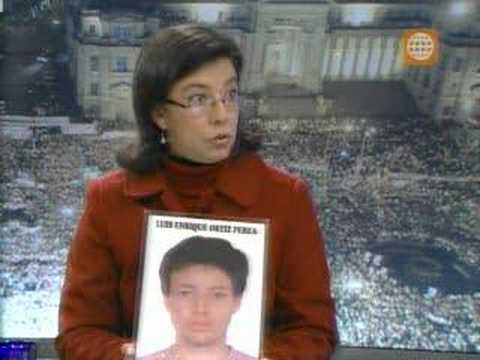
    In the early morning of July 18, 1992, nine students (Juan Gabriel Mariño, Bertila Lozano Torres, Dora Oyague Fierro, Robert Teodoro Espinoza, Marcelino Rosales Cárdenas, Felipe Flores Chipana, Luis Enrique Ortiz Perea, Armando Amaro Cóndor and Heráclides Pablo Meza) and professor Hugo Muñoz Sánchez, were kidnapped from the University Housing …

    Universidad Nacional de Educación Enrique Guzmán y Valle (La Cantuta), Lima, Perú Informe CVR, páginas 2415-2416
  18. Assassination of Pedro Huilca

    Pedro Huilca, a prominent labor leader in Peru, was assassinated on December 18, 1992. His death was initially attributed to the Shining Path (Sendero Luminoso), a Maoist guerrilla group. However, there were allegations and suspicions that the assassination might have been orchestrated by the Grupo Colina, a death squad linked …

    Lima, Peru
  19. General Rodolfo Robles' public denunciation of Colina group

    On May 6, 1993, General EP (r) Rodolfo Robles Espinoza, third in line in the Peruvian Army, in a public letter accused Army commanders and intelligence advisor Vladimiro Montesinos Torres of maintaining an operational command responsible for crimes against humanity, among them those of Barrios Altos and La Cantuta. In …

    Lima, Perú Informe CVR, página 823
  20. La Cantuta graves discovered

    The discovery of the La Cantuta graves gave new impetus to the denunciations of human rights violations. Fujimori's government did not assume responsibility, opting instead for the disqualification of the legitimacy of the denouncers and their permanent harassment. The government will continue with a series of intentional changes in legislation …

    La Cantuta, Lima, Perú Informe CVR, página 76
  21. Location of corpses of missing persons from La Cantuta

    On July 12, 1993, the magazine Sí, directed by Ricardo Uceda and with a team of Edmundo Cruz and José Arrieta, located the bodies of nine students and a professor from La Cantuta University in burial sites in Cieneguilla. This journalistic investigation solved the mystery of their disappearance and evidenced …

    Cieneguilla, Lima, Perú Informe CVR, páginas 1162-1163
  22. La Cantuta Massacre and Subsequent Investigations

    The La Cantuta massacre involved the murder of nine students and a professor from the Universidad La Cantuta, with their bodies discovered on 12 July 1993 in Cieneguilla, Lima. Investigations led by journalists like Ricardo Uceda faced significant challenges, including threats and lack of cooperation from authorities. The event highlighted …

    Cieneguilla, Lima, Peru página 497
  23. Opening of the Barrios Altos massacre investigation

    Criminal Prosecutor Ana Magallanes filed a criminal complaint and the Sixteenth Criminal Court of Lima, headed by Judge Antonia Saquicuray, opened an investigation against General Julio Salazar Monroe, Major Santiago Martin Rivas, and non-commissioned officers Wilson Carvajal García, Juan Sosa Saavedra and Hugo Coral Goycochea for the extrajudicial executions in …

    Lima, Perú Informe CVR, página 3053
  24. Promulgation of Amnesty Law 26479

    President Fujimori promulgated Law 26479, known as the General Amnesty Law, which had been approved by Congress the day before. This law granted general amnesty to military, police or civilian personnel denounced, investigated, prosecuted, tried or condemned for common and military crimes derived from the fight against terrorism from May …

    Lima, Perú Informe CVR, páginas 3053-3054
  25. Statements by Major Martin Rivas on links with military organizations

    Judge César Herrera Casina of the 25th Criminal Court of Lima took statements from Major EP Santiago Martín Rivas, member of the Colina Group, involved in the Cantuta case. In his statements, Rivas revealed his active links with military organizations, revealing the continuity of his relationship with the armed forces.

    Centro de Instrucción Militar de la Escuela Militar de Chorrillos, Lima, Perú Informe CVR, página 903
  26. Attack against Global Network and Radio Samoa

    On October 17, 1996, intelligence agents, presumably from the Colina Group, attacked the Red Global affiliate in Puno and Radio Samoa. This attack took place in a context of pacification of the internal armed conflict, when violent actions had significantly decreased in the region. The attack was directed against local …

    Puno, Perú Informe CVR, página 269
  27. Mesmer Carles denounces Colina Group and murder of Pedro Huilca

    Former National Intelligence Service (SIN) agent Mesmer Carles Talledo made serious allegations in the media regarding the Colina Group and the Intelligence Service. Carles Talledo blamed the Colina Group for the murder of union leader Pedro Huilca. Fernando Olivera proposed an investigative commission but the majority disqualified the testimony and …

    Lima, Perú Informe CVR, página 905
  28. Rejection of Investigation into Grupo Colina by Peruvian Congress

    On April 15, 1997, Fernando Olivera proposed that the Peruvian Congress establish a commission to investigate allegations made by ex-SIN agent Mesmer Carles Talledo regarding the Colina Group and its connections to the National Intelligence Service. Despite the serious nature of the accusations, the majority in Congress dismissed the motion, …

    Peru p. 236

Showing 1–45 of 45 events

Photos, Videos & Documents 85

Showing 1–50 of 85 items