ABSTRACT. In the aftermath of civil conflict and a truth commission into twenty years of violence (1980-2000), Peru is presently engaged in the difficult task of establishing overarching narratives that …
Books & Articles
1 documents in Truth and Reconciliation Commission - Peru
Showing 1–1 of 1 document
Timeline Events 50
-
Investigation and Legal Proceedings Against Peruvian Military Officials
In 2003, the Peruvian judicial system initiated legal proceedings against several military officials, including Vladimiro Montesinos Torres and Nicolás de Bari Hermoza Ríos, for their involvement in the homicide of Eduardo Nicolás Cruz Sánchez, Herma Luz Meléndez Cueva, and Víctor Salomón Peceros Pedraza. The investigation, led by the Peruvian National …
-
Alleged Arbitrary Executions During Fujimori's Presidency
The report discusses the alleged arbitrary executions of subversives Herma Luz Meléndez Cueva and Víctor Salomón Peceros Pedraza, which are linked to a military operation under the command of former President Alberto Fujimori. The operation involved high-ranking officials like Vladimiro Montesinos and General Nicolás de Bari Hermoza. The incident raises …
-
Exhumations in Totos, Ayacucho
In August 2003, exhumations took place in Totos, Ayacucho, revealing the remains of individuals who disappeared during the armed conflict in Peru. The event highlighted the deep impact of the conflict on personal identities, as many people were forced to alter or hide their names and familial ties to avoid …
-
Assassination Plot Against Pedro Huilca Tecse
On July 10, 2003, Alayo Calderón reaffirmed his allegations before a subcommittee investigating a constitutional complaint against former President Alberto Fujimori. The complaint involved the assassination of Pedro Huilca Tecse, a union leader allegedly targeted by the Colina Group, a death squad. Calderón testified about a plan to eliminate Huilca …
-
Annulling of Military Court Sentences and Reopening of Trials
On March 25, 2003, the Sala Nacional de Terrorismo annulled the sentences previously issued by the Fuero Militar in Peru. This decision was made in accordance with Legislative Decree N° 922-2003, which implemented the Sentence of the Constitutional Tribunal N° 010-2002-AI/TC. As a result, a new trial was initiated in …
-
Barrientos Family Home Invasion
On March 24, 2003, the Barrientos family home was violently invaded by a group of armed individuals with military-like demeanor. The attackers, some of whom were identified as linked to Sendero Luminoso, brutally interrogated and assaulted family members, demanding information about Edwin Barrientos Velásquez. The attackers left after vandalizing the …
-
Tarata Street Car Bombing
Pantaleón Huayhua López, identified as 'Raúl', was a member of the zonal detachment 18 and was involved in subversive activities, including the preparation of a car bomb for Tarata Street. He was sentenced to life imprisonment. His involvement was confirmed by co-defendants, and he testified before the Truth and Reconciliation …
-
Impact of Violence on Mental Health in Ayacucho
The report from March 2003 highlights the severe mental health impacts on individuals who lived through the violent period in Ayacucho, Peru. Many adults, who were children or young students during the violence, recount losing interest in education and play due to overwhelming fear and sadness. The trauma of losing …
-
Santa Bárbara Massacre
In February 2003, a military patrol detained 15 individuals in the village of Santa Bárbara, Peru, and led them to an abandoned mine. The detainees were shot with FAL rifles and subsequently killed with explosives. The event was investigated by the Commission of Truth and Reconciliation, revealing conflicting testimonies about …

-
Letter to the Commission of Truth and Reconciliation
A letter was received by the Commission of Truth and Reconciliation in Ayaviri-Puno, Peru, on January 16, 2003. It was written by women incarcerated in the Chorrillos Women's Special Regime Penitentiary, expressing their hope for justice and reconciliation. The letter highlights their experiences of being sentenced for terrorism and treason, …
-
Inconstitutional Ruling on Antiterrorism Decrees
On January 4, 2003, the Constitutional Tribunal of Peru declared several articles of the antiterrorism decrees, enacted since May 1992, unconstitutional. This ruling marked a significant shift away from legislation that was inconsistent with the fundamental principles of a state governed by the rule of law. The decision underscored the …
-
Constitutional Court of Peru Ruling on Inhumane Prison Conditions
On 3 January 2003, the Constitutional Court of Peru declared unconstitutional the references to solitary confinement during the first year of imprisonment and single-person cells as outlined in Decree Law No. 25475. The court's decision was based on the protection of personal integrity, deeming these measures as unreasonable, disproportionate, and …
-
Peruvian Armed Conflict and Human Rights Violations
The Peruvian Constitutional Court, in its ruling on January 3, 2003, addressed the essence of terrorist acts, emphasizing the intention to terrorize the population. The court highlighted that acts of torture intended to intimidate civilians should be classified as terrorism under International Humanitarian Law. This ruling underscores the absolute prohibition …
-
Peruvian Truth and Reconciliation Commission (CVR) Report
The Peruvian Truth and Reconciliation Commission (CVR) concluded its work after more than two years of investigation into the internal armed conflict in Peru. The report highlighted the atrocities committed by the PCP-SL and the state's response, which also included human rights violations. The CVR emphasized the need for reconciliation …
-
Depuración de Requisitorias y Reformas en el Sistema Judicial Peruano
In 2003, the Sala Nacional de Terrorismo, along with the ICRC and IDL, initiated a pilot project to clear 4,411 requisitorias, addressing issues of multiple detention orders and wrongful detentions. The CVR recommended the annulment of detention orders issued by military courts since 1992 and the modernization of the requisitoria …
-
Human Rights Violations by Peruvian Police Forces
The Commission of Truth and Reconciliation reported that the Peruvian police forces were responsible for 6.6% of the deaths and disappearances during the internal conflict in Peru. The primary human rights violations committed by the police included arbitrary detentions and torture, with 1741 cases of torture reported. Of the 2040 …
-
Implementation of Law 24150 and its Impact on Human Rights
The report discusses the implementation of Law 24150 in Peru, which established a 'Political-Military Command' that was deemed unconstitutional. This law led to a state of exception that concentrated power in the hands of the military, resulting in severe human rights violations such as torture, forced disappearances, and arbitrary executions. …
-
Political Violence in Chungui and the 'Oreja de Perro'
The study examines the political violence experienced in the district of Chungui, Ayacucho, and the region known as the 'Oreja de Perro'. It highlights the community's demands for state support to foster development and address socio-economic issues. The report underscores the ongoing struggles and the potential for unrest due to …
-
Interview with Abimael Guzmán by the Truth and Reconciliation Commission
Abimael Guzmán Reinoso, the leader of the Shining Path, was interviewed by the Truth and Reconciliation Commission. During the interview, Guzmán acknowledged involvement in certain actions but denied participation in others, such as the cases of Huilca, Moyano, and Franco. He mentioned that information about actions was often received through …
-
Creation of the National Reconciliation Council
In January 2003, the Truth and Reconciliation Commission (CVR) of Peru initiated studies to draft a law aimed at significantly advancing the implementation of its recommendations. This effort led to the creation of the National Reconciliation Council, a public body tasked with overseeing the development and implementation of the CVR's …
-
Human Rights Violations at Cuartel Los Cabitos Nº 51
The Commission of Truth and Reconciliation gathered evidence indicating that detainees at Cuartel Los Cabitos No. 51 were frequently subjected to interrogations and torture by military and police intelligence personnel. Testimonies, such as that of Esteban Canchari Cacñahuaray, describe the presence of torture equipment and the brutal conditions faced by …
-
Final Report of the Truth and Reconciliation Commission
The Final Report of the Truth and Reconciliation Commission in Peru was published in 2003. It provides a comprehensive analysis of the internal conflict in Peru, detailing the roles of various armed groups, political entities, and government bodies. The report aims to uncover the truth about human rights violations and …
-
Violence and Trauma in Jauja, Junín
In December 2002, a testimony was recorded detailing the traumatic experiences of individuals in Jauja, Junín, Peru, during a period of violence. The declarant described living in fear of subversive groups and soldiers, leading to a life of constant anxiety and dislocation. The violence had a profound psychological impact, leaving …
-
Discrimination and Stigmatization of Ayacuchanos and Ashaninkas
In December 2002, testimonies were collected highlighting the discrimination and stigmatization faced by individuals from Ayacucho and Ashaninka communities in Peru. These groups suffered from societal prejudice due to their ethnic and regional origins, leading to marginalization and a negative impact on their self-esteem and identity. The testimonies also revealed …
-
Disappearance and Family Trauma in Apurimac
In December 2002, a testimony from Lima recounts the disappearance of a child in Patas, Curahuasi, Apurimac. This event is part of a broader narrative of family trauma and loss, where the death of a parent leads to severe emotional distress and altered family dynamics. The community experiences deep psychological …
-
Initiative on Missing Persons Post-Internal Armed Conflict
On November 5, 2002, a joint initiative was launched by the Truth and Reconciliation Commission, the Ombudsman's Office, the National Coordinator for Human Rights, and the International Committee of the Red Cross to address the issue of missing persons resulting from political violence in Peru between 1980 and 2000. The …
-
Political Manipulation of the Police Force
The text discusses the manipulation of the police force by political entities in Peru, highlighting how officers are used to serve political interests. It describes a culture of clientelism and corruption within the police, where officers must align with political powers to advance their careers. This situation leads to a …
-
Municipal Elections of November 2002
In November 2002, several historical leaders of the peasant patrols, known as rondas campesinas, successfully participated in municipal elections in Peru. Notable examples include Elmer Orihuela in Cochas, Susano Mendoza in Quinua, and Benjamín Antezana in Ocros, who assumed mayoral positions in their respective districts. This event highlights the political …
-
Assassination of Family Members in Pomahuasi, Huanta Ayacucho
In November 2002, a testimony was recorded detailing the assassination of family members in Pomahuasi, Huanta Ayacucho. This event is part of a series of human rights violations reported in the region. The testimonies highlight the ongoing struggle for justice and the impact on surviving family members.
-
Disappearances in Ayacucho and Huánuco
In November 2002, testimonies were recorded about the disappearance of individuals in Ayacucho and Huánuco, Peru. Families of the disappeared expressed a deep need to know the fate of their loved ones to regain peace of mind. The testimonies highlight the ongoing hope and struggle of families to find answers …
-
Violence and Displacement in Ayacucho
In November 2002, testimonies were collected from residents of Ayacucho, Peru, detailing the violence and displacement they experienced. The accounts describe the psychological and physical impact of losing family members and being forced to leave their homes due to military actions. The testimonies highlight the severe disruption to social and …
-
Disappearance of a Husband in San Carlos, Huancavelica
In November 2002, a woman recounted the disappearance of her husband in San Carlos, Huancavelica. This event is part of a broader context of violence and unrest in Peru, which led to increased consumption of coca and alcohol as coping mechanisms among the affected population.
-
Detention of Samuel Dyer
Samuel Dyer, an entrepreneur, was detained by Colonel PNP Domínguez Solís and taken to the Comandancia General del Ejército in San Borja, known as 'Pentagonito'. He was handed over without formal documentation and later subjected to mistreatment by soldiers. His detention was publicized by the media, leading to false reports …
-
Legal Proceedings Against Vladimiro Montesinos and Others
On October 4, 2002, the Second Special Criminal Court of Lima initiated legal proceedings against Vladimiro Montesinos Torres and several others. They were accused of being co-authors of crimes against life, body, and health, including aggravated homicide and kidnapping, in the case of Pedro Herminio Yauri Bustamante. Additionally, others were …
-
Post-Conflict Distrust in Ayacucho
In the aftermath of the internal conflict in Peru, communities in Ayacucho experienced heightened levels of distrust and fear among neighbors and outsiders. This pervasive suspicion hindered interpersonal relationships and significantly slowed down efforts towards community reconstruction and recovery. The legacy of the conflict left deep psychological scars, with many …
-
Assassination in Salucc, Ayacucho
In October 2002, a woman reported the assassination of her husband in Salucc, Ayacucho. This event is part of a series of testimonies collected by the Truth and Reconciliation Commission in Peru, highlighting the violence and human rights abuses experienced during that period.
-
Peruvian Internal Armed Conflict
The Peruvian Internal Armed Conflict left deep scars on the social fabric of the country. Families were torn apart, communities were attacked and sometimes dispersed, and cultural references were devalued. The aftermath of the conflict resulted in widespread distrust and psychological trauma among the population, as evidenced by testimonies collected …
-
Gender Discrimination and Women's Empowerment in Peru
In October 2002, a workshop in Huamanga, Peru, highlighted the challenges faced by women in rural areas, including illiteracy, discrimination, and lack of job opportunities. Despite these obstacles, women expressed a strong desire to overcome societal barriers and participate in leadership roles. The event underscored the ongoing struggle for gender …
-
Testimonies of Political Violence in Peru
The text recounts a harrowing incident during a period of political violence in Peru, where a mother was forced to silence her crying infant to avoid detection by soldiers, resulting in the child's death by asphyxiation. This event is part of a broader narrative of loss and trauma experienced by …
-
Impact of Violence on Families in Huánuco and Ayacucho
In October 2002, testimonies from Huánuco and Ayacucho reveal the devastating impact of violence on families. Widows and other family members recount the loss of loved ones, including executions and assassinations by the Peruvian army. The violence resulted in significant emotional and material hardships, leaving families without essential support and …
-
Slaughter of Chuchin
In October 2002, a witness recounted the massacre in Chuchin, Chilcas, La Mar, Ayacucho. The event left survivors deeply traumatized, with many expressing feelings of profound grief and disorientation. The violence and loss experienced during this period had lasting impacts on the community.
-
Taller de Ronderos in Huamanga
In October 2002, a workshop for ronderos was held in Huamanga, Peru. This event was part of a series of efforts to address the aftermath of violence in the region. Participants included community members who had been affected by the violence, and the workshop aimed to promote reconciliation and healing.
-
Discrimination Against Widows and Orphans in Post-Conflict Communities
In October 2002, reports from Huamanga, Peru, highlighted the discrimination faced by widows and orphans in repopulated communities. These vulnerable groups, often led by women, were marginalized due to their inability to pay for labor to work their land, a situation exacerbated by the loss of their husbands during the …
-
Assassination in Ocros, Huamanga
In October 2002, a testimony was recorded detailing the assassination of an individual's husband in Ocros, Huamanga, Ayacucho. The event left the community in deep sorrow, as they were unable to properly bury the victims, leading to ongoing feelings of sadness and unrest.
-
Reconciliation Efforts and Political Solutions in Peru
In October 2002, discussions were held in Huamanga, Peru, regarding the reconciliation process following the conflict involving the PCP-SL (Shining Path). The PCP-SL called for a political rather than military solution to address their defeat, but did not fully renounce violence as a political tool. The need for a comprehensive …
-
Sexual Violence Against Women in Peru
The testimony from October 2002 highlights the severe sexual violence perpetrated against women by soldiers in Huánuco, Peru. Victims were subjected to extreme humiliation and abuse, leading to long-lasting trauma and a deep sense of injustice. Many survivors struggled with feelings of shame and societal stigma, often remaining silent about …
-
Assassination in Aurora, Ayna, La Mar, Ayacucho
In October 2002, testimonies were recorded about the assassination of individuals in Aurora, Ayna, La Mar, Ayacucho. The events were part of a series of violent incidents that affected the region, leaving families without their loved ones. The testimonies highlight the ongoing struggle and emotional impact on those left behind.
-
Torture and Detention in Ayacucho
In October 2002, a detainee was held and tortured in Tomanga, Sarhua, Ayacucho, Peru. The individual was subjected to physical abuse and forced to confess to alleged connections with terrorist groups such as PCP-SL and MRTA. The detainee was kept in harsh conditions without legal representation, highlighting the human rights …
-
Disappearances and Violence in Peru
In October 2002, multiple testimonies were recorded in Peru detailing instances of violence, disappearances, and unjust accusations. Individuals reported being wrongfully accused of subversion and facing impunity when seeking justice. The testimonies highlight the indiscriminate nature of the violence and the struggle for truth and accountability.
-
Lucmahuayco Massacre
In October 2002, testimonies were collected regarding the massacre at Lucmahuayco, a tragic event witnessed by locals in Chungui, La Mar, Ayacucho. The event is part of a broader history of violence in the region, where many families suffered losses and were left to seek reconciliation and healing.
Photos & Videos 50
20,000 Peruvians march against the pardon of Alberto Fujimori
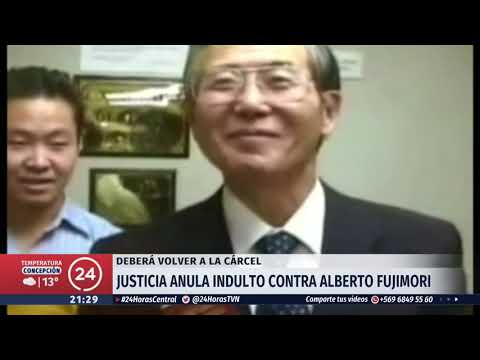
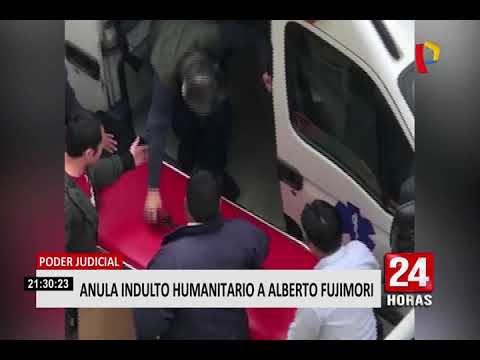
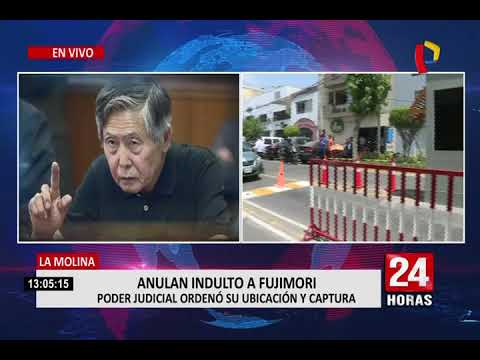
Judiciary annuls pardon of Alberto Fujimori
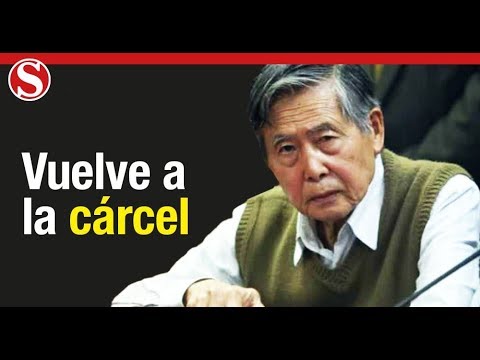
Fujimori must return to prison after annulment of presidential pardon
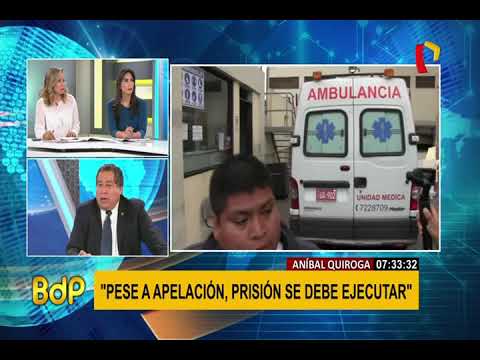
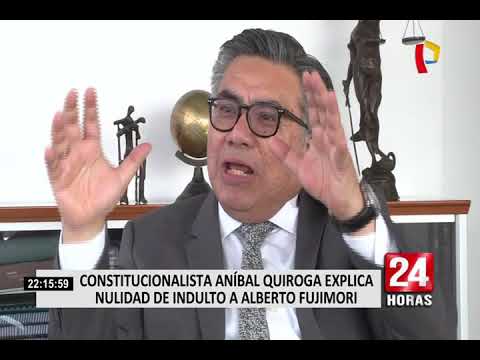
Constitutional expert analyzes annulment of humanitarian pardon of Alberto Fujimori
Pardon of former president Fujimori is cancelled
Canal N live: pardon of Alberto Fujimori is annulled and immediate arrest ordered
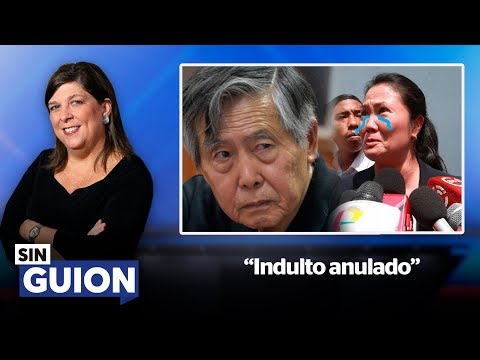
Fujimori returns to prison - SIN GUION with Rosa María Palacios
Peruvian Supreme Court annuls pardon of Alberto Fujimori
Supreme Court annuls humanitarian pardon of Alberto Fujimori (2/2)
Judiciary annulled pardon of former president Alberto Fujimori (1/2)
Cuarto Poder: Fujimori and the story of the express pardon
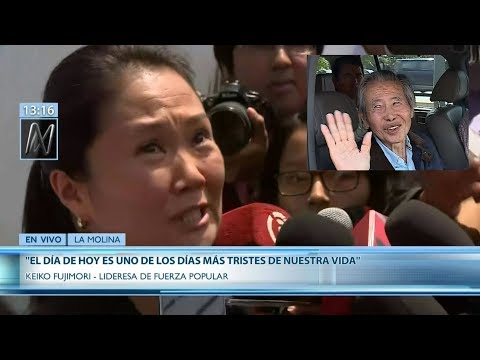
PJ annulled the humanitarian pardon of Alberto Fujimori: Keiko's tears and other reactions
Judiciary annuls pardon of Alberto Fujimori and orders his arrest - 10 Minutos Mediodía
Constitutional expert explained the reasons that led to the annulment of Fujimori's pardon
Peru: Judiciary annuls humanitarian pardon of dictator Fujimori
Pardon for Alberto Fujimori: fifth march ended at Plaza San Martín
Pardon for Fujimori: how the fourth mobilization took place
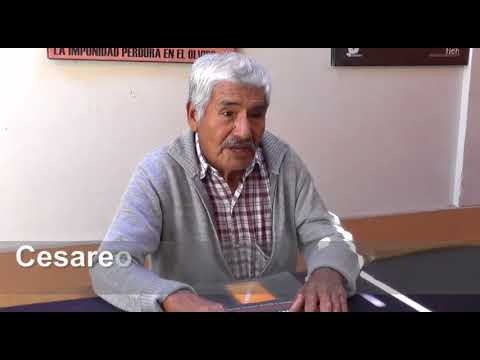
Interview with Cesáreo Calderón - Father of John Calderón Ríos (Pativilca Case)
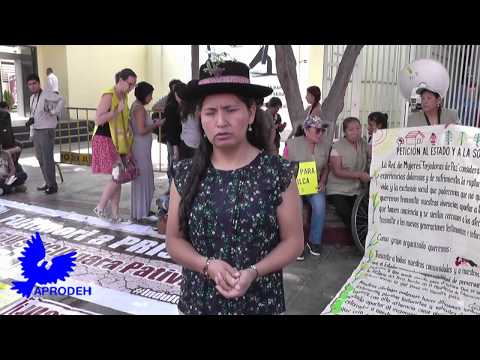
Interview with Tania Pariona - Pativilca Case Hearing
Ada Ochoa Solano - Widow of Felandro Castillo Manrique - Pativilca Case (Caraqueño)
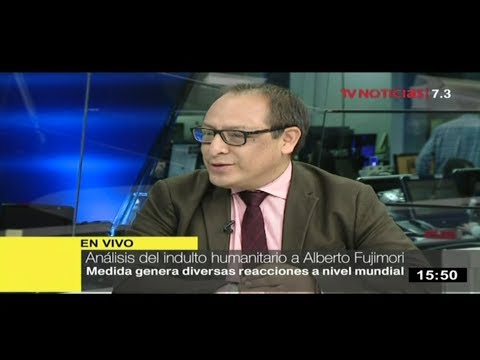
Analysis of the humanitarian pardon of Alberto Fujimori
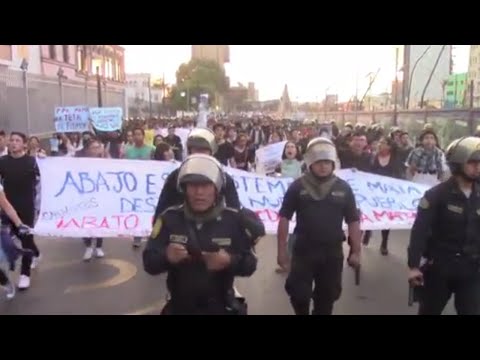
March against the Pardon of Fujimori - December 28, 2017
First protests in Lima against the pardon of Fujimori
Demonstrations in Peru against the pardon of Fujimori
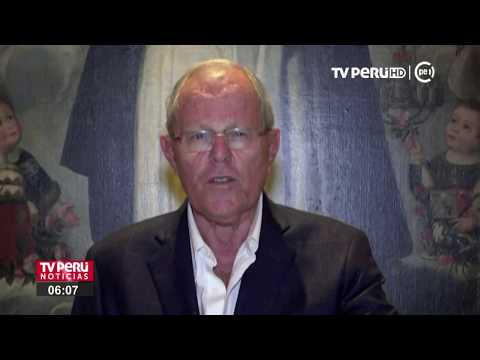
President Kuczynski addressed the nation after the pardon of Alberto Fujimori
PPK granted the humanitarian pardon to Alberto Fujimori
Humanitarian pardon granted to former Peruvian president Alberto Fujimori
Peru's president pardoned Fujimori and the country is divided
PPK grants humanitarian pardon to Alberto Fujimori: repercussions of historic decision
Peru: reactions to the pardon of Fujimori
Peru: relatives of Fujimori's victims will seek to revoke pardon
Memory, impunity and truth | V Peruvian Human Rights Congress
Online Terrorism: followers of Abimael Guzmán spread terrorist discourse
Place of memory, tolerance and social inclusion
Relatives of victims of internal war in Peru demand justice
Shining Path killed with machetes
"Final rehearsal". Yuyachkani. Report
Uchuraccay: 25 years after the murder of journalists in Peru
Terrorist ambush. Shining Path (Part 1 of 2)
Terrorism in Peru
"Three years that changed history". Pro-Fujimori documentary. Part 1
"Three years that changed history". Pro-Fujimori documentary. Part 2
Uchuraccay in memory
Shining Path
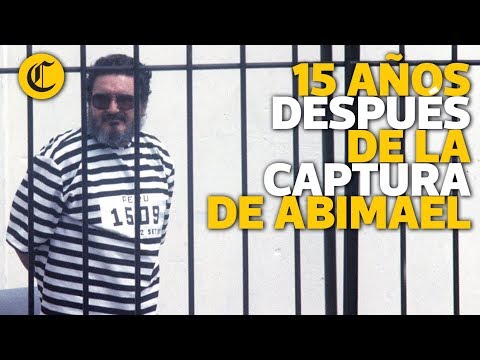
15 years after the capture of Abimael
To Reflect on the Past, To Build The Future / CVR
Abimael Guzmán: Shining Path of terror
Shining Path. TVE report
Prisoners for terrorism denounce preparation of genocide in the prisons (1992). Part 2