
Photos & Videos
50 media items in Truth and Reconciliation Commission - Peru
Tag
Abimael Guzmán
×

Operation Victoria - Documentary

Online Terrorism: followers of Abimael Guzmán spread terrorist discourse

Abimael and the birth of Shining Path

The capture of the century - 20 years later. Journalistic report.
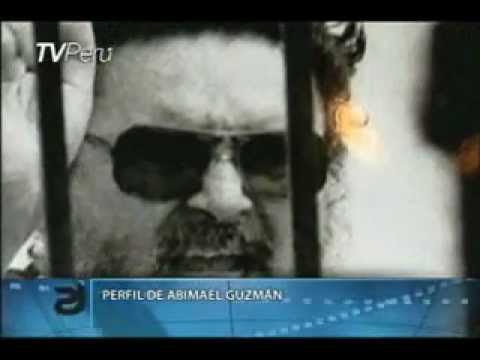
Shining Path: The terror that a Peruvian must not forget. Report

The secret life of Abimael Guzmán - Second part

The secret life of Abimael Guzmán - First part
Abimael Guzmán: The capture of the century. Report

Great march for peace. Second part
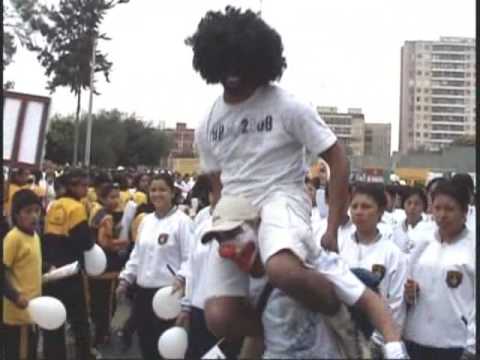
Great march for peace. First part
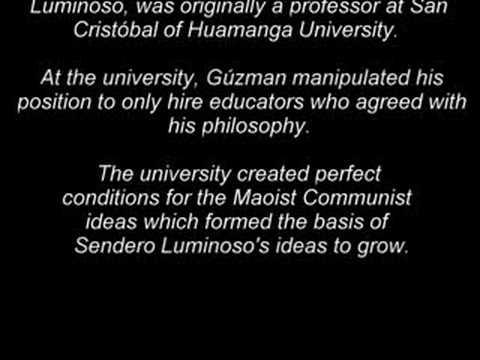
Shining Path

The beginning of the end. Report
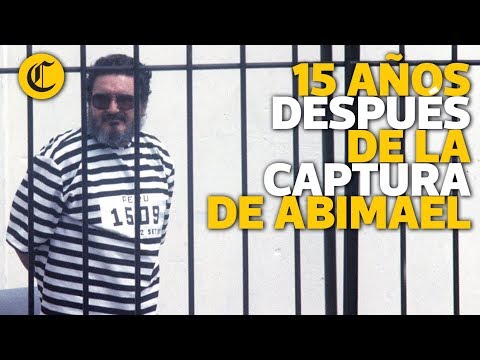
15 years after the capture of Abimael

"State of Fear". Pamela Yates. Complete film.
The Capture of the Century. Report
Fall of terrorism. Speech by Alberto Fujimori
The capture of the century - part 14 Final

The capture of the century - part 13
The capture of the century - part 12
The capture of the century - part 11
The capture of the century - part 10

The capture of the century - part 9

The capture of the century - part 8
The capture of the century - part 7

The capture of the century - part 6

The capture of the century - part 5

The capture of the century - part 4
The capture of the century - part 3
The capture of the century - part 2
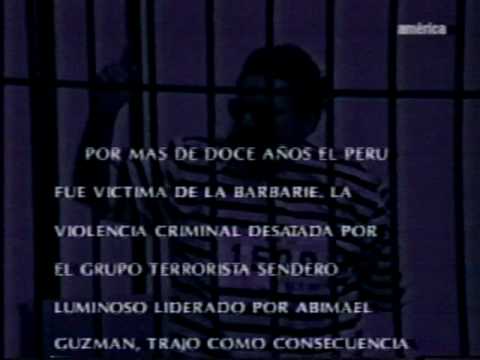
The capture of the century - part 1
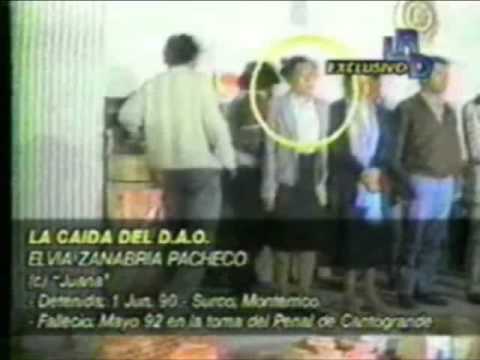
The capture of Abimael Guzmán. Part 8
The capture of Abimael Guzmán. Part 7
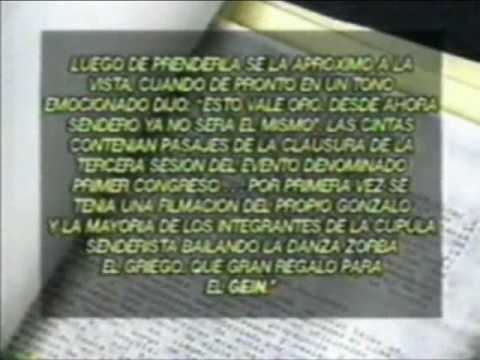
The capture of Abimael Guzmán. Part 6
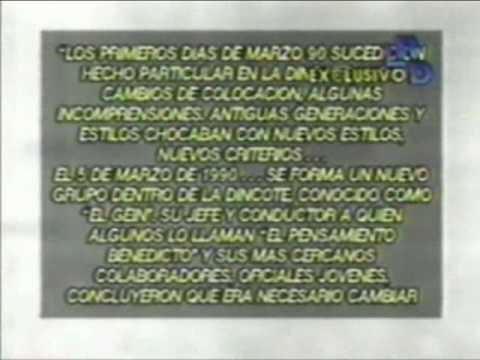
The capture of Abimael Guzmán. Part 5
The capture of Abimael Guzmán. Parts 3-4
The capture of Abimael Guzmán. Part 2

The capture of Abimael Guzmán. Part 1

Abimael Guzmán reads peace agreement letter in prison.
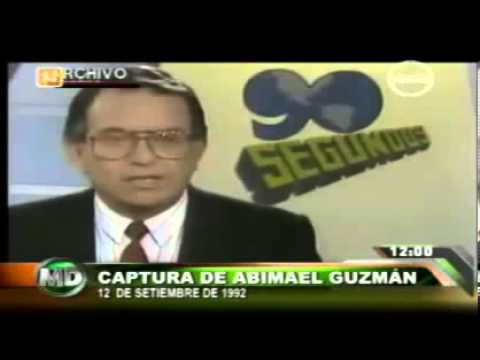
News flash on the capture of Abimael Guzmán Reynoso

Abimael Guzmán: Shining Path of terror

Abimael Guzmán presented to the international press
 1992
1992
Abimael Guzmán holds a wake for the body of his first wife Augusta La Torre
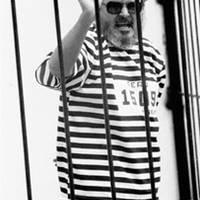 1992
1992
ABIMAEL GUZMÁN, PRISONER
Abimael Guzmán (Zorba the Greek video) Complete
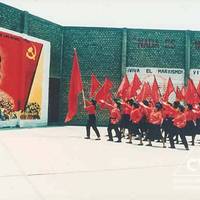 1991
1991
Shining Path female inmates hold a tribute to their leader Abimael Guzmán in one of the wings of Miguel Castro Castro prison
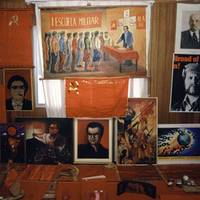 1990
1990
IN PURSUIT OF ABIMAEL GUZMÁN
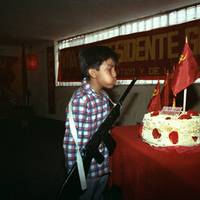 1989
1989
SHINING PATH CHILD
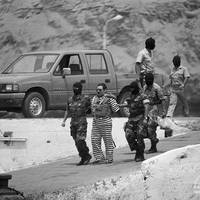 1983
1983
Abimael Guzmán Reinoso is transferred to the Military Prison at the Callao Naval Base
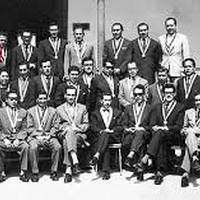 1979
1979
ABIMAEL GUZMÁN, PROFESSOR AT THE UNIVERSITY OF HUAMANGA
Showing 1–50 of 50 items
Timeline Events 50
-
Interview with Abimael Guzmán by the Truth and Reconciliation Commission
Abimael Guzmán Reinoso, the leader of the Shining Path, was interviewed by the Truth and Reconciliation Commission. During the interview, Guzmán acknowledged involvement in certain actions but denied participation in others, such as the cases of Huilca, Moyano, and Franco. He mentioned that information about actions was often received through …
-
Propaganda Event and Tragedy in Huaycán
In Huaycán, a propaganda event led to a tragedy when people were invited via loudspeakers to receive free potatoes. The gathering turned deadly as individuals were shot, and chaos ensued. This incident highlights the violence that persisted in the 1990s, even after the capture of Abimael Guzmán, with notable assassinations …
-
Capture of Óscar Ramírez Durand and Shift in Shining Path's Strategy
In November 1999, Óscar Ramírez Durand, a key figure in the Shining Path, was captured. Following this event, Abimael Guzmán, the leader of the Shining Path, declared the 'Peace Agreement' strategy unviable and shifted towards advocating for a 'political solution to the problems derived from the war.' This marked a …
-
Manipulation of Abimael Guzmán by Vladimiro Montesinos
In a video recorded on April 14, 1998, Vladimiro Montesinos, a key figure in Peru's intelligence services, demonstrated how he manipulated Abimael Guzmán, the leader of the Shining Path (PCP-SL), and his partner Elena Iparraguirre. Montesinos used these manipulations to create divisions within the Shining Path and maintain control over …
-
Recognition of Vladimiro Montesinos by Abimael Guzmán and Others
On November 3, 1993, Abimael Guzmán, along with other key figures such as Elena Iparraguirre and Osmán Morote, signed a letter recognizing Vladimiro Montesinos for his efforts in advancing peace in Peru. The letter praised Montesinos for his comprehensive understanding and dedication to achieving a peace agreement, highlighting his significant …
-
Capture of Abimael Guzmán and Strategic Shift in PCP-SL
Abimael Guzmán, leader of the Shining Path (PCP-SL), was captured and held at the Naval Base of Callao. During his captivity, Guzmán argued that his capture marked a 'strategic shift' in the people's war, emphasizing the importance of leadership in the revolutionary process. This led to a new direction for …
-
Negotiations for Peace Agreement between Abimael Guzmán and Fujimori's Government
In October 1993, Abimael Guzmán, leader of the Shining Path, proposed a peace agreement to the government of Alberto Fujimori from his prison in Callao. The government used these negotiations for propaganda purposes ahead of a constitutional referendum. Despite the proposal, the government did not pursue a definitive peace solution, …
-
Capture and Peace Proposal of Abimael Guzmán
In October 1993, Abimael Guzmán, leader of the Communist Party of Peru (PCP-SL), acknowledged that his capture and that of several key members dealt a significant blow to the organization, impacting their ability to continue the 'people's war.' Guzmán publicly proposed a peace agreement, which has since evolved into a …
-
Capture of Abimael Guzmán and Subsequent Peace Negotiations
In 1993, following the capture of Abimael Guzmán, the leader of the Shining Path (PCP-SL), the organization sought to initiate peace talks with the Peruvian state. This marked a significant shift in strategy, as the PCP-SL began to reference the Geneva Conventions, not as a principled stance, but as a …
-
Capture and Peace Agreement of Abimael Guzmán
Abimael Guzmán, the leader of the Shining Path (PCP-SL), was captured in 1992, which marked a significant turning point for the organization. Despite his capture, the party maintained unity until Guzmán, known for his extreme violence, requested a peace agreement with the government in 1993. This event highlighted the influence …
-
Abimael Guzmán's Proposal for Peace Negotiations
In 1993, Abimael Guzmán, leader of the Shining Path (PCP-SL), proposed a peace negotiation with the Peruvian government led by Alberto Fujimori. Guzmán suggested ceasing military actions and dissolving the Guerrilla Army in exchange for a general amnesty and the release of prisoners of war. Despite the proposal, the Shining …
-
Sendero Luminoso Peace Negotiation Initiative
On October 28, 1992, the Peruvian government released a letter signed by key members of the Shining Path, including Osmán Morote and Martha Huatay, supporting a peace initiative proposed by Abimael Guzmán, also known as 'Presidente Gonzalo'. The letter, addressed to President Alberto Fujimori, called for peace talks to end …
-
Abimael Guzmán's Shift in Strategy and Peace Negotiations
On October 20, 1992, Abimael Guzmán, the leader of the Shining Path, called for peace negotiations with the Peruvian government from his cell on Isla San Lorenzo. Despite his public call to continue the armed struggle, Guzmán had privately shifted his stance, seeking to end the conflict through a peace …
-
Negotiations Between Abimael Guzmán and Alberto Fujimori
In October 1992, Abimael Guzmán, leader of the Shining Path, sent letters to President Alberto Fujimori to negotiate a peace agreement. The first letter was made public during Fujimori's presentation at the United Nations on October 1, 1992, and initially seemed to bolster Fujimori's political standing. However, a second letter …
-
Capture of Abimael Guzmán and Key Members of PCP-Sendero Luminoso
On September 12, 1992, the Special Intelligence Group (GEIN) of the Counter-Terrorism Directorate (DIRCOTE) successfully captured key figures of the PCP-Sendero Luminoso, including its leader Abimael Guzmán Reynoso, also known as 'Presidente Gonzalo'. This event marked a significant blow to the subversive group, leading to the initiation of their VI …
-
Capture of Abimael Guzmán and Peace Negotiations
In September 1992, Abimael Guzmán, the leader of the Shining Path (PCP-SL), was captured. Following his capture, Guzmán requested peace negotiations with the government of President Alberto Fujimori, signaling a potential end to the internal armed conflict in Peru. This marked a significant shift in the dynamics of the conflict, …
-
Capture of Abimael Guzmán and its Impact on Forced Disappearances
Following the capture of Abimael Guzmán Reynoso, the leader of the PCP-Sendero Luminoso, in September 1992, there was a notable decrease in reported cases of forced disappearances by state agents in Peru. This decline was attributed to the disbanding of the Sendero Luminoso organization and the implementation of anti-terrorism legislation …
-
Capture of Abimael Guzmán and the PCP-SL Leadership
On 12 August 1992, Peruvian police forces successfully captured Abimael Guzmán, the leader of the Shining Path (PCP-SL), along with key members of the organization's Central Committee. The operation took place in a house located in the Urbanización Los Sauces, Surquillo, after months of surveillance. This event marked a significant …
-
Capture of Abimael Guzmán and the Disruption of PCP-SL Leadership
In May 1992, key figures of the Shining Path (PCP-SL), including Yovanka Pardavé, Tito Valle Travesaño, and Deodato Juárez Cruzatt, were killed in the prison of Cantogrande. Abimael Guzmán, the leader of the Shining Path, was captured along with his companion Elena Iparraguirre. This event marked a significant blow to …
-
Fujimori's Autogolpe (Self-Coup)
On April 5, 1992, President Alberto Fujimori of Peru executed a self-coup with the support of the military, dissolving Congress and ruling by decree. This period saw significant changes in the legal and organizational structure of the state, particularly in anti-terrorism legislation, which led to systematic human rights violations. The …
-
Emboscada en Paran y Declive de Sendero Luminoso en Oyon
In 1992, an ambush in Paran, Oyon, marked a decisive blow against the Senderistas, resulting in the loss of several of their leaders, including Dante, known as 'the bloodthirsty'. This event contributed to the decline of the PCP-SL's armed actions in the province. The capture of Abimael Guzman in the …
-
Capture of Abimael Guzmán and the Crisis of PCP-SL
The capture of Abimael Guzmán in 1992 marked a significant turning point for the Shining Path (PCP-SL) in Peru. His arrest, along with that of María Pantoja Sánchez, led to a strategic crisis within the party, as it struggled to maintain its revolutionary objectives. The loss of leadership, combined with …
-
Capture of Abimael Guzmán and the Decline of Sendero Luminoso
In 1992, the capture of Abimael Guzmán, the leader of the Shining Path (PCP-SL), along with the organization's leadership in Lima, marked a significant turning point in the internal conflict in Peru. This event led to the disarticulation of the Shining Path and paved the way for peace agreements between …
-
Capture of Abimael Guzmán and Decline of PCP-SL
In 1992, Abimael Guzmán, the leader of the Shining Path (PCP-SL), was captured, marking a significant turning point in the internal armed conflict in Peru. This event led to a gradual decrease in armed actions, which were mostly concentrated in urban areas, and a focused persistence of conflict in specific …
-
Capture of Abimael Guzmán and Reorganization of PCP-SL
In 1992, Abimael Guzmán, the leader of the Shining Path (PCP-SL), was captured along with a significant portion of the group's leadership. This event led to the seizure of important party materials and computers, causing the PCP-SL to urgently reorganize to mitigate further damage. Despite efforts to regroup, the organization …
-
Capture of Abimael Guzmán
The capture of Abimael Guzmán in Lima marked a significant turning point in the Peruvian conflict involving the PCP Sendero Luminoso. This event symbolized the decline of the insurgent group's influence, as it was one of the last major acts of violence during this period. The capture was part of …
-
Capture of Abimael Guzmán and Shift in PCP-SL Strategy
Abimael Guzmán, the leader of the Shining Path (PCP-SL), was captured in 1992, marking a significant turning point in the organization's strategy. Prior to his capture, Guzmán had orchestrated violent campaigns that led to the deaths of thousands and widespread destruction. After his capture, he abandoned the 'strategic equilibrium' thesis …
-
Military Incursion in Santa Bárbara
In 1991, the community of Santa Bárbara experienced a military incursion where a group of villagers was kidnapped and subsequently killed by dynamite at the Misteriosa mine. This event marked the beginning of the end of the conflict in the area, as continuous military patrols and self-defense actions nearly eradicated …
-
Operation Caballero and the Raid on PCP-SL Headquarters
In January 1991, the Special Intelligence Group (GEIN) conducted Operation Caballero, targeting a house in Chacarilla del Estanque, San Borja, believed to be significant to the PCP-SL organization. On January 31, they raided the location, discovering it was the Central Department of the PCP-SL. Although they did not capture key …
-
Disappearance of Professor Víctor Lavado Olivera
Professor Víctor Lavado Olivera, who taught 'Historical Materialism,' was detained and disappeared on 6 June 1990, allegedly by members of the Peruvian Army. His syllabus included materials related to the PCP (Communist Party of Peru), reflecting the political tensions and influence of subversive groups within the university. This period saw …
-
Abimael Guzmán's Strategic Shift
Abimael Guzmán, leader of the Shining Path, made a significant strategic shift in 1990, challenging the faith of his followers. In a document dated March 28, 1990, Guzmán emphasized the need for armed struggle and commitment to their cause. However, his later stance on peace talks and political solutions marked …
-
Formation and Operations of the GEIN
The Grupo Especial de Inteligencia (GEIN) was formed in March 1990 as a specialized unit within the Peruvian police force, DIRCOTE, to combat terrorism. Supported by the CIA and other entities, GEIN focused on gathering intelligence and tracking the activities of Socorro Popular, a key component of the Shining Path's …
-
Shining Path's Strategic Shift and the Rise of Campesino Resistance
In 1990, Abimael Guzmán, leader of the Shining Path (PCP-SL), declared the completion of the 'strategic defensive' phase of their prolonged war, aiming to focus subversive actions in Lima due to setbacks in rural areas. The rise of 'rondas campesinas' and 'comités de autodefensa' marked a significant peasant resistance against …
-
Creation of the Grupo Especial de Inteligencia (GEIN) and its Operations
In the last year of the Aprista government, the Special Intelligence Group (GEIN) was created within the DIRCOTE. This special intelligence group was instrumental in the eventual capture of Abimael Guzmán, the leader of the Shining Path. On June 1, 1990, GEIN conducted a significant operation by raiding a house …
-
Sendero Luminoso's Strategic Military Plans
The Communist Party of Peru - Shining Path (PCP-SL) developed a series of military plans as part of their strategy to overthrow the Peruvian state. These plans were divided into three strategic stages: defensive, equilibrium, and offensive. In 1989, Abimael Guzmán declared that the organization had reached the 'equilibrium' stage, …
-
Strategic Equilibrium in the Peruvian Conflict
In 1989, Abimael Guzmán, leader of the PCP-SL, emphasized the concept of 'strategic equilibrium' as a central tenet in their military strategy. This involved shifting military focus to Ayacucho and surrounding areas, with the aim of encircling cities from the countryside. Despite setbacks and resistance from the Peruvian Armed Forces …
-
Activities of the Communist Party of Peru (PCP-SL) and Influence of Abimael Guzmán
The text describes the activities of the Communist Party of Peru (PCP-SL), highlighting the influence of Abimael Guzmán, also known as President Gonzalo, on the party's ideology and operations. The party focused on recruiting students from economically disadvantaged backgrounds, particularly those from peripheral areas or migrants, and used their grievances …
-
PCP-SL Congress of 1988
In 1988, the Congress of the Communist Party of Peru - Shining Path (PCP-SL) affirmed the ideological leadership of Abimael Guzmán, also known as Chairman Gonzalo. The Congress endorsed 'Gonzalo Thought' as a significant contribution to revolutionary doctrine, elevating it to a global ideological status. This event marked the culmination …
-
First Congress of the Communist Party of Peru - Shining Path
In 1988, the Communist Party of Peru - Shining Path (PCP-SL) concluded its First Congress, marking a strategic shift towards incorporating urban areas into its revolutionary activities. The organization aimed to involve various social sectors, including workers, women, and the urban poor, in its struggle. This period saw an increased …
-
I Congress of the PCP-SL
The I Congress of the PCP-SL in 1988 marked the entrenchment of 'pensamiento Gonzalo' as the new orthodoxy within the party. This event followed internal conflicts where dissonant voices were suppressed, and the leadership of Abimael Guzmán was solidified. The congress symbolized a consolidation of power and ideology within the …
-
Expansion of PCP-SL and Political Tensions in Peru
In 1986, the Communist Party of Peru - Shining Path (PCP-SL) expanded its operations across the Peruvian highlands, challenging the newly elected government of Alan García. Despite initial hopes for a change in counter-subversive policies, the PCP-SL, led by Abimael Guzmán, sought to delegitimize the APRA government by inciting violent …
-
Conflict between PCP-SL and Comités de Autodefensa
In 1986, the Comités de Autodefensa became a significant adversary to the PCP-SL (Shining Path) in Peru. The mass mobilization of the peasantry against the Shining Path's project was not acknowledged by its leader, Abimael Guzmán, as a strategic error. This conflict highlighted the disconnect between the central leadership and …
-
IV Plenum of the Central Committee of the PCP-SL
During the IV Plenum of the Central Committee of the PCP-SL in 1986, Abimael Guzmán sought to consolidate power by pushing dissonant voices into a corner, labeling their objections as 'antagonistic contradictions' that threatened the party's survival. The session highlighted a clear division between the Central Directorate members and other …
-
Formation of the People's Republic of New Democracy by PCP-SL
In 1983, the Communist Party of Peru - Shining Path (PCP-SL) initiated the formation of the People's Republic of New Democracy, with Abimael Guzmán, known as 'President Gonzalo', as its leader. This marked the centralization of power within the party and the beginning of a campaign to 'conquer bases', which …
-
Lucanamarca Massacre
The Lucanamarca massacre was a violent event perpetrated by the Shining Path (PCP-SL) in 1983 in the village of Lucanamarca, Peru. The massacre was part of the broader internal conflict in Peru, where the Shining Path targeted civilians as part of their revolutionary strategy. The leader of the Shining Path, …
-
The Rise of Sendero Luminoso
In May 1981, the revolutionary group Sendero Luminoso, led by Abimael Guzmán, initiated a violent campaign to overthrow the Peruvian government. This campaign involved brutal attacks on police posts and state authorities, as well as efforts to establish new power structures in rural areas. Despite early warnings and intelligence reports, …
-
Beginning of the Armed Struggle by PCP-SL
The leadership of the Communist Party of Peru - Shining Path (PCP-SL) evaluated the initial months of their armed struggle during a meeting on 8 August 1980. The party's leader, Abimael Guzmán, expressed enthusiasm over the success of their initial actions, which he claimed had shaken the country and placed …
-
Violence in Chuschi and the Rise of PCP-SL
In May 1980, violence erupted in Chuschi, Peru, coinciding with the country's transition back to a constitutional government after twelve years of military dictatorship. The initial detentions of members of the Communist Party of Peru, Shining Path (PCP-SL), revealed the inadequacies of the prison system in handling ideologically driven inmates. …
-
PCP-SL's Initiation of Armed Struggle in Peru
In April 1980, the Central Committee of the Communist Party of Peru - Shining Path (PCP-SL) conducted its first Military School in Jicamarca, Chaclacayo, under the leadership of Abimael Guzmán. During this event, the decision was made to initiate a nationwide armed struggle, marking the beginning of a prolonged conflict …
-
The Emergence of Sendero Luminoso
Sendero Luminoso (Shining Path) emerged as an unexpected adversary in Peru, initiating its conflict in Ayacucho in 1980. The group, led by Abimael Guzmán, capitalized on the weak state presence in rural areas and the lack of preparedness of local police forces. Despite the government's initial reluctance to involve the …