Truth and Reconciliation Commission - Peru
Complete database of events related to the internal armed conflict in Peru, extracted from the Final Report of the Truth and Reconciliation Commission (CVR). 5,159 events documented from 1817 to 2003.
Showing 100 events • Click to view details • Drag to pan, scroll to zoom • Powered by Vis.js
Photos & Videos 7
 1983
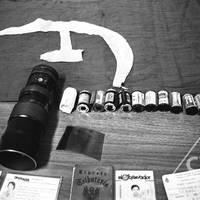
1983
Objects handed over by the Uchuraccay community members
 1983
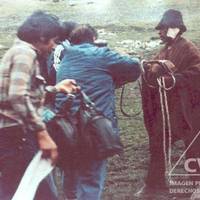
1983
Meeting of eight journalists with a peasant from Uchuraccay
 1983
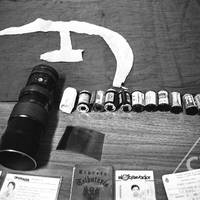
1983
Objects handed over by the Uchuraccay community members
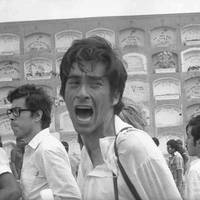 1983
1983
Expressions of grief and outrage during the funerals of the journalists killed at Uchuraccay
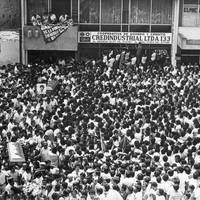 1983
1983
Funeral procession of the journalists murdered at Uchuraccay
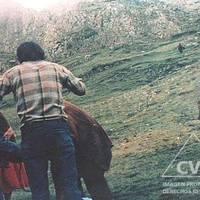 1983
1983
In Uchuraccay, Jorge Sedano on his knees and Félix Gavilano with hands raised
Documents 30
Uchuraccay Massacre: The Story of the Guide Who Died with the Eight Journalists
The eight journalists, martyrs of Uchuraccay, murdered on January 26, 1983, have always been justly honored; but what happened to their guide, Juan Argumedo, and to a community member, Severino …
They Live in the Hearts of Those Who Loved Them
On January 26, 1983, eight journalists were killed in a frigid community on the Ayacuchan highlands. The whirlwind of violence then spreading across Peru suddenly engulfed those who had traveled …
Uchuraccay, 30 Years Later: The Same Shadows
Thirty years ago (January 26, 1983), eight journalists went to Uchuraccay to try to find out what had happened a week earlier in Huaychau, and to determine whether the official …
Uchuraccay or the Silence of the Killers
The writer and journalist Alfredo Pita recalls that fateful day when he arrived in Uchuraccay immediately after the massacre, about which clear answers are still lacking due to what has …
Uchuraccay, Vargas Llosa's Nightmare
It has been a long time since Mario Vargas Llosa has referred to Uchuraccay, that horrific episode in the history of Peru that, on January 26, 1983, cost the lives …
Mario Vargas Llosa: The Coverup Artist of the Uchuraccay Massacre
On January 26, 1983, eight journalists and an Andean guide were brutally massacred by peasants from the community of Uchuraccay (Ayacucho) who had been trained and directed by the Peruvian …
What Did Vargas Llosa Write About Uchuraccay?
Vargas Llosa bade farewell to Uchuraccay forever and never referred to the subject again, not even, as we recall, in his memoirs titled "El Pez en el Agua," perhaps because, …
Comparative Analysis of News Coverage in the Newspapers El Comercio, La República, and El Diario Marka in the Uchuraccay Case
The following research captures each of the events that left us with reflection and above all a lesson about what it means to carry out journalistic work. Here, details of …
The Press and Journalists in Prison in the Period 1990-2000
The report of the Truth and Reconciliation Commission shows us the twenty years of violence (1980–2000) that Peru lived through, during which the human rights of nearly seventy thousand Peruvians …
Where Are the Killers of Jaime Ayala?
After twenty-two long years of legal maneuvering and even the alleged kidnapping of the main defendant, Army Captain Álvaro Artaza Adrianzén, alias "Comandante Camión," the forced disappearance of journalist Jaime …
Never So Close Did the Distant Strike. Memory and Political Violence in Peru
This work explores the scenario of violence and the ways in which the memory of Uchuraccay operates — a community that, after the massacre, became an emblematic reference point for …
Uchuraccay: The Politics of Death in Peru
The events of Uchuraccay — which include the deaths of 135 peasants — allow us to approach the divides that continue to distort Peruvian society. We suggest that the quasi-sacred …
Uchuraccay or The Face of Barbarism. First Edition
The author states in this work: In 1989 I submitted this book (when it was 1,000 pages, 2 volumes) to CONCYTEC, which did not approve it, as that honor had …
Postcolonial Memory. Time, Space, and Discourse on the Events of Uchuraccay
Today we are at the moment of historicizing the era of violence in Peru. But this does not mean placing events and memories in the past in order to forget …
Another Clue to Understanding What Happened in Uchuraccay
On January 23, 1983, General Noel, then the political-military commander of the Ayacucho zone, announced to the press that the villagers of Huaychao had killed seven Senderistas. To find out …
Vargas Llosa Exploited Our Pain
17 years later, the wounds of Uchuraccay are still open. Widows and mothers of the journalists murdered in Ayacucho are outraged when they recall the injustice that the writer covered …
High Risk. 13 Years Since the Uchuraccay Massacre and 22 Unresolved Cases
On January 26, thirteen years ago, the community of Iquicha, in the jurisdiction of Uchuraccay, was the scene of the massacre of eight journalists who, in their eagerness to document …
Return of Colina - Opinion Column
The dynamite attack against the local affiliate of channel 13 in Puno has been presented as a local dispute among regional power groups. But it seems more likely to be …
Uchuraccay. Testimony of a Massacre
Before January 26, 1983, no one knew where Uchuraccay was — a locality in the province of Huanta, department of Ayacucho. After that date, it was discovered that it "existed," …
Death of Eight Journalists in Uchuraccay Confirmed
Front page of El Comercio. Monday, January 31, 1983. Other headlines: Due to a misunderstanding, comuneros confused them with terrorists.
Journalists' Remains Were Buried in Separate Ceremonies
Wednesday, February 2, 1983. Other headlines: Relatives did not allow the coffins to be used for political ends. Cardinal calls for an investigation into the Uchuraccai massacre. Condolence messages continue …
Government Named Commission to Investigate Massacre
Front page of El Comercio. Thursday, February 3, 1983.
Vargas Llosa Defends His Report on the Murder of Eight Journalists in Ayacucho
Mario Vargas Llosa, president of the independent commission that investigated the murders of eight journalists in Ayacucho, believes that the recently discovered photographs confirm the commission's conclusions that the reporters …
Report on Uchuraccay
In the following pages OIGA offers its readers the complete report of the Investigative Commission on the Uchuraccay massacre. Aware of the historical value of this document, we have not …
Report of the Investigative Commission on the Events of Uchuraccay
During the following months, Uchuraccay continued to be the scene of violence, death, and desolation: one hundred and thirty-five community members were killed as a result of attacks by the …
Perpetrators of the Massacre Were Transferred to Ayacucho
Front page of El Comercio. February 2, 1983. Other headlines: Among them the Lieutenant Governor and several women. Lima gives a massive farewell to the murdered journalists. Relatives, upset at …