Truth and Reconciliation Commission - Peru

Complete database of events related to the internal armed conflict in Peru, extracted from the Final Report of the Truth and Reconciliation Commission (CVR). 5,159 events documented from 1817 to 2003.

Years All years
1817 2003
Tag asháninkas × Browse all tags
  1. Interviews with representatives of ARPI and CEA

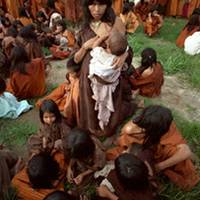
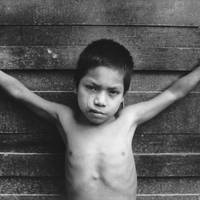
    Between January 15 and 25, 2003, interviews were conducted with representatives of the Regional Association of Indigenous Peoples of the Central Jungle (ARPI) and the Asháninka Emergency Commission (CEA) in the city of Satipo. These interviews were part of the TRC's fieldwork to document the effects of the internal armed …

    Satipo, Perú Informe CVR, página 242
  2. Discrimination and Stigmatization of Ayacuchanos and Ashaninkas

    In December 2002, testimonies were collected highlighting the discrimination and stigmatization faced by individuals from Ayacucho and Ashaninka communities in Peru. These groups suffered from societal prejudice due to their ethnic and regional origins, leading to marginalization and a negative impact on their self-esteem and identity. The testimonies also revealed …

    Ayacucho, Peru CVR BDI-SM-P193, BDI-II-P713; BDI-SM P215, BDI-II-P872
  3. Second visit to the Asháninka zone

    The Truth and Reconciliation Commission made its second visit to the Asháninka area of the Central Jungle between October 10 and 29, 2002. This was part of a total of four visits made on three separate dates to interview villagers and authorities of the Asháninka communities. The objective was to …

    Selva Central, Perú Informe CVR, página 242
  4. Reconciliation Workshops in Peru

    In October 2002, various workshops were held in Peru focusing on reconciliation and justice. Indigenous communities, such as the Asháninka, advocated for the recognition and coordination of their traditional justice systems with the national legal framework. Additionally, discussions emphasized the need for police reform to enhance community service and accountability.

    Satipo, Junín and Puno, Peru CVR. BDI-II-P2, BDI-II-P10, BDI-II-P17, BDI-II-P18, BDI-II-P19; Talleres con Comunidades de Base y Seminarios sobre la Reconciliación, Satipo (Junín), Lima, Huamanga y Puno, septiembre-octubre 2002
  5. First visit to Asháninka area

    In order to interview residents and authorities of the Asháninka communities and discuss with them the results of the reports, four visits were made to the area on three separate dates. The first visit was carried out from September 16 to 29, 2002. The study focused on the areas that …

    Selva Central, Perú Informe CVR, página 242
  6. Asháninka Communities' Fear of PCP-SL Resurgence

    In September 2002, communities in regions such as Pucallpa, Ucayali, and Satipo, Junín, expressed fear over the potential resurgence of the PCP-SL (Shining Path) insurgent group. The Asháninka people, who had previously suffered from massacres and mass abductions, felt unprotected and feared a return to violence. These fears were exacerbated …

    Pucallpa, Ucayali; Huánuco; Boca Potzoteni, San Martín de Pangoa, Satipo, Junín; Villa Esmeralda, Satipo, Junín CVR. BDI-SM-P106, BDI-II-P804. Testimonio 302453
  7. Impact of Violence on Asháninka Communities

    The Asháninka communities in Peru have experienced significant disruption due to violence, leading to a loss of familial ties and low levels of organization. This has hindered development projects and created distrust and fear among community members. Efforts towards reconciliation are challenged by differing memories and explanations of the violence, …

    Asháninka Communities, Peru CVR, Estudios en Profundidad. Asháninkas (2002)
  8. Persecution of the Asháninka by Sendero Luminoso

    During the internal conflict in Peru, the Asháninka people faced severe persecution from the militant group Sendero Luminoso (Shining Path). The group viewed the Asháninka as obstacles to their revolutionary goals, leading to acts of violence and attempts to erase their cultural identity. The Asháninka were subjected to forced displacement, …

    Selva Central, Peru p. 700
  9. PCP-SL's Coercion of Asháninka Communities

    The PCP-SL (Shining Path) used fear and intimidation to control Asháninka communities in Peru. They threatened the Asháninka with punishment, torture, and death for non-compliance or dissent. The group spread distrust within communities and families, and manipulated the Asháninka into fearing the military, further isolating them.

    Chichireni, Pangoa District, Peru
  10. Asháninka Resistance to PCP-SL in the Ene Valley

    In the early 2000s, the Asháninka people in the Ene Valley faced pressure from the PCP-SL (Shining Path) who sought to militarize their communities. Despite the threats, some Asháninkas resisted the PCP-SL's influence, recalling reports of violence in Ayacucho and distrusting the promises made by the group. Many Asháninkas chose …

    Ene Valley, Peru p. 678
  11. Francis Deng's visit to Asháninka area

    In 1995, the United Nations Commissioner for Refugees, Francis Deng, visited the Asháninka area in the central jungle of Peru. The purpose of his visit was to raise international awareness of the grave humanitarian situation faced by the Asháninka people as a result of the internal armed conflict. This visit …

    Selva Central, Perú - zona Asháninka Informe CVR (página no especificada en el fragmento)
  12. Report on disappearance of Asháninka communities

    In 1995, the United Nations Commissioner for Refugees, Francis Deng, visited the Asháninka area to report on their situation. That same year, the National Human Rights Coordinator published a report on the disappearance of Asháninka communities. During the internal armed conflict, out of 55,000 Asháninka, nearly 10,000 were forcibly displaced …

    Valles del Ene, Tambo y Perené, Selva Central, Perú Informe CVR
  13. PCP-SL Presence and Impact in the Ene Region

    In 1995, the PCP-SL (Shining Path) retreated towards the Ene region in Peru, leading to a temporary sense of tranquility in the area. However, the threat of PCP-SL persisted, prompting local communities to continue vigilance. The region, historically inhabited by the Asháninka and Nomatsiguenga peoples, faced significant challenges due to …

    Ene Region, Peru p. 263
  14. Ronda de Puerto Ocopa seeks independence from the Colonist Command

    In 1995, the Puerto Ocopa patrol or Self-Defense Committee, which had been created on its own initiative in 1991, sought independence from the colonist patrol command led by Natalio Sánchez. Until then, this Asháninka round had been under the direct dependence of the Army and the colonist patrols, which caused …

    Río Ene, Puerto Ocopa, Satipo, Junín, Perú Informe CVR, página 259
    1 media
  15. Conflict and Displacement of the Asháninka Communities

    In 1995, the United Nations High Commissioner for Refugees, Francis Deng, visited the Selva Central region of Peru to highlight the situation of the Asháninka communities. The Coordinadora Nacional de Derechos Humanos published a report on the disappearance of these communities, which were significantly affected by the internal armed conflict. …

    Selva Central, Peru Página 241
  16. Return of the Asháninka Communities

    The return of the displaced Asháninka communities was not uniform, with each community following a different pattern. The lack of a government plan to facilitate this process led to various strategies, with gradual and community-led returns proving most successful. The return process was fraught with challenges, including the destruction of …

    Tambo, Peru página 271
  17. The Great Asháninka March

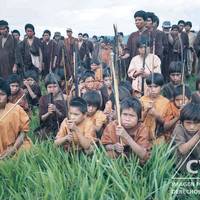
    The Great Asháninka March marked the official beginning of the return process for families displaced by violence in the Selva Central region of Peru. Initiated by the government and the Armed Forces, the campaign aimed to resettle over 500 individuals back to their original communities. However, the full return of …

    Selva Central, Peru p. 706
  18. Official start of the return process of Asháninka communities in Río Tambo

    On September 17, 1994, the process of returning the Asháninka communities to their places of origin in the district of Río Tambo officially began as part of a campaign promoted by the government to generate a psychosocial impact on the Peruvian population. The media called this event 'the great Asháninka …

    Río Tambo, Satipo, Junín, Perú Informe CVR, página 3251
    2 docs
  19. Massacre of captive natives in Quenteroni by the PCP-SL

    Between June and July 1994, the PCP-SL murdered around 70 natives it held captive in Quenteroni, located in the upper zone of the native community of Samaniato, in the Ene River basin. This event occurred in the context of the absolute control that the PCP-SL had achieved over the Ene …

    Quenteroni (zona alta de la comunidad nativa de Samaniato, río Ene), Satipo, Junín, Perú Informe CVR, pág. 154
  20. Reactivation of CART and VII Congress

    In 1994, CART (Central Asháninka del Río Tambo) was reactivated after years of violence in the Central Jungle. This indigenous organization managed to reorganize and held its VII Congress that year. The reactivation of CART was part of a broader process of restructuring of indigenous organizations that began to function …

    Selva Central, Perú Informe CVR
  21. Massacre of Asháninka People

    On August 11, 1993, 54 Asháninka natives were brutally murdered with machetes in the region of Junín, Satipo. This event is part of a series of violent acts against indigenous communities during the internal conflict in Peru. The Asháninka people have been targeted due to their resistance against subversive groups.

    Junín, Satipo
  22. Confrontation between Ashaninka Ronderos and Subversives

    On 30 September 1993, the Central de Comunidades Nativas de la Selva Central (CECONSEC) addressed the Dirección Contra el Terrorismo (DINCOTE) in Chanchamayo, Peru, requesting the release of 14 Ashaninka ronderos. These individuals were reportedly involved in a confrontation with subversives who had been committing crimes in native communities. The …

    San Fernando de Meritori, Peru página 673
  23. Government denounces Tsiriari massacre to the United Nations

    On September 20, 1993, the Peruvian government denounced to the UN the massacre committed by the PCP-SL in the Tsiriari valley. This denunciation was made two days after the news of the massacre, which occurred on August 18, 1993, was disseminated by several media outlets. The Congress of the Republic …

    Valle de Tsiriari, Perú Informe CVR, páginas 265-266
  24. Attack on Colonos in Pichanaki

    On September 11, 1993, a group of armed Ashaninka natives attacked the Anexo Delta in Pichanaki, resulting in the deaths of 10 settlers and injuries to two others. The attack was reportedly motivated by accusations that the victims refused to join the local peasant patrols. The incident was later reported …

    Anexo Delta, Pichanaki, La Merced, Junín, Peru
  25. Massacre in Pichanaki Delta annex - Ashaninka rangers kill ten settlers

    On September 11, 1993, a group of Ashaninka ronderos entered the Delta de Pichanaki annex and killed ten settlers, leaving two others wounded because they did not want to organize themselves into counter-subversive patrols. This event illustrates the human rights violations committed by the native patrols in their attempt to …

    Delta, Pichanaki, Junín, Perú Informe CVR, páginas 653-684
  26. Discovery of graves with remains of Ashaninka people

    Numerous mass graves with the remains of hundreds of Ashaninka natives murdered by the PCP-SL were found in the Ene Valley, province of Satipo, Junin, by a commission formed by the provincial prosecutor Florencia Grandes, EP commander Antonio Venegas (political-military chief of the Central Jungle Security Subzone), among other members.

    Valle del Ene, Satipo, Junín, Perú Informe CVR, página 4922
    1 media 6 docs
  27. Massacre in the Tsiriari Valley

    On August 18, 1993, a group of 150 to 300 individuals, including Asháninka natives, entered eight communities in the Tsiriari Valley, killing 72 residents, including 16 minors, and injuring 10 others. Initially attributed to the Sendero Luminoso, these crimes were later linked to an officer from the Contrasubversive Base No. …

    Valle del Tsiriari, Distrito de Mazamari, Provincia de Satipo, Peru 235
  28. Massacre in Tsiriari valley

    On August 18, 1993, three groups of alleged hikers, between one hundred and three hundred men, women and children, settlers and natives, entered seven communities in the Tsiriari valley. The communities attacked were Monterrico, San Isidro, Sol de Oro, Union Cubaro, San Francisco de Cubaro and Santa Isabel (colonists) and …

    Valle de Tsiriari, Mazamari, Satipo, Junín, Perú Informe CVR, páginas 240-241
  29. Asháninka massacre in Tsiriari

    Members of the PCP-SL murdered 65 inhabitants of the Tsiriari valley in Mazamari, Junín, in retaliation for the formation of Self-Defense Committees. Although it was known as an Asháninka massacre, of the total number of victims, 21 were Nomatsiguenga natives and the rest were settlers. This is one of the …

    Valle de Tsiriari, Mazamari, Junín, Perú Informe CVR, página 4923
    3 media
  30. Massacre in communities of the Tsiriari Valley, Mazamari

    Between 150 and 300 people, accompanied by Asháninka natives, entered eight communities in the Tsiriari Valley, killing 72 villagers with bladed weapons, including 16 minors. They left 10 wounded, 8 of them minors. Rape and looting were committed. Initially attributed to Sendero Luminoso, it was later denounced the participation of …

    Valle del Tsiriari, Junín, Perú Informe CVR, páginas 4015-4028
  31. Slaughter in eight communities in the Tsiriari valley

    On August 18, 1993, three Shining Path columns, each composed of approximately 70 settlers and natives, entered eight communities in the Tsiriari valley (six colonists and two Asháninka). The massacre began around 4:00 p.m. in the Nomatsiguenga Tahuantinsuyo community, where twenty-one people were killed, including children, men and women. The …

    Valle de Tsiriari, distrito de Mazamari, Perú Informe CVR, páginas 264-270
    2 media
  32. Massacre in the Valle del Tsiriari

    On August 18, 1993, a group of 150 to 300 unknown individuals, including natives, attacked several communities in the Tsiriari Valley. They killed 72 people, including 16 minors, and left 9 injured. The attack, characterized by extreme cruelty, was reportedly a retaliatory act by Sendero Luminoso against the Asháninkas who …

    Valle del Tsiriari, Mazamari District, Satipo Province, Junín Department, Peru página 821
  33. Escape from the Wacapú and Vista Alegre Popular Committees of Otica

    In February 1993, the commanders of the 'Wacapu' and 'Vista Alegre' base committees in Otica, named Maximo and Javier, coordinated the escape of both groups from Shining Path control. The escape took place on a Sunday morning at 3 o'clock in the morning. During the escape, Javier found his brother …

    Otica, Satipo, Junín, Perú Informe CVR, páginas 257-258
  34. Slaughter in Tahuantinsuyo

    The native community of Tahuantinsuyo, located in the district of Mazamari in the Central Jungle, was the victim of a massacre in 1993 during the internal armed conflict. This community was selected as a case study by the CVR Report along with Cushiviani to document the effects of violence on …

    Tahuantinsuyo, distrito de Mazamari, Selva Central, Junín, Perú Informe CVR, páginas 242-260
  35. Increase of Asháninkas rescued from PCP-SL

    Between 1993 and 1995, the number of Asháninkas rescued from the PCP-SL grew significantly as a result of the intensification of the counter-subversive struggle. Joint operations between the Army and the ronderos in the Tambo and Ene river valleys made it possible to free thousands of Asháninkas who had been …

    Selva Central, Perú (valles de los ríos Tambo y Ene, provincia de Satipo) Informe CVR (páginas 242-260)
  36. Abuses Against the Asháninka People in Peru

    The Asháninka people, an indigenous group in the Selva Central region of the Peruvian Amazon, suffered severe human rights abuses during the internal conflict involving the PCP-SL. These abuses included forced displacement, murder, enslavement, and other inhumane conditions. The actions against the Asháninka violated fundamental human rights and international humanitarian …

    Selva Central, Amazonia, Peru página 657
  37. Increased escape attempts by Asháninkas from the Popular Committees of PCP-SL

    Between 1992 and 1993, the number of Asháninkas who attempted or succeeded in fleeing the Popular Committees controlled by the PCP-SL increased significantly. The Asháninkas rejected the living conditions in these committees, which functioned as concentration camps with forced labor, strict schedules, rigorous rules of conduct and loss of individual …

    Selva Central, Perú (ríos Ene y Tambo, provincia de Satipo) Informe CVR, páginas 257-258
  38. Clashes between PCP-SL and Asháninka rondas in the Central Jungle

    During 1991 and 1992 there were strong and continuous confrontations between the PCP-SL and the rondas or Asháninka self-defense committees in the Central Jungle. The year 1991 was the turning point in the Shining Path offensive in the region, when the Armed Forces together with the organized Asháninka population initiated …

    Selva Central, ríos Tambo y Ene, provincias de Satipo y Chanchamayo, departamento de Junín, Perú Informe CVR (páginas 242-261)
    1 docs
  39. Forced Displacement of the Asháninka Community of Cutivireni

    In September 1991, a group of 169 Asháninkas from the community of Cutivireni were forcibly displaced due to repeated attacks by the Shining Path (PCP-SL). With the assistance of Father Mariano Gagnon, they were airlifted to the Urubamba Valley, where they found refuge with the Matsiguenga community of Kiriketi. This …

    Cutivireni, Ene Valley, Peru Páginas 249-250
  40. Air transfer of Asháninkas from Cutivireni to the Urubamba Valley.

    After suffering multiple PCP-SL attacks since 1988, including raids, looting, kidnappings of youths and assassinations of opponents, the Cutivireni Asháninkas who had not joined the subversive group fled to the bush, to a high part of the valley called Tzibokiroato. In September 1991, a group of 169 Cutivireni Asháninka were …

    Cutivireni a valle del Urubamba, Perú Informe CVR, páginas 250-251
  41. Installation of military base in Cutivireni

    In September 1991, a group of 169 Asháninkas from Cutivireni were transferred by air to the Urubamba valley with the support of the Franciscan priest Mariano Gagnon, after suffering multiple attacks by the PCP-SL. In 1991, the Peruvian Army installed a military base in Cutivireni. Along with the installation of …

    Cutivireni, Satipo, Junín, Perú Informe CVR, páginas 250-251
  42. Entrance from Sinchis to Gloriabamba

    On May 14, 1991, the Sinchis (special forces of the Peruvian police) entered the community of Gloriabamba, located half an hour from Puerto Ocopa. This operation was led by three teachers who collaborated with the police. The Sinchis' entry was preceded by bombings, which alerted the population of the neighboring …

    Gloriabamba, distrito de Puerto Ocopa, provincia de Satipo, departamento de Junín, Perú Informe CVR, página 251
    1 docs
  43. Army enters Satipo and organizes peasant patrols

    At the end of 1991, the Army entered the province of Satipo and compulsively organized the population into urban and peasant patrols. The native patrols, which had been confronting the PCP-SL on their own initiative, received support from the army. In 1991, the Ashaninka of the Ene and Tambo rivers …

    Satipo, Junín, Perú Informe CVR, pág. 150
    1 media
  44. Clashes between PCP-SL and Rondas Asháninka in Central Jungle

    During 1991 and 1992 there were strong and continuous confrontations between the PCP-SL and the Rondas or Asháninka Self-Defense Committees in the Central Jungle. The year 1991 was the turning point in the Shining Path offensive in the region, when the Armed Forces together with the organized Asháninka population initiated …

    Selva Central, ríos Tambo y Ene, provincias de Satipo y Chanchamayo, Junín, Perú Informe CVR, páginas 242-260
    3 media
  45. Installation of counter-subversive base in Cutivireni

    In 1991, the Peruvian Army installed a counter-subversive base in Cutivireni, located in the district of Rio Tambo. This installation was part of a broader military strategy in which the Army established bases in strategic areas of the central jungle to combat the Shining Path PCP. The base was established …

    Cutivireni, distrito de Río Tambo, Perú Informe CVR, página 142
  46. Calculation of Asháninkas under control of PCP-SL

    By 1991, specialists and institutions estimated that out of 55,000 Asháninkas in the Central Jungle, about 10,000 were forcibly displaced in the Ene, Tambo and Perené valleys. It is estimated that 6,000 people died during the conflict and about 5,000 people were held captive under the control of the PCP-SL. …

    Selva Central, Perú (valles del Ene, Tambo y Perené) Informe CVR, páginas 242-259

Showing 1–50 of 126 events

Photos & Videos 10

Documents 13

PDF
Ashaninka Residents of Pangoa Report Mass Grave with More Than 30 Victims

HUACASI, Wilber

La Republica · 2014

Survivors informed members of the Ministerio Público forensic team that four clandestine burials correspond to the native community of Matzuriniari, where, they say, "comrade Feliciano" was based. Meanwhile, residents of …

asháninkas satipo pangoa sendero luminoso fosas comunes
PDF
Remains of an Asháninka Woman Victim of Shining Path Exhumed

HUACASI, Wilber

La Republica · 2014

The Equipo Forense Especializado (EFE) visited Mapotoa and Yaynapango for a second time, on this occasion to carry out excavation work and the exhumation of the remains of Maribel María …

asháninkas satipo sendero luminoso fosas comunes equipo forense
PDF
Disappeared Asháninkas

SILVA SANTISTEBAN, Rocío

La Republica · 2014

Ignorance and disinformation are the foundations upon which a certain sector of Fujimorismo seeks to discredit the CVR, claiming it did not specifically report the mass grave apparently found in …

cvr desaparecidos asháninkas satipo sendero luminoso
PDF
FUJIMORI BEHAVED LIKE A HEROD

CRÓNICA VIVA

CRÓNICA VIVA · 2008

It is the outcry of the women sterilized in the Asháninka native community, decimated by "family planning."

fujimori mujeres asháninkas genocidio esterilizaciones forzadas
PDF
Post-War Realities in Peru: Omissions, Denials and Their Consequences

Reátegui, Félix (Coordinador)

Lima. PUCP. IDEHPUCP, 2007, 62 pp. · 2007

In this working document, the Instituto de Democracia y Derechos Humanos de la Pontificia Universidad Católica del Perú (IDEHPUCP) proposes a discussion on the relevance of the concept of postwar …

terrorismo conflicto armado fuerzas armadas universidades asháninkas
PDF
Between Play and War. Psychological and Sociocultural Resources of Asháninka Children in the Face of Political Violence

Villapolo, Leslie; Vásquez, Norma

Lima. Centro Amazónico de Antropología y Aplicación Práctica, 1999, 155 pp · 1999

This text is situated within the singularly dramatic framework of political violence, which having erupted in the 1980s extended into the early 1990s. Specifically, it grows from the work experience …

terrorismo conflicto armado fuerzas armadas asháninkas niñas