Takeover of the newspaper El Nacional
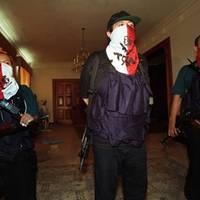
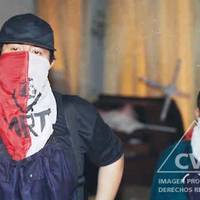
A commando led by Néstor Cerpa Cartolini took over the newspaper El Nacional. This was one of the common practices of the MRTA to intensively use the mass media.
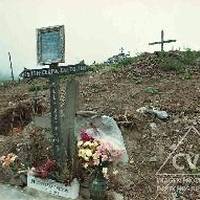
A commando led by Néstor Cerpa Cartolini took over the newspaper El Nacional. This was one of the common practices of the MRTA to intensively use the mass media.
On December 9, 1986, the Movimiento de Izquierda Revolucionaria - Voz Rebelde (MIR-VR) and the Movimiento Revolucionario Túpac Amaru (MRTA) formally merged. This merger gave rise to a new National Directorate composed of three leaders from each organization. For the MRTA there were Víctor Polay Campos, Néstor Cerpa Cartolini and …
In 1987 an army of MRTA subversives was formed in San Martin. Both forces (political and military) united in the Pongo de Caynarachi-Shanusi area, where they trained militarily and politically during the months of July, August and September 1987. The training was led by Víctor Polay Campos (c) Rolando, Néstor …
On October 8, 1987, the MRTA began the 'Tupac Amaru Vive' Military Campaign, commanded by Victor Polay Campos (c) Rolando, Nestor Cerpa (c) Evaristo and Miguel Rincon (c) Francisco. The campaign began with the raid on the villages of Tabalosos and Macedas. This date was chosen to commemorate the 20th …
The seizure of Juanjuí began on Friday, November 6, 1987 at 2:30 a.m. when a group of emerretistas captured the 'Love of the Mountain' truck to transport the Tupacamarista Army to Juanjuí without being discovered. Between 70 and 100 MRTA subversives took the town at 5:45 a.m., almost without resistance, …
On November 7, 1987, MRTA troops reached San José de Sisa without firing a single shot. This action was part of the 'Tupac Amaru Vive' Military Campaign, commanded by Víctor Polay Campos (c) Rolando, Néstor Cerpa (c) Evaristo and Miguel Rincón (c) Francisco. The seizure of San José de Sisa …
On November 9, 1987, the MRTA raided the town of Senami as part of the 'Tupac Amaru Vive' Military Campaign. This action was part of a series of raids and takeovers of villages that the MRTA carried out in San Martin during October, November and December 1987. The military campaign …
The seizure of Chazuta was part of the 'Tupac Amaru Vive' Military Campaign initiated on October 8, 1987 by the MRTA, commanded by Víctor Polay Campos (c) Rolando, Néstor Cerpa (c) Evaristo and Miguel Rincón (c) Francisco. This action took place on November 19, 1987 as part of a series …
The seizure of Shanao was part of the MRTA's 'Tupac Amaru Vive' Military Campaign, commanded by Víctor Polay Campos (c) Rolando, Néstor Cerpa (c) Evaristo and Miguel Rincón (c) Francisco. This action took place on December 11, 1987 as part of a series of raids and takeovers of villages in …
On December 16, 1987, the MRTA raided the village of Yorongos as part of the 'Tupac Amaru Vive' Military Campaign. This action was part of a series of raids and takeovers of villages that the Tupac Amaru Army (ET) of the Northeastern Front carried out between October and December 1987 …
On February 7, 1988, a public notice appeared with the title "Security is everyone's task" that presented photographs and physical characteristics of six leaders of subversive organizations. The ad includes images of Abimael Guzmán Reinoso (leader of the PCP-SL), Julio César Mezzich, Osmán Morote Barrionuevo (number two of the PCP-SL), …
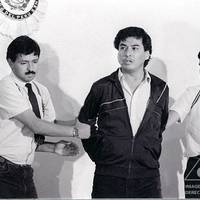
On February 3, 1989, Victor Polay, the Secretary General of the MRTA, was captured in the city of Huancayo. This event significantly weakened the leadership of the MRTA, as several key figures, including Polay, were detained. The capture led to Néstor Cerpa Cartolini assuming leadership of the organization.
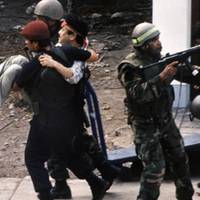
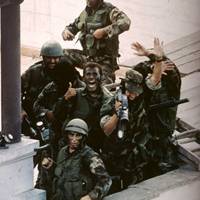
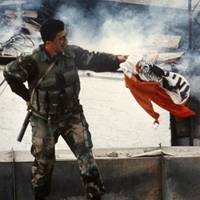
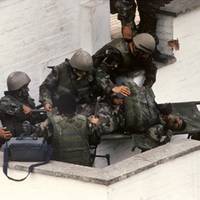
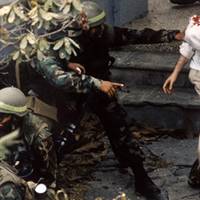
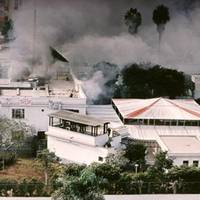
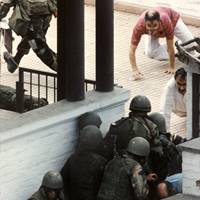
Assault on the Japanese ambassador's residence in Lima by an MRTA commando led by its top leader Néstor Cerpa, who held 72 hostages captive. The assault ended with the rescue operation Chavín de Huántar. The government used the celebrations for the successful release of the hostages to legitimize itself after …
In February 1997, negotiations began between the Peruvian government, represented by Domingo Palermo Cabrejos, and the MRTA, represented by Roly Rojas, with the presence of the Commission of Guarantors. By the end of the month, eight meetings had taken place, with Néstor Cerpa Cartolini participating in some. These discussions were …
In March 1997, the MRTA hostage crisis in Lima, Peru, reached a critical point as Néstor Cerpa Cartolini rejected asylum options and demanded the release of his comrades. Japanese Vice President Masahiko Komura visited Lima to urge President Alberto Fujimori to expedite a peaceful resolution. The crisis, marked by stalled …
Showing 1–15 of 15 events
 1999
1999
 1998
1998
 1997
1997
 1997
1997
 1997
1997
 1997
1997
 1997
1997
 1997
1997
 1997
1997
 1997
1997
1997
1997
 1997
1997
 1997
1997
 1997
1997
 1997
1997
 1996
1996
 1996
1996
 1996
1996
 1995
1995
 1989
1989
 1979
1979
Showing 1–22 of 22 items