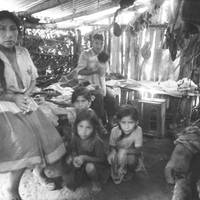
San Francisco
Place

San Francisco

Timeline Events 14

  1. State colonization of Pichari

    The state colonization of Pichari in the 1960s and the road from Tambo to the port of San Francisco, opened in 1964, accelerated the process of occupation of the valley by Ayacucho peasant settlers whose properties are larger than those available to peasant families in the highlands. The San Francisco …
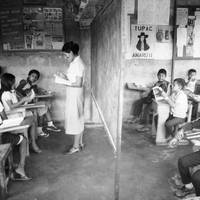
    Pichari, La Convención, Cuzco Informe CVR, página 86
  2. Opening of road to San Francisco

    The road from Tambo to the port of San Francisco was opened in 1964, accelerating the process of occupation of the valley by peasant settlers from Ayacucho. This road infrastructure allowed the important fair of Tambo, which was the end of the road, to 'drop off' towards the jungle as …

    Tambo a San Francisco, Ayacucho Informe CVR, página 86
  3. Construction of Ayacucho-Tambo-San Francisco highway

    The Ayacucho-Tambo-San Francisco highway was built in 1964, modifying the traditional transit routes in the region. Before its construction, Uchuraccay was an important transit route used by the villagers on their way to the Huanta valleys and the Apurímac jungle. This infrastructure project was part of the road integration process …

    Ayacucho-Tambo-San Francisco, Perú Informe CVR (página no especificada en el fragmento)
  4. Inauguration of the San Francisco Bridge

    The San Francisco bridge was inaugurated in 1971, becoming the main settlement in the Apurimac River Valley during the 1970s. The construction of the bridge significantly increased the occupation of the right bank of the river, territory of the department of Cuzco, where the Pichari settlement is located. This bridge …

    San Francisco, Valle del Río Apurímac, Ayacucho Informe CVR, página 86
  5. Birth of paramilitary gangs on the banks of the Apurimac river

    According to PCP-SL documents, the most numerous and most dangerous paramilitary bands emerged on both banks of the Apurimac River during July 1984, with most forming in January 1985. These gangs grew too rapidly due to the increased concentration of enemy troops in the area. The gangs were made up …

    Márgenes del río Apurímac Informe CVR, página 98
  6. Murder of peasant farmers in Huayrapata and others

    On July 2, 1984, members of the PCP-Sendero Luminoso broke into the towns of Huayrapata, San Antonio de Paterini, San Martin and Quillabamba, all located in the district of San Francisco, province of La Mar. The attackers killed forty peasants who had collaborated with the forces of law and order. …

    Huayrapata, San Antonio de Paterini, San Martín y Quillabamba, distrito de San Francisco, provincia de La Mar, Ayacucho, Perú Informe CVR, página 89
  7. Meeting at Quimbiri airport

    On November 10, 1984, the military gathered the entire population of San Francisco at the Quimbiri airport. On the second floor of an adjoining house was Major "Vic" with a hooded person, obviously a captured hiker. This event marked a significant moment in the military presence in the Apurimac River …

    Aeropuerto de Quimbiri, San Francisco, Valle del Río Apurímac Informe CVR, página 97
  8. Shining Path's retreat in the Apurimac River Valley

    By mid-1985, the Shining Path was in full retreat in the Apurimac River Valley and the Armed Forces together with the DECAS (Defensa Civil Contrasubversiva) had gained control of the valley. The Shining Path themselves recognized their defeat by the 'mesnadas' in the VRA, admitting that the unconsolidated support bases …

    Valle del Río Apurímac Informe CVR, páginas 97-102
  9. San Francisco Showdown

    On February 28, 1989, one of the most bloody confrontations between the Self-Defense Committees and the PCP-Sendero Luminoso took place in the community of San Francisco, province of Abancay, Apurimac. This confrontation resulted in the death of 30 ronderos (members of the Self-Defense Committees). The event occurred in the context …

    San Francisco, Abancay, Apurímac, Perú Informe CVR
  10. Organization of Self-Defense Committees in Apurimac

    On April 12, 1989, Self-Defense Committees began to be organized in the various provinces of the department of Apurimac. This organization was part of a new counter-subversive strategy implemented by the Armed and Police Forces between 1988 and 1989, a period that saw the highest death toll of the internal …

    Apurímac, Perú Informe CVR, página 264, 268
  11. Confrontation in Tambobamba

    On May 6, 1989, there was a confrontation between the Peruvian Army and the PCP-Sendero Luminoso in Tambobamba, capital of the province of Cotabambas in Apurimac. This confrontation took place in the context of a new counter-subversive strategy implemented by the Armed and Police Forces, which established Counter-Subversive Bases and …

    Tambobamba, Cotabambas, Apurímac, Perú Informe CVR, página 264
  12. Operation Falcon

    On August 9, 1989, a group of 200 ronderos left Santa Rosa for Tambo, La Mar, on the heights of the Huamanga-San Francisco highway, in an action called 'Operation Hawk'. The reason for this operation was to reorganize the patrols in the highland districts of La Mar province. The authorities …

    Santa Rosa a Tambo, La Mar, Ayacucho Informe CVR, página 100
  13. Massacre in San Francisco, Ayacucho

    In October 1989, a group of 30 to 40 men dressed as military personnel arrived in the Centro Poblado San Francisco in Ayacucho, Peru. They identified themselves as members of the PCP-SL, a guerrilla group, and proceeded to select local authorities, whom they tied up and executed in front of …

    Centro Poblado San Francisco, district of Ayna, province of La Mar, department of Ayacucho, Peru 34

Showing 1–14 of 14 events

Photos, Videos & Documents 2

Showing 1–2 of 2 items